








 |
| Gold V.1.3.1 signal Telegram Channel (English) |

U.S. Long-Term Treasury Yields Surge Amid Debt Concerns and Bond Vigilantes’ Pressure
2026-05-24 @ 13:02
Treasury Yields Spike as Fiscal Concerns Come to the Fore
In the past two weeks, long-term U.S. Treasury yields have surged sharply, with the 30-year yield breaching 5%—a mark last seen before the 2007 financial crisis. The 10-year yield has also firmly settled above 4.5%, signaling that investors are wrestling not just with inflation and Federal Reserve policy moves but increasingly with the nation’s ballooning fiscal deficits. Big banks like Bank of America and Merrill Lynch are raising the alarm that “bond vigilantes” are demanding higher returns to compensate for what they see as greater fiscal risk amidst soaring federal debt, now topping an eye-popping $36 trillion.
Supply and Demand Clash Intensifies Selloff
The heavy issuance of long-dated Treasuries, coupled with the Fed’s ongoing quantitative tightening, means more supply is hitting markets at the same time as traditional buyers like Japan and China pull back. Both countries face more attractive domestic yields and currency considerations, reducing their appetite for U.S. debt. This dynamic is pressuring prices most acutely at the long end of the curve, pushing yields even higher.
The Dollar’s Strength: Solid But Not Unassailable
U.S. yields have given the dollar a boost against lower-yielding peers such as the yen and euro, supported by wide rate differentials and delaying expectations for Fed rate cuts. Still, strategists caution that if markets start pricing in a “fiscal risk premium” instead of just policy divergence, dollar support could erode, especially if political battles over debt and deficits intensify domestically. In other words, owning dollars increasingly means betting on America’s fiscal health as much as on its monetary policy.
Stock Market Valuations Feeling the Squeeze
Higher real yields create a credible “risk-free” alternative at around 5%, pressuring valuations particularly for long-duration growth and tech stocks reliant on discounted future cash flows. Financial institutions are caught in the crossfire, facing margin compression and potential further markdowns on bond portfolios. Highly leveraged sectors like REITs and utilities face rising refinancing costs, while cyclical sectors sensitive to domestic demand may feel the pinch as tighter financial conditions increase borrowing expenses.
Real Economy and Credit: Cooling Signals
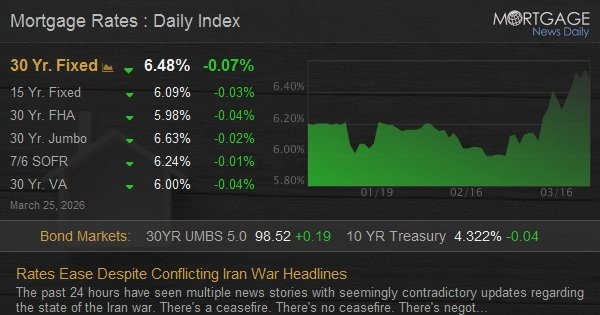
Mortgage rates remain elevated, discouraging homeowners locked in at low rates (~3%) from moving, which chills housing activity and related sectors. Corporate borrowing costs are climbing alongside Treasury yields, raising the hurdle rate for capital expenditures, mergers, and buybacks, possibly slowing job creation and wage growth over the medium term. The spike in federal interest payments—now approaching $900 billion annually, nearly the size of the defense budget—fuels fears of a “debt service spiral” that could crowd out future growth if yields remain elevated.
What to Watch Next
Market eyes are fixed on upcoming budget deficit updates, policy discussions from both parties on fiscal consolidation, and any signs of political brinkmanship over the debt ceiling or government funding. Inflation reports, energy prices, and Federal Reserve guidance will shape expectations for interest rates and consequently Treasury yields. Auction results and investor appetite for expanding issuance will also be crucial in determining future price stability at the long end of the curve. Financial stability indicators, especially bank capital and unrealized bond losses, bear monitoring to preempt another event like the 2023 regional banking turmoil.
Bottom Line
What’s unfolding is more than a cyclical hiccup driven by inflation or monetary policy; it marks a structural re-pricing of risk tied to America’s vast and growing fiscal obligations. For investors and policymakers alike, this raises critical questions about the sustainability of current debt levels and the longer-term implications for economic growth and financial markets. Watching how Congress moves on fiscal policy and how the Federal Reserve maneuvers in this high-yield environment will be vital in the months ahead.