





 |
| Gold V.1.3.1 signal Telegram Channel (English) |
Shipping Rates Surge 467% as Conflicts and Supply Chaos Upend Global Trade
2025-12-04 @ 14:00
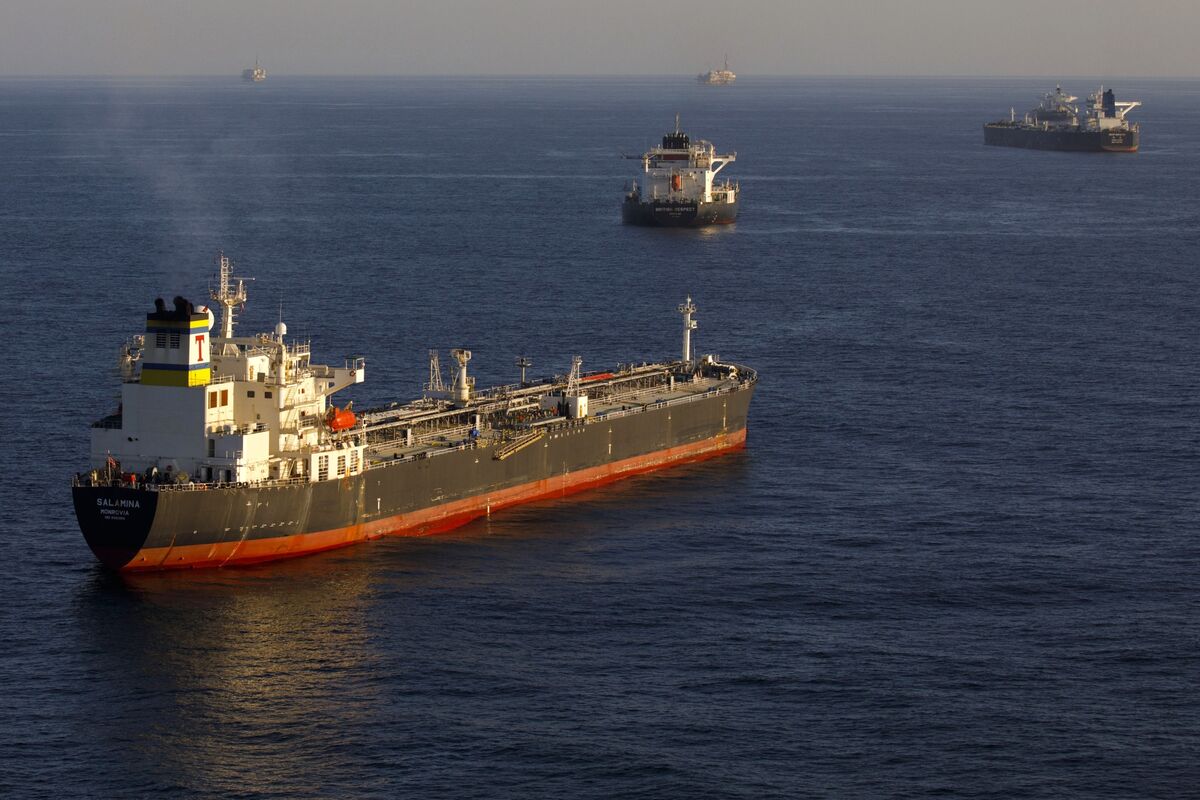
It’s the final stretch of 2025, and the global maritime shipping market is in turmoil. Shipping rates aren’t just climbing—they’re exploding upward by a staggering 467%, and this violent upheaval is fundamentally rewriting the economics of global commodity trade.
From energy products to bulk ores, virtually every commodity transported by sea is feeling the pressure. This isn’t random market noise. It’s the perfect storm: geopolitical conflicts intensifying, international economic sanctions expanding, and surging global output all colliding to reshape the supply chains we’ve grown accustomed to.
Why Is This Happening Right Now?
The latest data from the Drewry World Container Index tells the story. As of November 27, 2025, a 40-foot container costs $1,806 to ship—a 2% dip from the previous week, but don’t let that fool you. The year-to-date average sits at $2,773, which is 46% higher than the pre-pandemic baseline of $1,420 in 2019. While this is dramatically lower than the pandemic peak of $10,377 in September 2021, the underlying trend remains stubbornly strong.
What’s particularly revealing is that this rate surge has a different character than before. According to European Central Bank analysis, supply chain bottlenecks have been the persistent culprit driving up shipping costs. When global manufacturing activity rebounds sharply, demand for intermediate inputs explodes. Companies rush to import from Asia, container shipments spike, and suddenly you’ve got a logistics crunch.
But here’s where it gets worse. Asian ports are facing container shortages, forcing companies to pay premium rates just to secure empty containers for the return journey. Container schedules have become unreliable to historic lows, according to shipping intelligence data. Now add geopolitical tensions into the mix. Conflicts and sanctions are forcing vessels to avoid certain regions entirely, dramatically extending voyage distances. A route that used to be straightforward now requires thousands of extra miles of detours. The math is simple: longer routes equal higher fuel costs and steeper freight charges.
The Cost-Passing Chain Reaction
Here’s what keeps economists up at night. Importers don’t absorb these shipping costs—they pass them downstream to retailers and, ultimately, consumers. The European Central Bank’s structural vector autoregressive model demonstrates a direct transmission mechanism from elevated shipping costs to retail price inflation. Translation: those price increases you’re seeing at checkout counters? Part of that stems directly from these ballooning freight charges.
The regional data is telling. Shanghai to Rotterdam dropped 7%, falling $156 to $2,046. Shanghai to Genoa eased 4%, down $123 to $2,766. But look at the countertrends: Shanghai to Los Angeles jumped 5% to $2,713, while Shanghai to New York surged 4% to $3,646. These aren’t random fluctuations—they reflect shifting trade patterns driven by geopolitical risk.
What Comes Next?
Drewry expects somewhat less volatile pricing ahead as carriers reorganize capacity in response to declining cargo bookings from China. But don’t mistake stability for resolution. The European Central Bank’s analysis suggests that while supply chain bottlenecks may delay global recovery, they shouldn’t derail it entirely. As supply adapts to demand and as consumers rebalance spending patterns, some easing is expected. But that doesn’t happen overnight.
For import-export businesses, this is a wake-up call that demands action. Locking in long-term freight contracts, optimizing inventory management, reassessing sourcing strategies—these aren’t optional anymore. They’re critical survival moves in a fundamentally reordered global shipping landscape.
The 467% freight rate surge isn’t just about transportation costs climbing. It’s a window into the larger structural shifts reshaping global commerce. Geopolitical fragmentation, supply chain regionalization, and persistent logistical frictions are the new reality. Companies and consumers better buckle up. This ride isn’t smoothing out anytime soon.