









 |
| Gold V.1.3.1 signal Telegram Channel (English) |

Fed Raises Inflation Forecast as Iran-Driven Oil Surge Rewrites Market Risks
2026-03-19 @ 09:01
Why the Fed had to lift its inflation call: an Iran shock that pushes oil and policy expectations
The Federal Reserve recently raised its 2026 core PCE inflation forecast, pointing squarely at higher global energy prices driven by conflict in the Middle East. In plain terms: oil jumped again, supply-route risks and higher risk premia pushed inflation pressure back onto the table, and policymakers took note.
This is not just macro shorthand; the move shows up in company margins, consumer budgets and market positioning. Brent crude topped about $95 a barrel on March 18 and WTI rose roughly 8% week-on-week to near $92 per barrel, rewarding energy producers while squeezing downstream sectors like airlines and manufacturing.
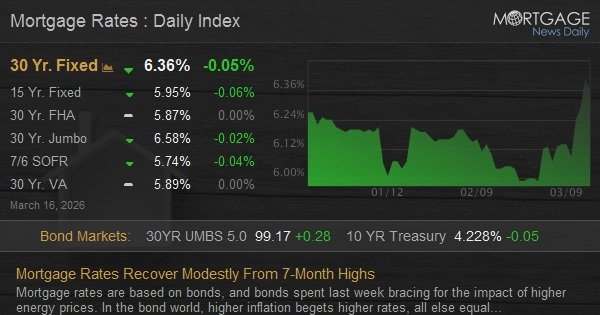
The market reaction has been uneven. Energy stocks outperformed—XLE gained roughly 5.2%—while consumer discretionary and industrial names lagged, helping to shave around 1.4% off the S&P 500. On the fixed-income side, 10-year Treasury yields climbed about 25 basis points to 4.45%, reflecting a repricing of inflation risk and pushing Fed funds futures to price a materially higher chance that a June rate cut won’t happen.
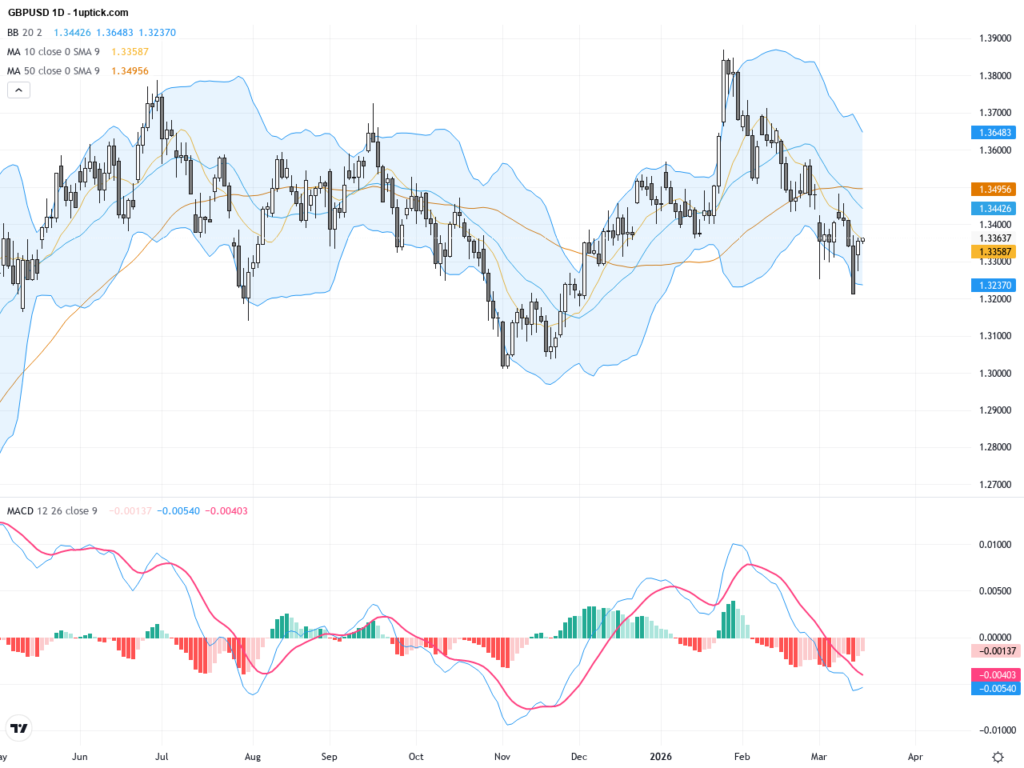
Safe-haven flows boosted the dollar, which strengthened to about 1.08 versus the euro, while emerging-market currencies such as the Turkish lira and South African rand showed stress amid risk-off sentiment. These moves matter most for oil-importing regions in Europe and Asia where higher input costs amplify inflationary pressures.
The geopolitical trigger is explicit: reports indicate that airstrikes on March 17 disrupted roughly 1.5 million barrels per day of Saudi output, and while OPEC+ has spare capacity in theory, the timing and scale of any compensatory production are uncertain. Fed Chair Jerome Powell warned in Congressional testimony that oil holding above $90 would pose persistent upside risks to inflation, which helps explain the Fed’s more cautious dots and messaging.
For policy makers, this creates a classic dilemma. Easing too soon risks reigniting inflation pressures; tightening too aggressively could tip a fragile economy toward pronounced slowdown. The Fed’s dot plot moving core PCE for 2026 from 2.5% to 2.8% is evidence of the institution accounting for the energy-driven upside.
What investors should watch next:
1) The trajectory of the Middle East conflict: de-escalation would likely see oil risk premia fall quickly; escalation would do the opposite and raise the probability of higher-for-longer rates.
2) OPEC+ responses: effective, timely increases in output would help calm markets; delays or mixed signals would keep volatility elevated.
3) Fed communications and incoming data: if the Fed doubles down on its cautious stance or if Q1 GDP and labor data remain resilient, the market’s timeline for rate cuts will likely push out further.
4) Corporate margins and consumer spending: rising energy costs bite profits and household real incomes, so watch Q1 earnings and consumer expenditure for signs of stress.
Near-term portfolio implications are straightforward: commodity and energy-related exposures may benefit but carry higher volatility; bondholders face mark-to-market losses if yields move higher; currency and emerging-market exposures may require active hedging. Tactical rebalancing makes sense in this environment—but it should be done with an understanding that geopolitics can flip the script quickly.
Bottom line: a geopolitically driven oil shock has reintroduced upside risks to inflation and complicated the Fed’s path. Market participants should track energy prices, OPEC+ actions and Fed signals closely, and prepare for elevated volatility across equities, bonds and FX.
Disclosure: This article follows the supplied summary and its figures; no additional external verification was performed during the drafting of this piece, so the market figures and event dates are those included in the original brief.