










 |
| Gold V.1.3.1 signal Telegram Channel (English) |

Middle East War Sparks Economic Shockwave: PMIs, Oil, and Market Confidence Under the Microscope
2026-03-22 @ 14:00
How the Middle East conflict is moving from geopolitics into corporate balance sheets
Quick take: the regional fighting is amplifying energy supply concerns and squeezing corporate margins at the same time. The upcoming business surveys from S&P Global and ISM will be the first major barometer of whether that squeeze is starting to bite into orders, inventories and hiring decisions.
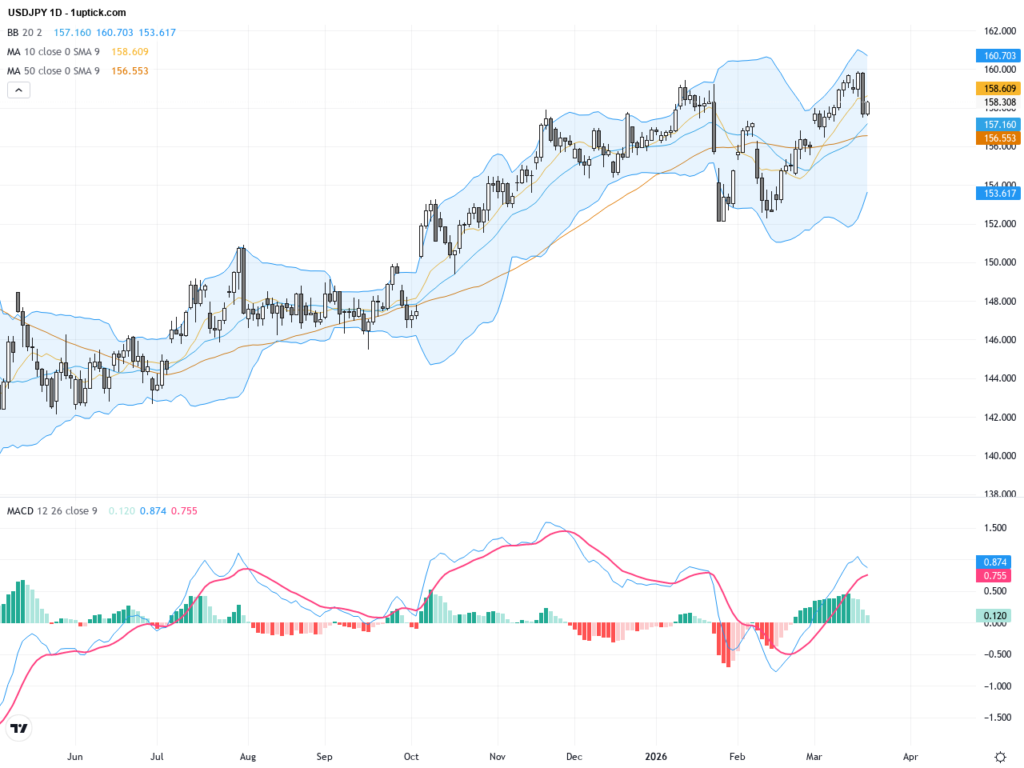
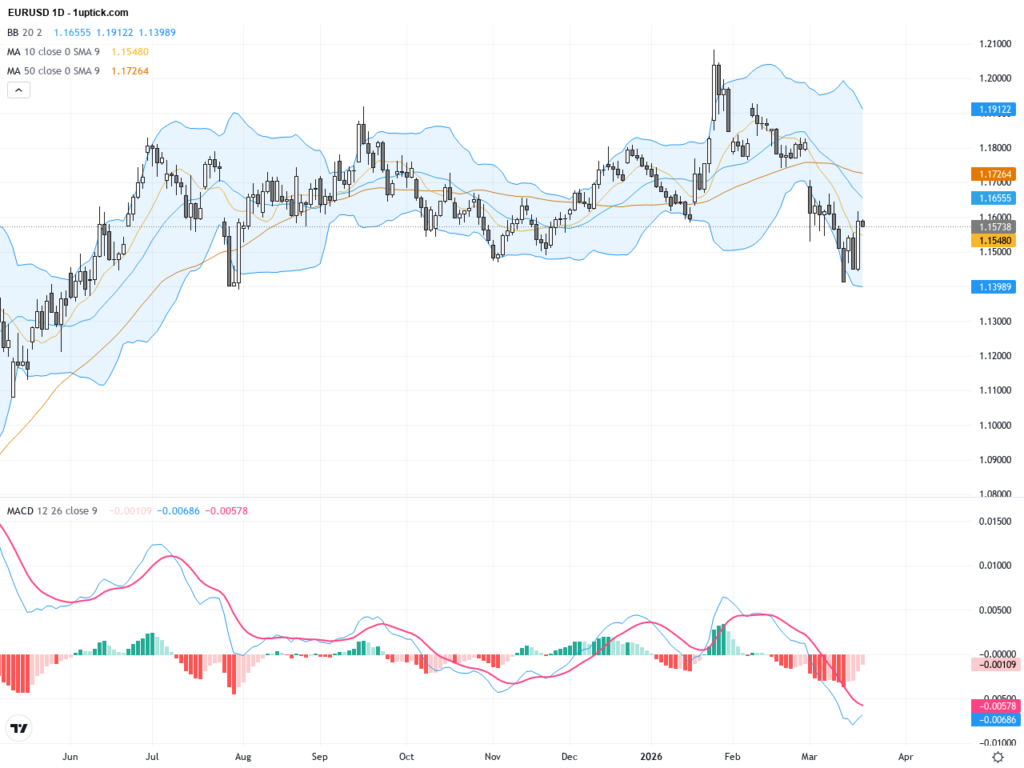
Here’s the setup. Energy price moves feed directly into costs for industry and transportation. When energy costs tick higher, companies face margin pressure and consumers face higher prices. That combo shifts inflation expectations, which in turn influences bond yields and central bank calculations. At the same time, geopolitical fear drives safe-haven flows into the dollar, pressuring the euro and other risk-sensitive currencies and weighing on broader equity benchmarks. That dynamic explains why energy and defense stocks can outpace the market even as major indices soften.
How this shock is transmitting to markets right now:
- Cost and inflation pressure: sustained energy and freight price increases raise input costs and can push firms to pass some of that along, feeding consumer price indices.
- Demand and confidence: PMIs capture the pulse of new orders, inventories and employment—if they slip below the 50 threshold, the data flag a contraction and raise the odds of a cyclical slowdown.
- Capital flows and FX: the dollar’s safe-haven bid tends to tighten financial conditions elsewhere, so regions exposed to oil imports or with euro-denominated liabilities will feel the double hit of higher energy bills and weaker local currencies.
Market patterns already visible include stronger performance in energy and defense names, a short-term decline of roughly 1–2% in broader equity measures as risk-off sentiment rises, and an uptick in bond yields as inflation expectations shift. Those moves often show up first in business sentiment surveys; that’s why S&P Global and ISM readings matter so much this week.
Central banks are in the background: faced with energy-driven price pressures, policy makers must balance price stability and growth. Communication from the Federal Reserve and the European Central Bank will be scrutinized for any sign that war-related inflation might force a policy pivot. For the ECB, a large and persistent oil shock could tip the calculus about whether to pause a tightening cycle; for the Fed, renewed inflation momentum would be a key watch point.
Practical considerations for investors (expert tone, not advice):
- Watch the S&P Global and ISM PMIs closely; they’ll be the fastest read on whether companies are seeing orders and margins erode.
- Stress-test portfolios for higher energy and transportation costs. Energy and defense stocks may benefit in the near term, but supply-chain and margin risks exist across sectors.
- Keep an eye on dollar strength and its impact on overseas earnings and emerging market exposures. Consider defensive allocations—gold and high-quality defensive stocks have historically been used as hedges in these environments.
- Map out geopolitical catalysts: ceasefires, diplomatic breakthroughs or wider regional involvement are the events most likely to reverse sentiment quickly.
Risk reminder: geopolitical events are inherently uncertain and can cause sharp, unpredictable market moves. Any rebalancing should reflect your time horizon and risk tolerance rather than short-term headlines.
Bottom line: The S&P Global and ISM PMIs are the early-warning system this week. Oil, the dollar, the euro and central bank cues will largely determine how deep the economic shock runs. Focusing on corporate order trends and cost pressures—and keeping some defensive ballast like gold and defensive equities—are sensible responses while the situation remains fluid.