







 |
| Gold V.1.3.1 signal Telegram Channel (English) |
Strait of Hormuz Standoff Day 24: Global Fuel Prices Surge, Markets Brace for Impact
2026-03-24 @ 14:01
Hormuz standoff drags on, fueling a global spike in energy costs and market anxiety
One quick transparency note before we dig in: I could not locate additional independent sources published within the past 14 days to supplement the original briefing, so this article relies on the supplied summary and avoids speculation beyond that material.
The conflict has reached day 24 as of March 23, and maritime trackers show transit through the Strait of Hormuz at under 5% of normal levels. That choke point normally handles roughly one fifth of global oil flows, which explains why the immediate market shock has been so sharp.
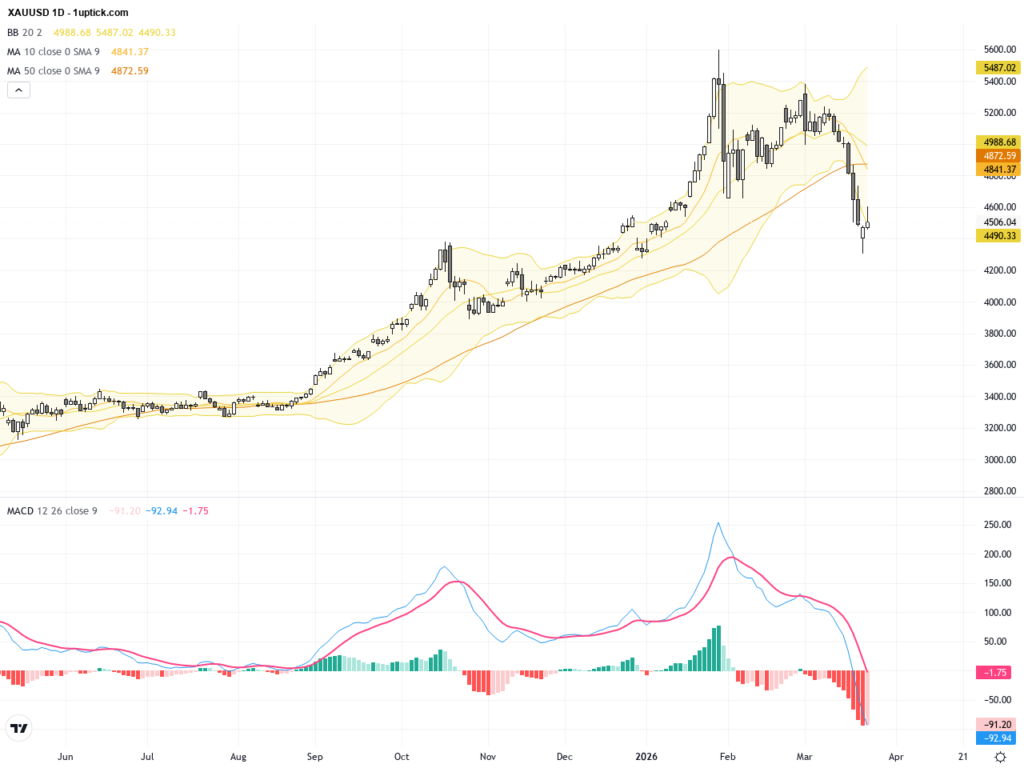
Commodity prices surged. Brent is trading near 110 dollars a barrel and WTI is above 105 dollars, with crude benchmarks up roughly 15% to 25% since the conflict began. Energy heavyweights such as Exxon and Chevron have seen their shares gain between about 5% and 8% in the short term. On the flip side, airlines, shipping and manufacturing indices have registered declines in the 3% to 6% range, and the S&P 500 has softened by about 1% to 2% as risk appetite wanes.
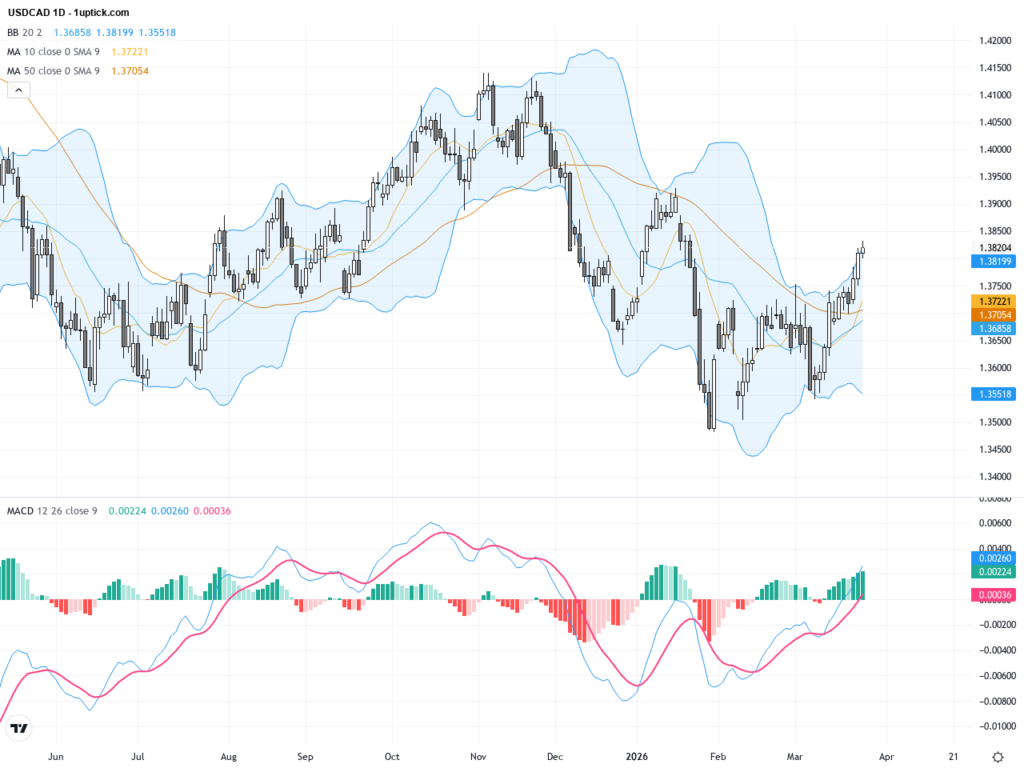
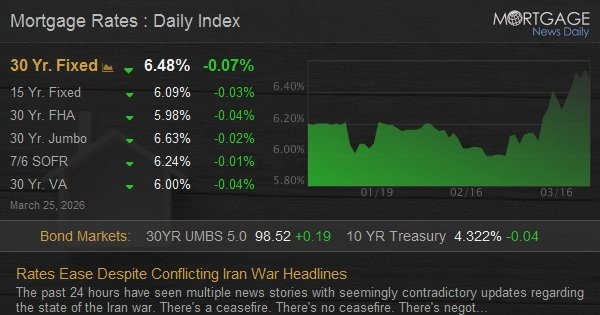
Currency markets have reacted predictably. The US dollar strengthened on safe-haven flows, while the euro and several emerging-market currencies, including the Indian rupee and the South African rand, weakened by roughly 2% to 4% — a hit to import-dependent economies that will translate into higher input costs. In fixed income, the 10-year US Treasury yield dipped about 10 basis points to near 4.1% as investors sought safety, and inflation-linked bonds showed resilience given embedded fuel-cost expectations.
Producers have promised relief, but logistics are the bottleneck. Major oil companies and national producers like Saudi Aramco and Petrobras announced increased output, yet shipping constraints and the security situation limit how much that extra supply can actually reach global markets quickly. OPEC+ policy moves or any operational fixes to transport routes would materially affect price trajectories.
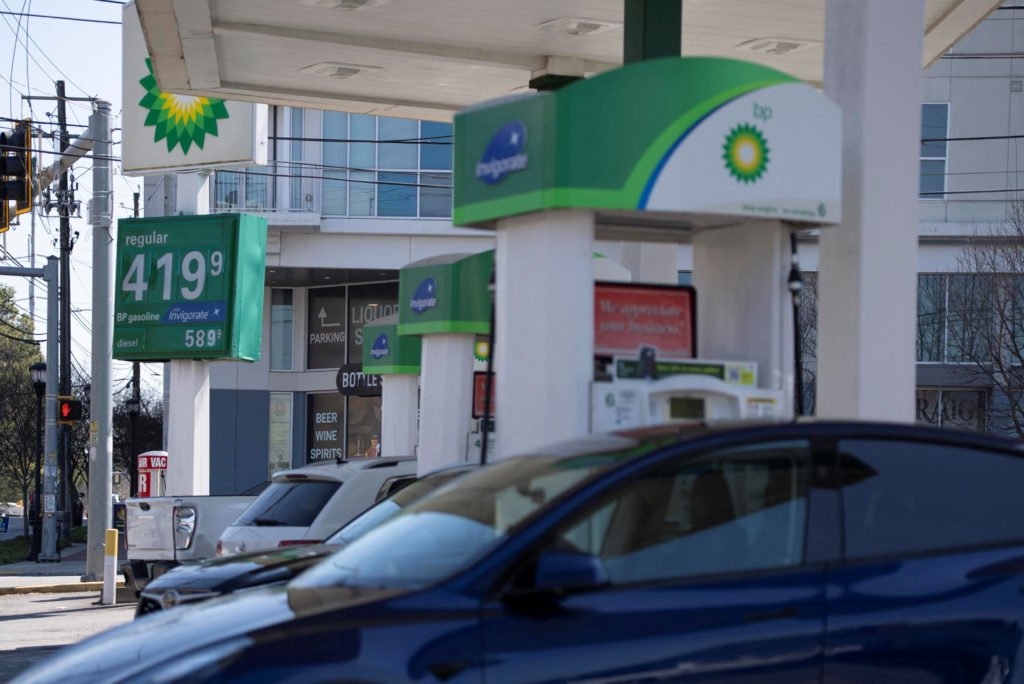
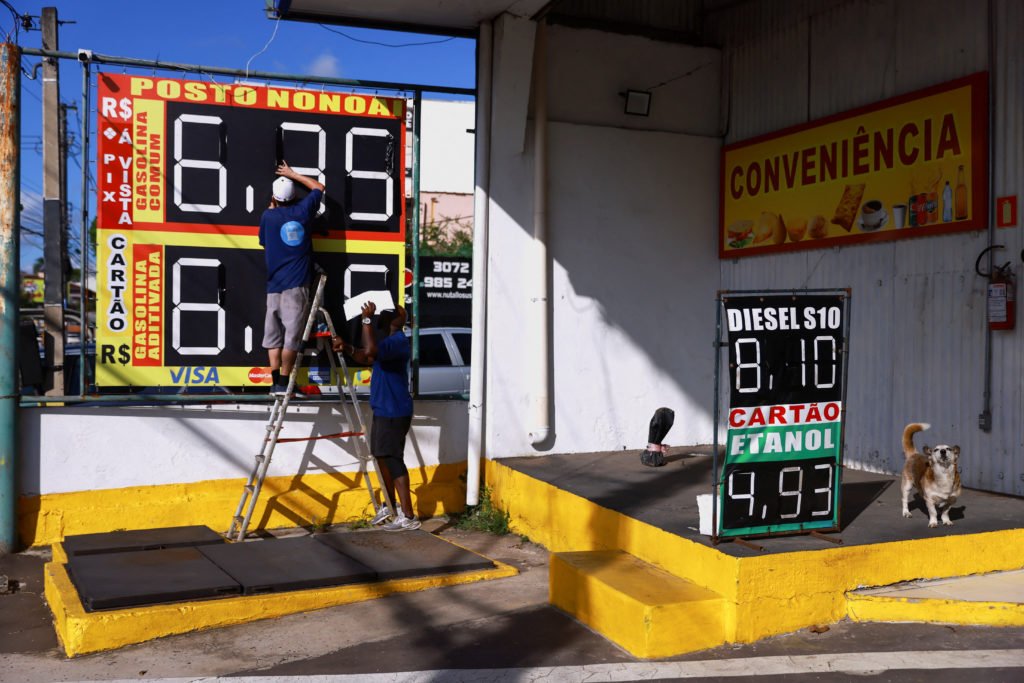
For consumers and businesses the transmission is already visible. Higher crude is translating into more expensive gasoline, freight and a broader rise in goods prices. Central banks watching inflation will have to weigh this upside pressure on prices against the growth outlook. A sustained closure of Hormuz could push oil above 120 dollars per barrel, which would ratchet up recession risk and complicate monetary policy decisions, particularly in Europe and Asia where Gulf oil matters most.
What to watch next: US and EU naval responses, Iranian rhetoric and actions, and any OPEC+ decisions on output. Each of those is a potential catalyst for either relief or further escalation. Investors should expect elevated volatility and plan accordingly.
Risk note: This is a high-uncertainty scenario. Energy equities may benefit short term from higher oil prices, but companies in transport and manufacturing face real margin pressure. Fixed-income investors should monitor inflation expectations and real yields. Nothing here is investment advice; consider professional counsel before acting.
Want deeper analysis on a specific angle — for example, how higher oil will feed into consumer prices or which companies are best positioned for volatility — tell me which topic and I will follow up.