









 |
| Gold V.1.3.1 signal Telegram Channel (English) |

UK Gilt Yields Spike to 2008 Peaks: Inflation Fears and Rising Oil Prices Reprice Rates
2026-03-21 @ 14:01
Why UK gilt yields climbed back to 2008 highs on March 20, 2026
Markets moved fast on March 20. Key UK gilt yields rose to levels not seen since 2008, and the catalyst was familiar yet potent: rising oil prices feeding cost-push inflation and forcing investors to reprice the outlook for rates. That repricing rippled across bonds, equities, currencies and commodities, making the move relevant for anyone with savings, debt or an investment portfolio.
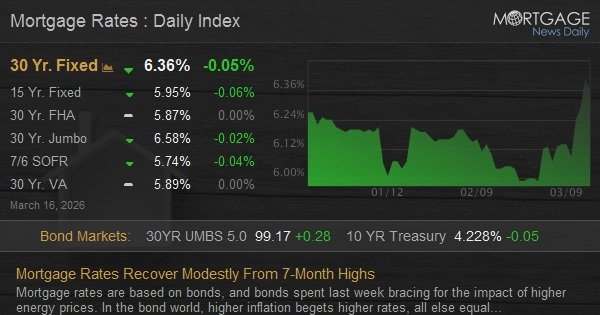
Here’s the mechanics in plain English. When gilt yields rise, bond prices fall. The immediate victims are holders of long-duration fixed income, and governments and corporations face higher borrowing costs. For companies in rate-sensitive sectors like real estate and utilities, higher discount rates shave present values of future cash flows, meaning valuations come under pressure. Energy producers tend to benefit when oil climbs, but energy-intensive manufacturers see margins squeezed as input costs rise.
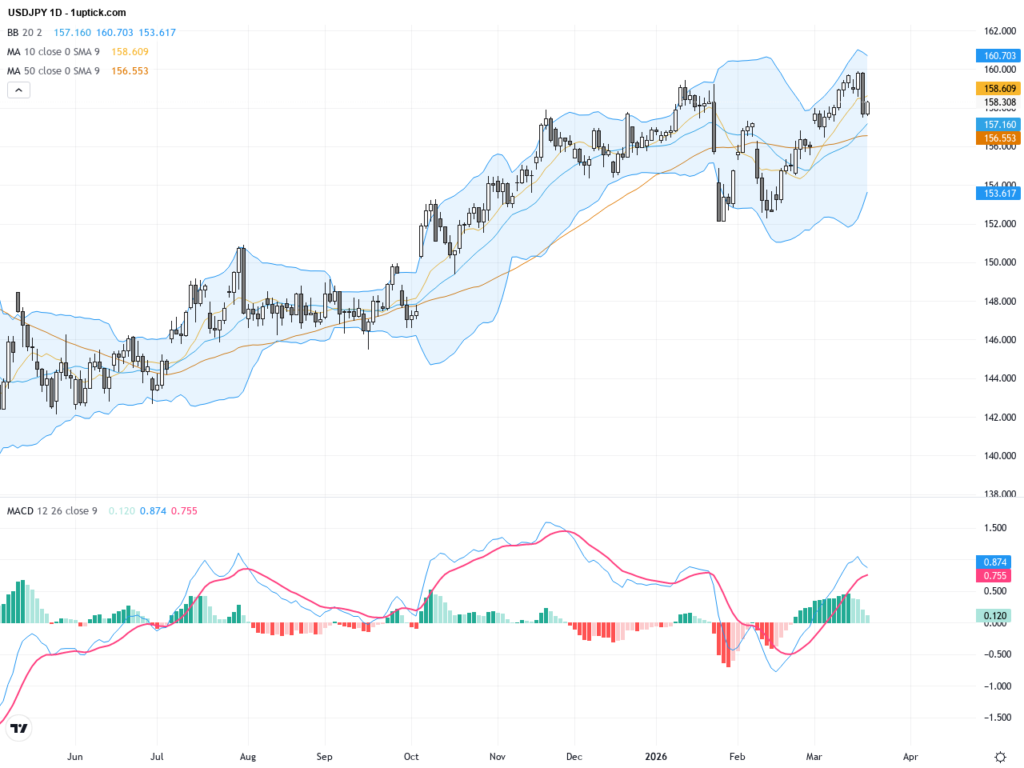
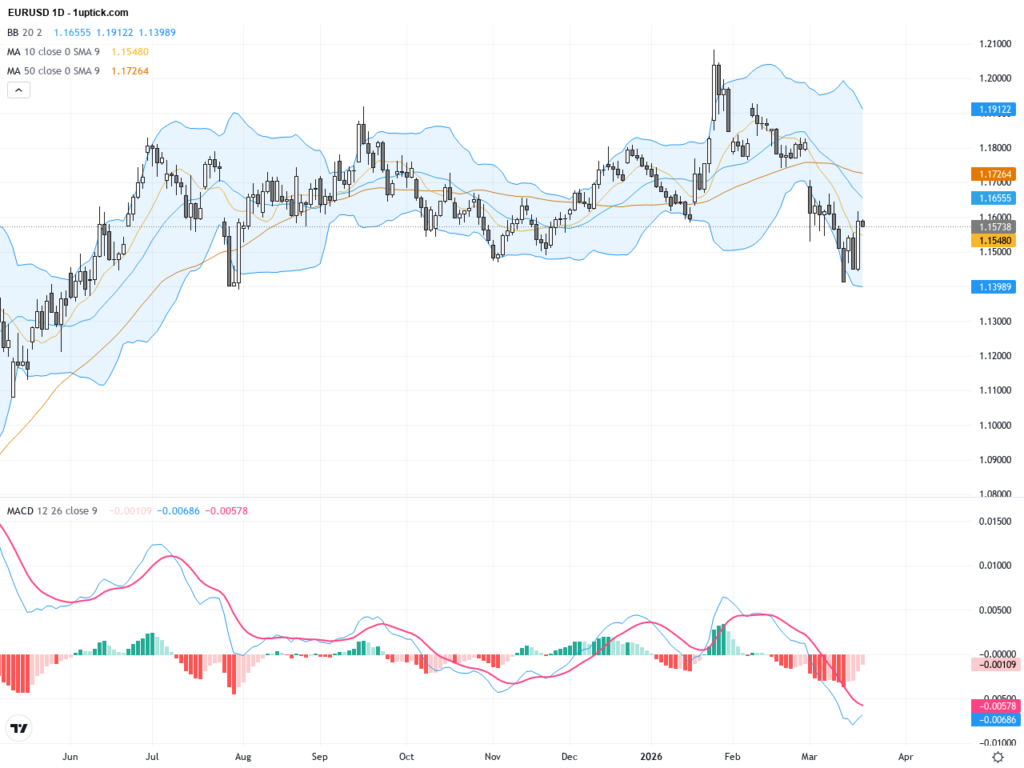
The foreign exchange angle is nuanced. Sterling can strengthen on signals that the Bank of England is likely to be more hawkish, but it’s also vulnerable in global risk-off episodes. In short, GBP moves will depend on whether markets interpret higher yields as driven by domestic policy tightening or global risk repricing.
Liquidity signals matter too. Money market instruments showed heightened short-term demand for cash and safe, short-term instruments during the volatility, a sign that market participants were hunkering down. That short-term liquidity preference adds another layer of stress to funding conditions and can steepen or twist the yield curve depending on the intensity and duration of the flow.
The policy and market watchlist is straightforward. First, monitor Bank of England rhetoric and any shifts in tone or forward guidance. Second, upcoming CPI prints will be decisive; sustained or renewed upside in inflation statistics would strengthen the case for elevated rates. Third, keep an eye on oil supply dynamics. Any disruption on the supply side that pushes oil prices higher will magnify cost-push pressures and keep yields under upward pressure.
Global synchronization with the US is another potential amplifier. If the US Federal Reserve maintains a similarly hawkish stance, we could see a broader rise in global yields that complicates cross-border financing for multinational companies and raises the bar for fiscal sustainability in highly indebted countries.
What this means for investors and policymakers is a set of tradeoffs. Investors need to manage duration exposure and liquidity; they may seek inflation-protective assets or defensive equity positions to hedge near-term risks. Policymakers face a tougher fiscal arithmetic as debt servicing costs climb, which could limit room for discretionary spending or force reprioritization of budgets.
A word of caution: rapid repricing events like this increase market volatility and make timing decisions more fraught. Any portfolio adjustments should be made with an eye to risk management and liquidity planning, not just return chasing. This analysis is anchored to the market developments observed on March 20, including the clear link between rising oil prices and inflation repricing. Recent reporting within the last fourteen days did not provide sufficient additional granular information to materially expand or change the core view presented here, so this piece sticks to the primary market signals to avoid overreach.
Final thought: if you’re a treasurer, CFO or portfolio manager, ask whether your funding strategy and asset allocation reflect a higher for longer interest rate environment. Doing nothing in the face of structural shifts in rates is itself a risky position.
Disclaimer: This article is for informational purposes only and does not constitute investment advice. Consult a qualified professional before making financial decisions.