









 |
| Gold V.1.3.1 signal Telegram Channel (English) |
US 30-Year Mortgage Rates Dip from 7-Month Highs as Oil Falls and 10-Year Yields Ease
2026-03-17 @ 09:01
Small retreat in mortgage rates buys time, not certainty
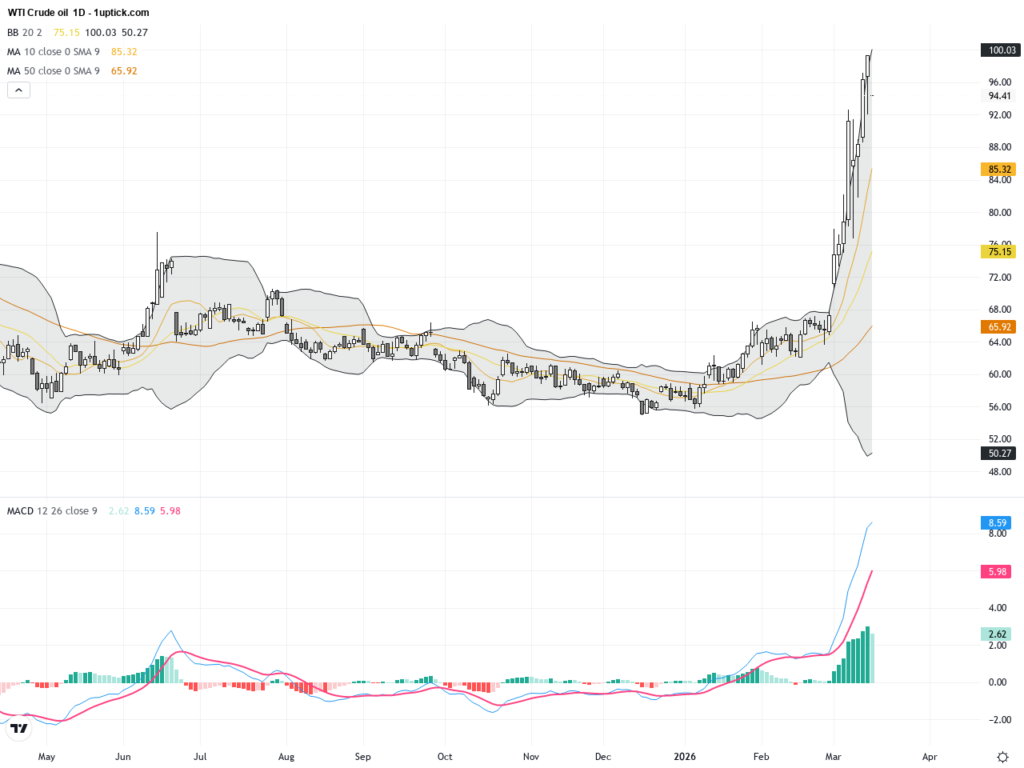
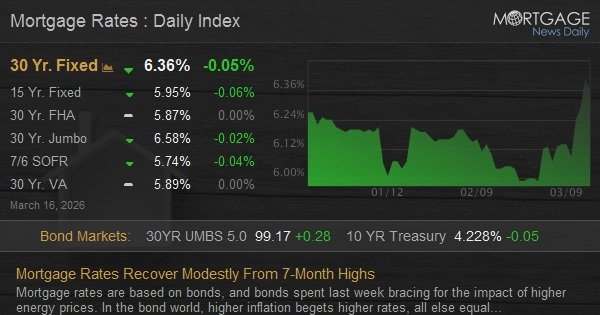
US 30-year fixed mortgage rates eased about 0.06 percentage point on Monday, stepping back from the seven-month highs seen last Friday. The move tracked a roughly matching 0.06 percentage point drop in the 10-year Treasury yield and came as oil prices fell more than 5% in a single session, temporarily dialing down market worries that higher energy costs will stoke inflation. In plain language: oil slid, bonds rallied, yields ticked lower, and mortgage rates followed suit.
Why this matters beyond headlines
Mortgage rates are a direct cost factor for homebuyers and a major input into housing demand, homebuilder earnings and REIT valuations. Even a few basis points of relief can nudge marginal buyers into the market, support transaction volumes, and trim financing costs for developers. In short, homebuilders and residential REITs tend to see a modest lift when long-term yields fall, because lower capital costs improve both cash flow assumptions and discounted valuation models.
But this is a short-term reprieve, not a regime change. Inflationary pressure remains a central risk. Energy volatility can quickly reverse the recent move: if oil prices rebound, inflation expectations could re-accelerate, pushing the 10-year yield and mortgage rates higher. Federal Reserve policy is still the overarching determinant—hawkish signals or unexpectedly tighter guidance would put upward pressure on long-term yields and mortgage costs.
Wider market implications
A drop in the 10-year yield often weakens the US dollar modestly, as the relative attractiveness of US interest rates softens. Commodities, led by oil, may stabilize after a pullback, but any decisive move back up in energy will feed through to inflation expectations and asset prices. Equities tied to consumer discretionary spending could see a small boost if mortgage affordability improves, but persistent inflation limits upside for broader equity markets.
Who benefits most
Regional housing markets and marginal buyers who are sensitive to monthly payment shifts tend to benefit first. Short-term sector plays include homebuilders and residential REITs. Consumer-facing stocks that rely on housing-related spending may also get a small lift. However, investors should remember that the benefit is conditional and can evaporate if energy prices or inflation indicators shift.
Key watchpoints and risks
1) Oil price trajectory: Energy moves have been the proximate cause of recent yield swings. Continued downside in oil helps keep yields and mortgage rates lower; a rebound raises the opposite risk. 2) Inflation data and CPI releases: Realized inflation will largely determine Fed reaction function and the path of long-term yields. 3) Federal Reserve communication and decisions: Any move toward a tighter posture or hawkish guidance can push yields and mortgage rates up. 4) Housing demand indicators: New home starts, building permits and existing home sales will show how buyers respond to slightly easier financing conditions.
A few tactical thoughts
Potential buyers: A few basis points of relief marginally improve affordability, but plan around a wider range of rate outcomes and focus on total financial capacity rather than short-lived dips. Equity holders in homebuilders or residential REITs: Expect possible short-term upside, but hedge or size positions with awareness that energy or inflation shocks can reverse gains quickly. Conservative investors: Manage duration and interest rate exposure carefully, as volatility in yields remains likely.
Bottom line
This small decline in mortgage rates offers a welcome, but limited respite. The real drivers for the weeks ahead remain oil price action, incoming inflation readings, and the Fed stance. Watch those three closely. If you are making a major housing or investment decision, weigh the modest near-term improvement against the still-elevated risk of renewed rate pressure, and consider consulting a qualified financial advisor before acting.