










 |
| Gold V.1.3.1 signal Telegram Channel (English) |

US National Debt Tops $39 Trillion — CFR’s Richard Haass Warns of National Security Risks
2026-03-20 @ 09:02
Why $39 Trillion Matters More Than a Headline
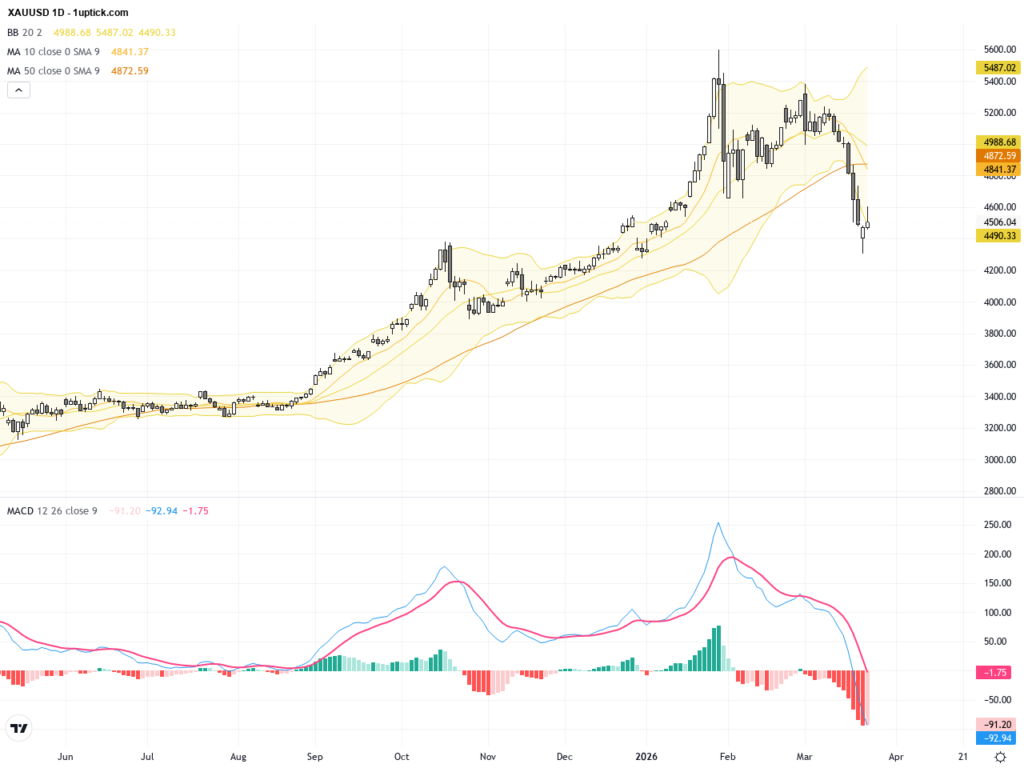
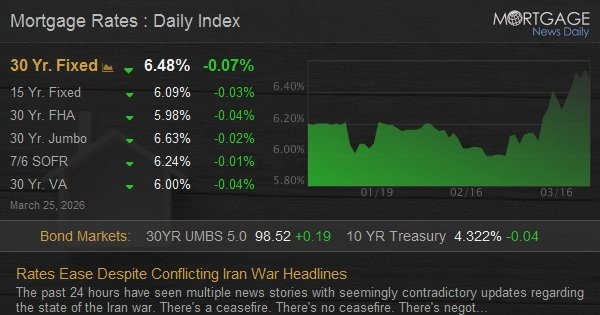
The US federal debt crossing the $39 trillion mark sounds like a big number. It really is. But more important than the headline is what that number does to options — the tools policymakers and markets use when things go wrong. Council on Foreign Relations president Richard Haass told Fortune that the debt trajectory means the country is ‘living on borrowed time’ and that fiscal strain can translate into national security risks. In short, debt is beginning to shape geopolitics, not just balance sheets. Over the past two weeks I looked for fresh reporting and verified market moves tied specifically to this milestone and found no sweeping new developments beyond Haass’s Fortune interview. That means the core warning stands as the most consequential recent commentary, and it deserves scrutiny. From a market mechanics perspective, big fiscal deficits and rising debt have predictable transmission channels. First, they put upward pressure on Treasury yields. As the Treasury issues more debt to fund deficits, supply rises and yields can climb, which raises the cost of capital across the economy. Ten-year yields moving higher hurt rate-sensitive sectors like technology and real estate, where valuations and leverage rely on cheap borrowing. Second, the debt picture affects the dollar and global liquidity. If investor confidence in US fiscal sustainability wavers, the dollar could weaken, which tends to lift commodity prices and shift capital flows. Gold often benefits in that environment given its safe-haven role. Emerging market currencies, meanwhile, can become more volatile if global dollar liquidity tightens or if US yields spike. Third, there are strategic spending trade-offs. Haass’s argument is blunt: when interest costs and deficits crowd out fiscal room, Congress and the administration may find it harder to expand defense budgets or respond to international crises without making painful trade-offs elsewhere. That turns a fiscal challenge into a national security constraint. For investors and watchers, what should be on the dashboard? Watch upcoming Treasury auctions and quarterly deficit releases closely. Keep an eye on the 10-year yield and the slope of the yield curve; shifts there signal changing funding costs and risk-premia across markets. Debt-to-GDP is a key macro metric — currently around 130% by common estimates — and baseline models suggest it could approach 150% over the next several years if policy remains unchanged. That projection is a long-term stress test for markets and policymakers alike. Practically speaking, prudent responses include maintaining diversified allocations, limiting excessive leverage, and managing exposure to rate-sensitive assets. For long-term holders, understanding how fiscal risks map into the path of interest rates and inflation is more useful than chasing short-term market calls. For policy watchers, the debate needs to move beyond alarmism and toward concrete choices on revenue, spending priorities, and structural reforms that can restore fiscal headroom. A final caveat: high debt levels amplify risk, but they do not immediately equate to a crisis. The danger is cumulative and political — if decision-makers delay hard choices, vulnerabilities grow. Haass’s warning is a reminder to treat the debt number not as an abstract statistic but as a factor that will shape defense, diplomacy, and markets for years to come. Even if the last 14 days brought no new blockbuster headlines, the implications of $39 trillion in debt will reverberate through yields, asset prices, and geopolitical options, and they deserve sustained attention.