








 |
| Gold V.1.3.1 signal Telegram Channel (English) |
Iran War Pushes U.S. Gas Prices Over $4/Gallon, Triggering Economic Shockwaves
2026-04-08 @ 13:02
Why Gas Prices Are Surging—and What’s Next
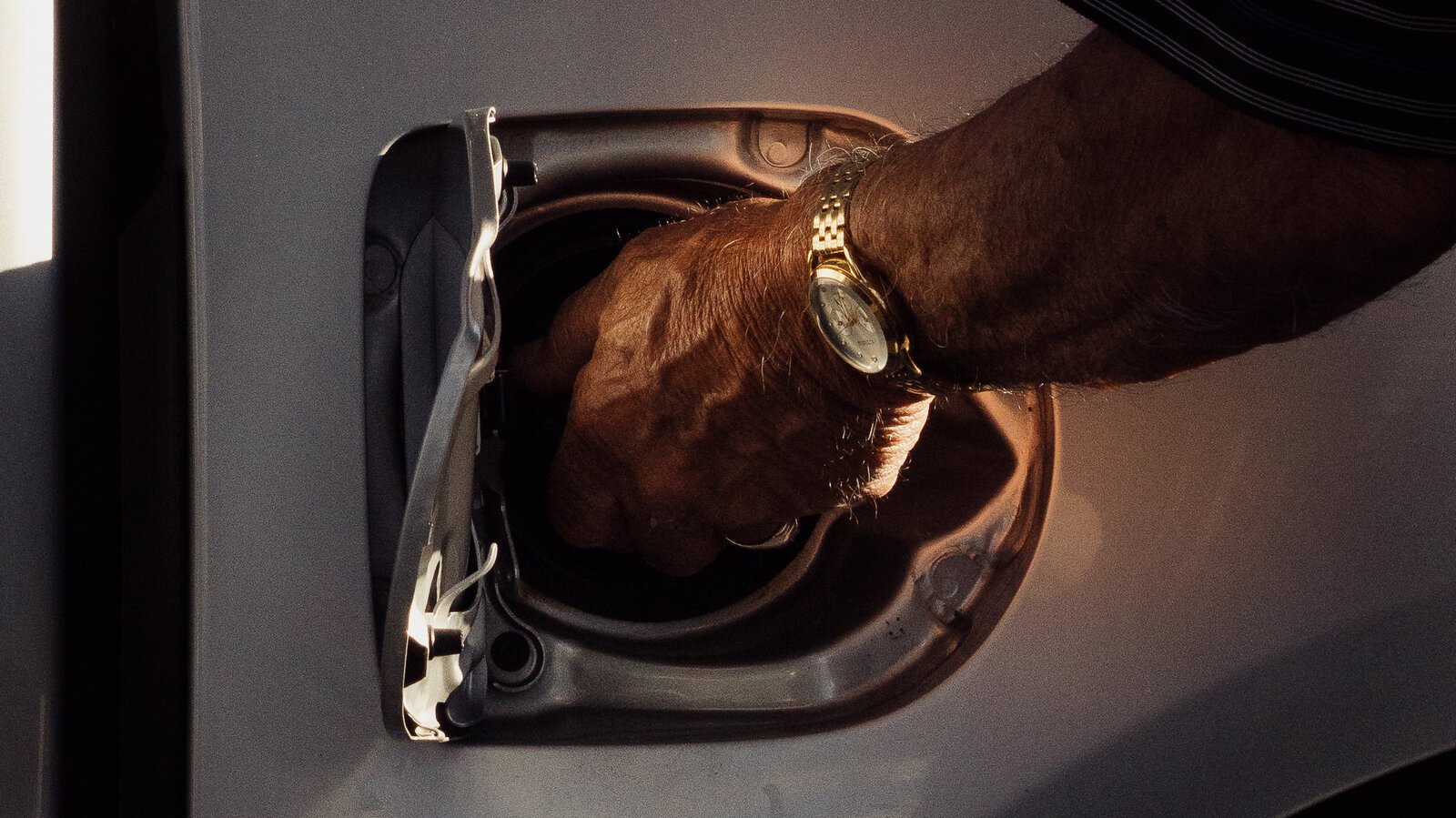
By late March, the U.S. national average for gasoline hit $4.11 per gallon, marking a 38% jump since the Iran war kicked off at the end of February. Diesel prices climbed even steeper, up nearly 50% to $5.62 per gallon. These are sharp increases that outpace the price spikes after Russia’s 2022 Ukraine invasion. On the West Coast, California drivers are feeling the pinch the most, with pump prices closing in on $5.87 due to limited refinery capacity and high state taxes.
The conflict’s heart? The Strait of Hormuz blockade, which has cut off about one-fifth of the world’s oil and gas supply. With critical Iranian facilities like Kharg Island under threat, experts warn Brent crude could spike anywhere from $120 to $200 a barrel. Natural gas futures have also reacted wildly—Europe up 77% and Asia 51% so far.
Stock Markets and Consumer Costs
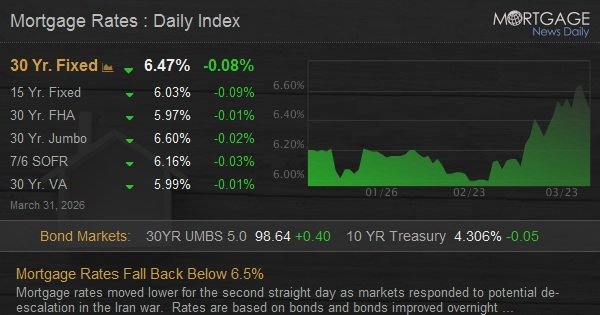
Energy stocks have surged as oil prices climb, but the broader stock market is feeling the squeeze from rising input costs. Higher fuel prices mean bigger transport and production expenses, ultimately pushing up prices across the board. Consumers could soon face higher mortgage rates too, as the Fed monitors inflation risk driven by soaring energy costs.
The transportation sector isn’t spared—airfares have jumped alongside fuel. Food and travel industries are bracing for increased costs and changing demand patterns. Around the globe, some countries like Mauritania have even imposed fuel curfews to manage shortages, underscoring the widespread effect of this crisis.
Public Concern and Political Moves
A recent Pew survey found that 69% of Americans are more worried about rising fuel prices than about the possibility of U.S. troops being deployed on the ground. Meanwhile, President Trump has threatened to target Iran’s power infrastructure if the Strait of Hormuz isn’t reopened, adding to tensions. Analysts from Macquarie put the odds of $200 oil at about 40% if the conflict extends into the summer.
Looking Ahead: Risks and Chances
If war drags on, gas prices in the U.S. could hit $7 a gallon, sparking entrenched inflation and economic pain. But there’s also a roughly 60% chance the conflict resolves sooner, which could see prices stabilize just above pre-war levels. Watching the status of the Strait of Hormuz, the security of Kharg Island, and how the Federal Reserve responds to fuel-driven inflation will be key for markets and consumers alike.
This energy shock is shaping policy decisions and market sentiment alike. Whether you’re dreading the next trip to the pump or eyeing energy stocks, the next few weeks will be critical in setting the course for 2026’s economic landscape.