

 |
| Gold V.1.3.1 signal Telegram Channel (English) |

U.S. Public Debt Surpasses GDP for First Time Since WWII, Hits 100.2% Ratio
2026-05-02 @ 13:02
U.S. Public Debt Breaks Through GDP for First Time in Over 80 Years
In the first quarter of 2026, the U.S. reached a financial milestone that’s grabbing headlines: public-held debt surged to $31.27 trillion, finally eclipsing the nominal GDP of $31.22 trillion from the prior 12 months. This pushes the debt-to-GDP ratio to 100.2%, a level unseen since the post-World War II era when it peaked at 106% in 1946.
But it’s not just the public debt with eyes on it. The total gross national debt—including intragovernmental holdings—has ballooned past $39 trillion. That breaks down to roughly $114,000 of debt per American, or about $289,000 per household, underscoring a heavy financial burden trickling down to everyday lives.
How Markets Are Reacting and What It Means
Investors are taking notice. By late April, 10-year U.S. Treasury yields rose 15 basis points to 4.65%, reflecting growing concerns about fiscal sustainability and rising borrowing costs for everything from government projects to corporate financing. Despite the jitters, the S&P 500 actually climbed 1.2% after the data release, lifted by strong corporate earnings, though growth-sensitive sectors like industrials lagged, dipping 0.8%.
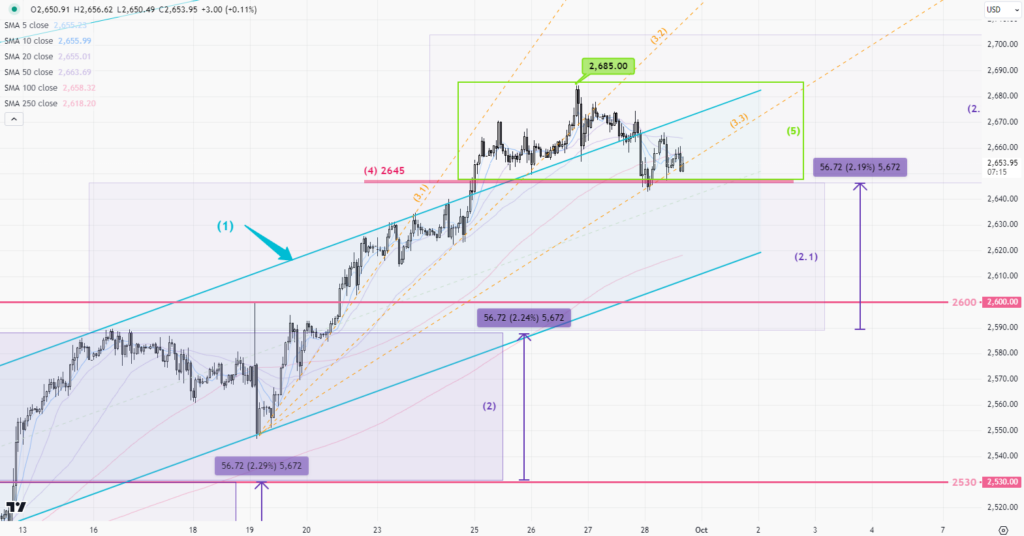
The U.S. dollar strengthened about 0.5% against major currencies like the euro, reasserting its role as a global safe haven amid uncertainty. Gold prices gained 2%, hitting $2,650 per ounce as investors sought refuge, while commodities like oil remained steady thanks to balanced supply-demand fundamentals. Across the Atlantic, Europe faces indirect headwinds as rising global yields slow down expectations for European Central Bank rate cuts.
Fiscal Outlook and What to Watch Next
On the policy front, the Committee for a Responsible Federal Budget (CRFB) confirmed the ratio breach on April 30, highlighting just how close the country is to the 1946 postwar peak. Meanwhile, President Trump’s proposed 2027 budget ramps up defense spending by 40%, yet the debt-to-GDP ratio remains stubbornly above 100%.
Looking ahead, the Congressional Budget Office (CBO) projects public debt may climb to 108% of GDP by 2030 and 120% by 2036 without significant policy shifts—a path that risks slower economic growth and reduced private investment. Recent updates from the Senate Joint Economic Committee point out that this ballooning debt translates to a staggering $289,000 average household burden.
CBO’s models also warn that gross debt could reach as high as 126% of GDP by year-end if current policies continue unchecked. Investors will want to keep a close eye on Q2 GDP data expected by late July and the critical debt ceiling negotiations slated for May, as these will likely spark market volatility.
There’s bipartisan momentum pushing for a fiscal target of a 3% GDP deficit, which could steady debt growth over the long term. But with President Trump’s budget emphasizing increased military spending and upcoming midterm election battles on fiscal policy, expect possible fluctuations in Treasury yields and USD strength. The Federal Reserve remains alert, considering how rising debt levels might influence inflation and future monetary moves.
Bottom line: America’s climbing debt load is at the heart of global financial conversations. What unfolds in the coming months will shape capital flows, risk appetite, and economic growth trajectories worldwide. For investors and citizens alike, it’s a time to stay informed and cautious, balancing opportunity against the real stakes of mounting public debt.