



 |
| Gold V.1.3.1 signal Telegram Channel (English) |
Iran Conflict Spurs Sharp Rise in U.S. Mortgage Rates as Yields Hit New Cycle Highs
2026-05-20 @ 13:02
Iran Conflict Fuels Surge in U.S. Mortgage Rates and Treasury Yields
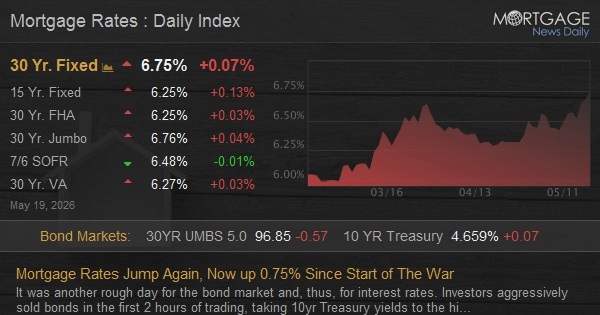
U.S. mortgage rates have shot up recently, with 30-year fixed rates climbing above 6.7%, nearly 0.75 percentage points higher than before the Iran war flared up in late February. This jump is mainly due to markets pricing in persistent inflation risks tied to rising oil prices and ongoing geopolitical tensions in the Middle East. Although robust demand for agency mortgage-backed securities (MBS) has somewhat capped the increase relative to Treasuries, borrowing costs for homebuyers have reached their highest point since mid-2025.
Bond Market Turmoil Reflects Worry Over Inflation and Fed Policy
In the past two weeks, U.S. 10-year Treasury yields have hit the highest level in over a year, trading mostly between low and mid-4% range. This movement signals investors’ growing doubts about near-term Fed rate cuts and a heightened premium for inflation. The Iran conflict has amplified these concerns, pushing the market to anticipate the Federal Reserve holding or hiking rates longer than previously thought, which weighs heavily on bond prices. Meanwhile, MBS spreads have narrowed against Treasuries, thanks to large-scale buying by Fannie Mae and Freddie Mac and improved secondary market liquidity. The trend is global—long-term government bond yields across Europe and advanced economies are rising as investors demand higher compensation for inflation and geopolitical risks.
Stronger Dollar and Elevated Oil Prices Stir FX and Emerging Market Volatility
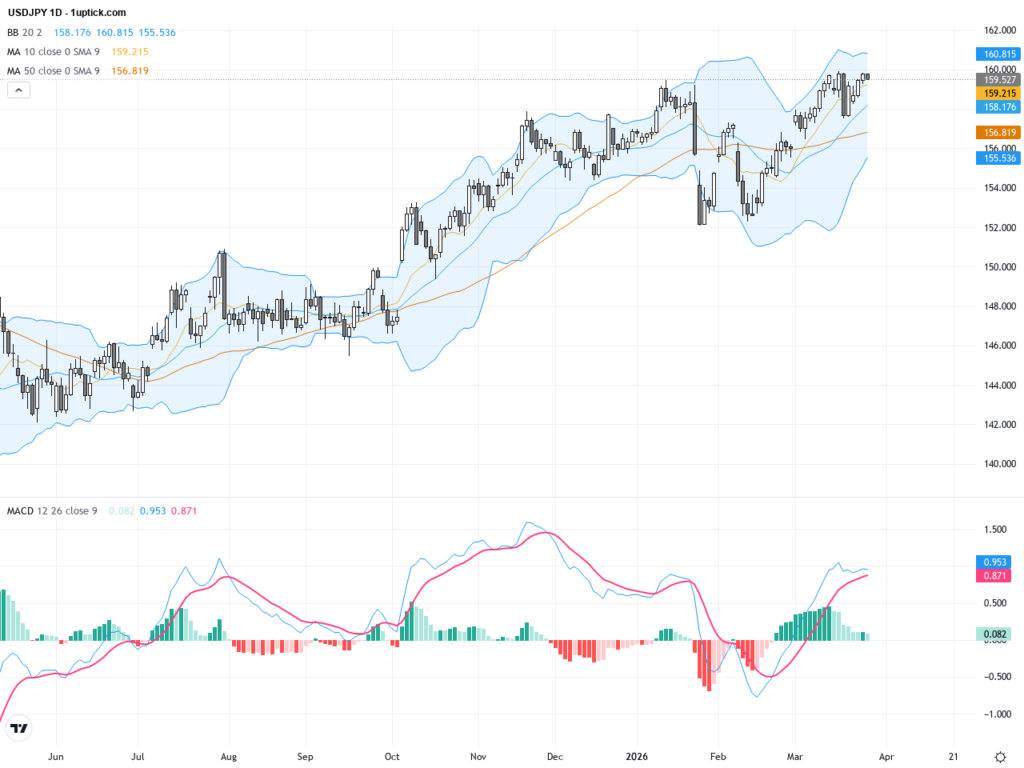
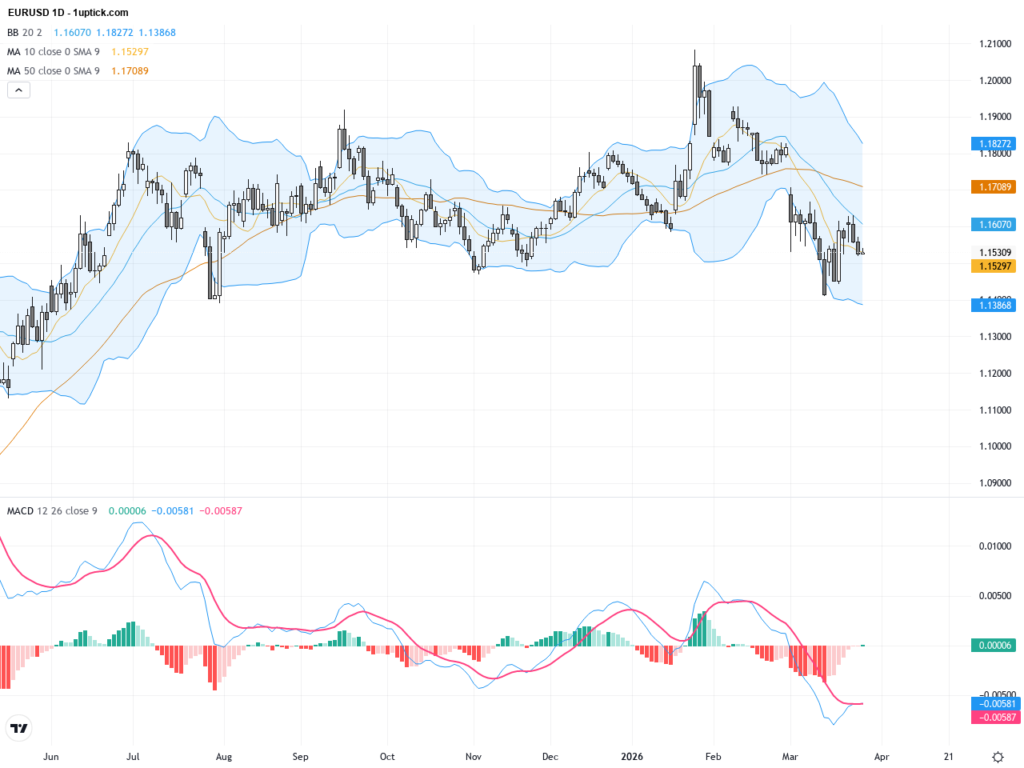
The dollar remains strong against most major and emerging market currencies, supported by higher U.S. yields and safe-haven demand amid the Iran conflict. Simultaneously, surging oil prices strain the current accounts and currencies of large net energy importers in Asia and Europe, contributing to localized foreign exchange volatility and complicating global capital flows.
Persistently High Oil Prices Drive Inflation and Market Uncertainty
Brent and WTI crude prices continue to hover above pre-war levels, with each escalation in military tensions between Iran, Israel, and the U.S. triggering fresh price spikes. While real physical supply disruptions haven’t yet materialized, markets are pricing in a lasting risk premium regarding Gulf oil supply. These elevated energy costs are pushing headline inflation higher worldwide, complicating central banks’ efforts to bring inflation down and reinforcing expectations that policy rates will stay elevated for a longer period.
Housing and Financial Sectors Under Pressure as Affordability Declines
The rising mortgage rates are already weighing on U.S. homebuilders and housing-related stocks, including mortgage lenders, title insurers, and building materials companies. After a brief rebound early this year, the renewed climb in rates is dampening purchase activity and curbing affordability. Rate-sensitive sectors such as utilities, REITs, and small caps continue facing pressure due to higher discount rates. Banks and insurers might benefit from wider net interest margins but could see credit quality concerns grow if housing or consumer credit deteriorates. Overall, increased borrowing costs for households and businesses are expected to drag on discretionary spending and residential investment in the coming quarters.
Key Trends and What to Watch Next
Mortgage rates have been steadily rising since late February, with Freddie Mac and private trackers showing an increase from below 6% to mid-6% range. Analysts point to a 0.5 to 0.75 percentage point boost caused by post-war bond market repricing and inflation fears. The IMF and other global institutions have warned that persistently high yields alongside geopolitical risks could raise borrowing costs worldwide, hamper debt sustainability, and slow growth—especially in vulnerable emerging markets. Early U.S. housing data reflects these strains, with slower refinancing and tentative signs of weakening in purchase applications despite some inventory gains in certain Sunbelt and Western markets.
Looking ahead, any escalation that threatens Gulf oil supply routes like the Strait of Hormuz could send oil prices and inflation expectations soaring, pushing mortgage rates even higher. Conversely, credible diplomatic progress could help ease risk premiums, lowering yields and borrowing costs. Upcoming U.S. inflation figures (CPI/PCE) and wage data will be closely watched for clues on the Federal Reserve’s stance. Meanwhile, shifts in investor appetite for long-duration bonds and changes in term premiums will shape the trajectory of yields and mortgage rates. The housing market’s response—through changes in mortgage applications, home sales, builder confidence, and price trends—will also provide critical signals about broader economic momentum and future Fed policy expectations. Globally, sustained high yields, a firm dollar, and elevated oil prices risk intensifying stress in emerging market sovereign debt and currencies, which could send further ripples through risk assets and U.S. mortgage financing conditions.