


 |
| Gold V.1.3.1 signal Telegram Channel (English) |
Russian Corporate Debt Defaults Surge in 2026 Amid High Rates and Economic Strains, Elevating Bond Market Risks
2026-05-10 @ 13:03
Surging Debt Defaults Shake Russian Corporate Bonds in 2026
The first quarter of 2026 has seen Russian corporate debt defaults jump dramatically to 157 cases, nearly triple the 54 defaults recorded in the same period last year. Behind this surge lies a punishing high-interest-rate environment—peaking at 21% until mid-2025 and currently holding around 15%—alongside mounting economic pressures stemming largely from ongoing war expenditures and sustained international sanctions.
Bond Market and Banking System Feel the Heat
Russian companies face at least RUB 4 trillion in debt repayments this year, straining investor confidence and driving widening spreads on sovereign and corporate bonds. This has injected fresh volatility into financial and industrial sectors’ equities. Banks are on edge due to roughly RUB 2.4 trillion of restructured household loans lurking beneath the surface. If non-performing loans tip over the 10% mark, a banking crisis looms. Digital financial assets also stand out as highly vulnerable; lacking standardized repayment frameworks, these assets are contributing to the bad debt wave.
Warnings from Regulators and the Kremlin
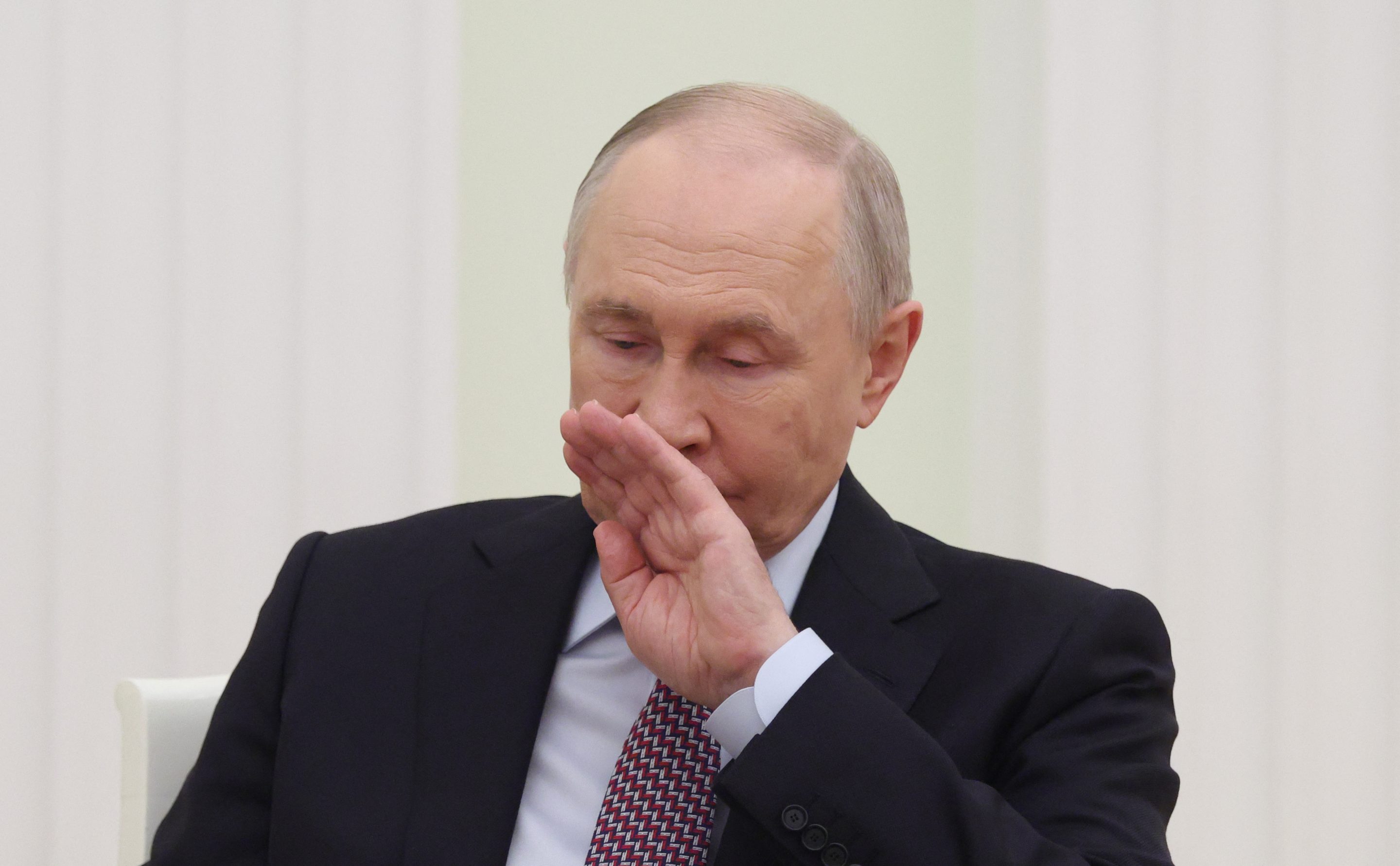
The Kremlin-aligned Russian Creditors Association recently sounded alarms of a possible systemic banking crisis by October 2026 if bad loans hit 10% of total assets and depositor withdrawals intensify. Non-performing loans already climbed to about RUB 2.3 trillion by October 2025, up 60% from the start of the year. The Bank of Russia flagged digital asset defaults as a growing concern with a corporate bad debt surge expected in Q3 and Q4. President Putin acknowledged economic strains in April, pointing to soaring interest rates and a Q1 budget deficit of $58.6 billion largely due to halved oil tax revenues. However, easing U.S. sanctions and conflicts in Iran may provide some breathing room.
Looking Ahead: Risks Remain Elevated
Despite recent interest rate cuts, experts anticipate the pressure on corporate defaults will persist. The RUB 4 trillion debt maturing this year looms large. Market watchers will be closely monitoring central bank actions, non-performing loan ratios edging beyond 5-7%, and rising credit events in the second quarter for signs of systemic risk. Significant deposit outflows or if more than 10% of corporate debts undergo restructuring could trigger wider financial instability. Ripple effects on the ruble and Europe’s energy-linked exposure add complexity to the outlook.
In short, Russia’s debt market faces a pivotal crossroads in 2026. Investors and policymakers alike must stay vigilant to shifts in credit risk and macroeconomic dynamics, as unchecked default waves threaten deeper cracks in the nation’s economic foundation.