



 |
| Gold V.1.3.1 signal Telegram Channel (English) |
U.S. Faces a Decade-Long ‘Learning Recession’ Threatening Growth and Productivity
2026-05-23 @ 13:03
The Hidden Crisis: America’s Decade-Long Learning Recession
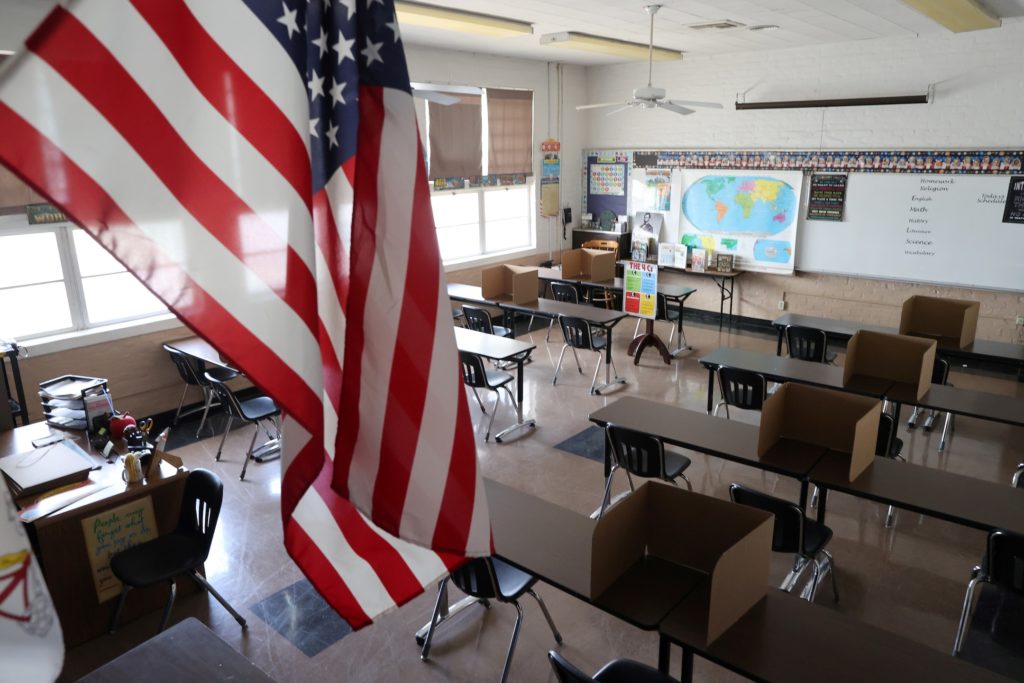
Have you noticed how student test scores have been fluctuating lately? Turns out, the decline in U.S. K‑12 reading and math scores didn’t start with the pandemic—it quietly began back in 2013, and it’s been dragging on ever since. A fresh report from Harvard, Stanford, and Dartmouth calls this a “learning recession,” spanning seven years of pre-pandemic declines.
By examining state test results alongside NAEP benchmarks, the study found that over 80% of districts saw reading scores drop, and around 70% saw math scores fall. Surprisingly, the annual decline in reading before COVID was about the same magnitude as during the pandemic years. Why? The report points to several culprits: the rollback of the No Child Left Behind accountability rules, skyrocketing smartphone and social media use among kids, chronic teacher shortages, and persistent absenteeism.
Market & Economic Ramifications: Impact on Growth and Productivity
Looking broadly, these learning gaps are no small matter. They predict weaker future labor productivity, stunted potential GDP growth, and lower lifetime earnings for today’s students. Past OECD and U.S. research link sustained drops in test scores to shaving off multiple tenths of a percent from long-term annual GDP growth, which sounds minor but compounds drastically over decades. Plus, the uneven downturn across districts means some regions will likely face deeper economic challenges, widening income and employment gaps and placing uneven pressure on state tax bases.
In the stock market, education services and EdTech companies stand poised for growth. With federal and state funds flowing to reverse learning losses, demand surges for high-quality tutoring, literacy and math programs, curriculum platforms, and assessment tools. Firms investing in evidence-based early-literacy initiatives, teacher training, and AI-powered instruction are potentially positioned to benefit—though policy, funding, and implementation will be decisive.
Meanwhile, high-skill sectors like tech, healthcare, and advanced manufacturing might grapple with a weaker talent pipeline, increasing wage pressures and intensifying competition for qualified workers. This could boost corporate spending on trainings, reskilling, and automation technologies. Regions lagging in education performance might see slower income growth, posing challenges to local consumer demand and service industries. Conversely, stronger states may attract more investment and skilled migration, fueling a stark regional divide.
Public Finance & Long-Term Fiscal Risks
On the public finance front, states and municipalities face pressure to maintain or increase spending on early literacy, tutoring, teacher recruitment, and mental health support. These priorities might strain budgets and increase bond issuance. If learning losses remain unaddressed, the downstream effect could be slower tax revenue growth, posing credit quality risks particularly for already stretched sub-sovereign borrowers.
Foreign exchange and commodity markets show no immediate reaction, but over time, lagging educational outcomes threaten America’s human-capital edge—a slow-burning threat to U.S. global economic competitiveness.
Recent Developments and What to Watch
The May release of this striking report caught major media attention, highlighting the severe pre-pandemic slide with reading and math scores down in most districts. Encouragingly, some states are starting to turn the tide—implementing policies that mandate third-grade reading proficiency, adopting structured phonics-based curricula informed by the “science of reading,” and expanding teacher coaching and intervention programs.
Policy debates now focus on reinforcing accountability systems, limiting smartphone and social media use in schools, and expanding successful recovery programs using remaining federal COVID education funds and fresh state initiatives.
Key areas to monitor include new state legislation on early-literacy standards and testing, the durability of post-pandemic education budgets, and the real-world impact of interventions over the next 2 to 5 years as reflected in state and NAEP assessment results. Labor market signals like college readiness, postsecondary enrollment, and employer-reported skill shortages will further measure the economic cost of the learning recession and the benefits of recovery efforts.