








 |
| Gold V.1.3.1 signal Telegram Channel (English) |
Iran Conflict Pushes U.S. Gas Prices Up 38%, Squeezing Consumer Budgets and Shifting Spending Habits
2026-06-09 @ 13:02
Fuel Price Surge Pressures U.S. Consumers Amid Iran Conflict
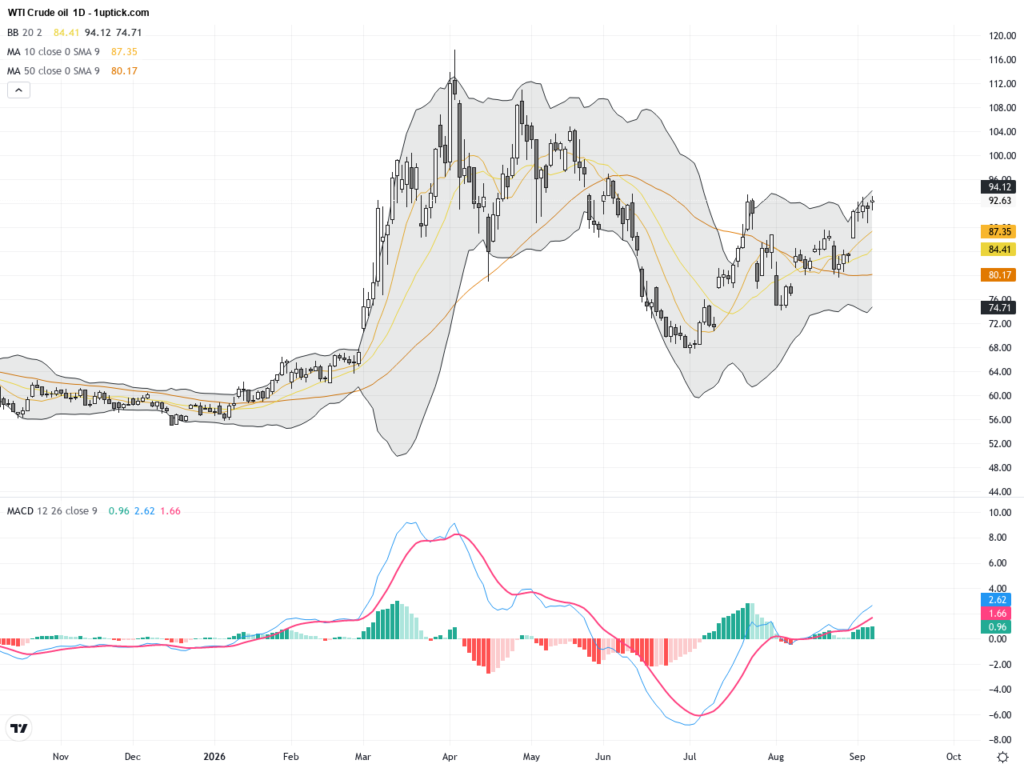
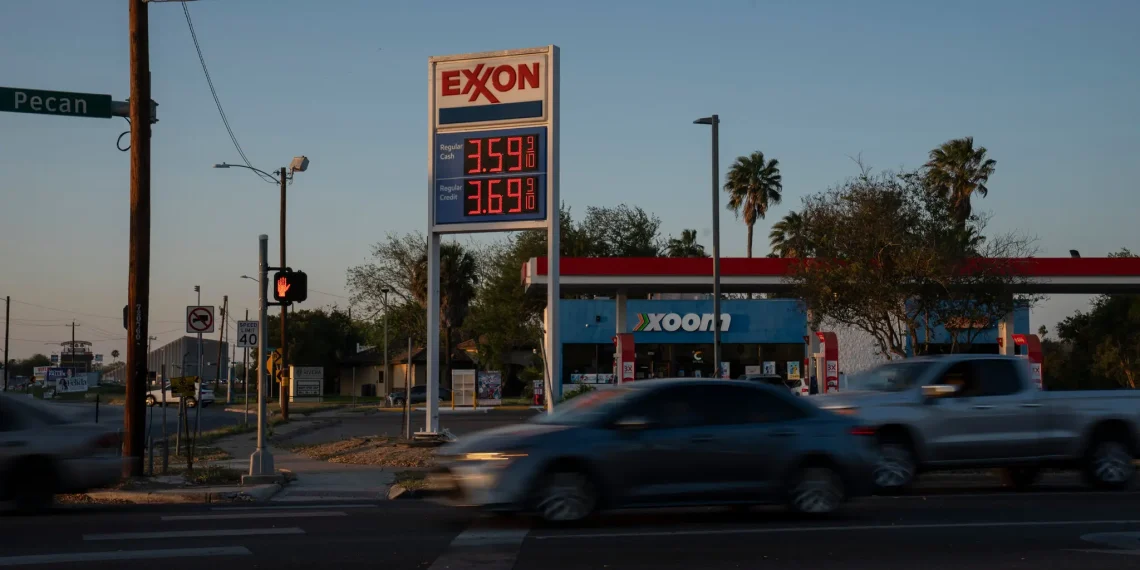
The conflict in Iran has triggered a sharp spike in crude and gasoline prices, creating a fresh financial burden for U.S. households. Over the past two weeks, the national average gas price has surged by roughly 38%, with many regions, especially coastal and urban areas, seeing pump prices hover around or above $3.50 per gallon. This jump in fuel costs is starting to reshape how Americans spend their money.
Despite headline inflation maintaining a relatively steady pace at about 2.4% year-on-year, this rapid increase in energy costs is quietly squeezing real disposable income—meaning people have less spending power for everything else. Consumers are beginning to make tough choices, cutting back on non-essential expenses like travel, dining out, and durable goods, and gravitating toward discounts and promotions.
Retailers and service providers report notably higher price sensitivity among customers. Lower-income households seem especially impacted, with credit usage rising as families stretch budgets tighter. The inflation story thus far hasn’t exploded beyond energy, but the pressure is very real at the household level.
Market Implications and Economic Ripples
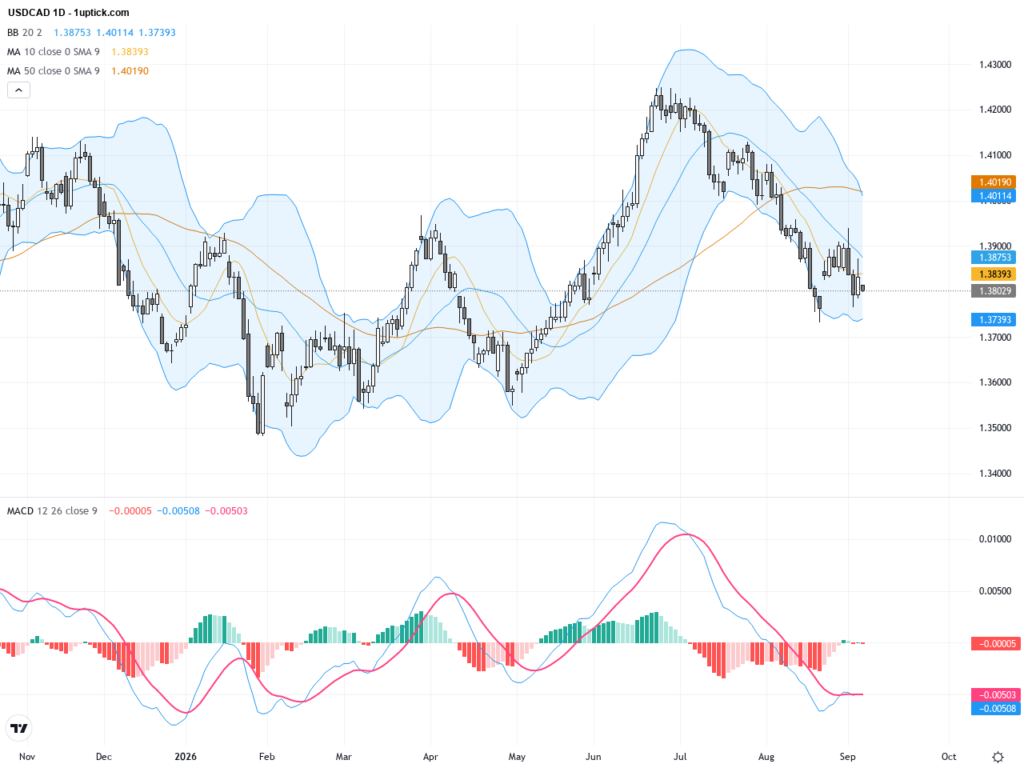
From a market perspective, the energy price shock is fueling volatility in the dollar and other currencies linked to oil. The dollar’s strength remains partly tethered to consumer spending resilience; if elevated fuel costs start denting consumption more deeply, the Federal Reserve may opt to keep monetary policy restrictive for longer.
Geopolitical risk currently underpins crude oil prices, which in turn drive pump price increases that ripple through transportation and goods production costs. This squeeze hits energy-heavy sectors’ margins while benefiting upstream energy companies and oilfield services. Conversely, airlines, logistics, and trucking face rising expenses, challenging their profitability.
What to Watch Next: Consumer Resilience and Policy Signals
Investors and policymakers will closely monitor how the Iran conflict evolves, especially any events threatening oil shipping routes or production infrastructure, as these could intensify price risks and further pressure U.S. household finances.
High-frequency data on card spending, retail sales (excluding gasoline), auto sales, and travel bookings will provide early clues on whether the current reshuffling of budgets signals a broader consumer slowdown or just a tactical adjustment.
The Fed’s upcoming inflation reports and communications are critical. Should higher energy prices translate into a second wave of core services inflation, it might push the Fed to prolong its tightening cycle, adding complexity to financial markets. Equity investors should assess consumer-facing firms’ ability to pass on costs or benefit from shift-to-value spending, while credit markets should watch for rising stress in subprime consumer credit and lower-tier retail and transport sectors.
Overall, the Iran-driven fuel price surge is reshaping the financial landscape for American consumers. Spending patterns are changing fast, market volatility is looming, and caution alongside careful observation remains the smartest stance for now.