



 |
| Gold V.1.3.1 signal Telegram Channel (English) |
How to Analyze Forex Market Trends Using Technical and Fundamental Analysis
2026-06-15 @ 00:03
How to Analyze Forex Market Trends Using Technical and Fundamental Analysis
Successful forex trading requires a dual-approach methodology that combines both technical chart analysis and fundamental economic insights. This guide provides a systematic framework for analyzing currency pairs with professional-grade precision, helping you develop a comprehensive market intelligence strategy that institutional traders rely upon.
Step 1: Establish Your Economic Calendar Framework
Begin by setting up a structured economic calendar that tracks key data releases across major economies. Focus on high-impact indicators including central bank interest rate decisions, Non-Farm Payrolls (NFP), Consumer Price Index (CPI), Gross Domestic Product (GDP), and Purchasing Managers’ Index (PMI) readings. Subscribe to reliable data sources such as Bloomberg, Reuters, or specialized forex intelligence platforms to receive real-time alerts. Understanding the scheduled timing of these releases allows you to anticipate volatility periods and position accordingly.
Step 2: Conduct Fundamental Currency Analysis
Evaluate the macroeconomic health of currency pairs by comparing relative economic strength between nations. Analyze interest rate differentials, as higher-yielding currencies typically attract capital flows. Assess trade balance data, employment figures, and inflation trends. Monitor central bank communications and forward guidance statements, as monetary policy divergence creates significant trading opportunities. Document your findings in a structured analysis template for consistent decision-making.
Step 3: Implement Multi-Timeframe Technical Analysis
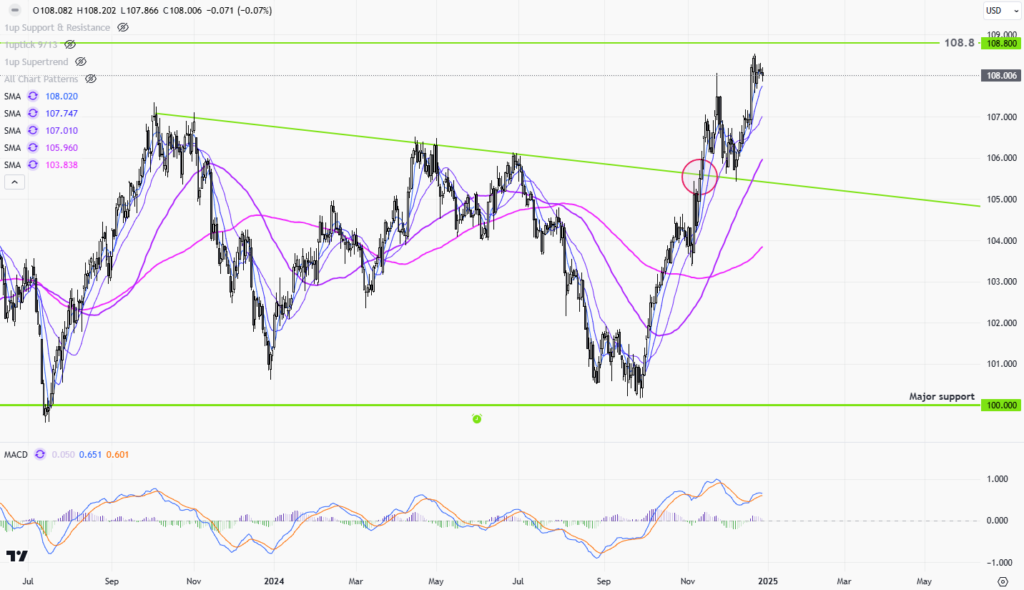
Apply technical analysis across multiple timeframes to identify trend alignment. Start with weekly charts to determine the primary trend direction, then drill down to daily and 4-hour charts for entry timing. Utilize key technical indicators including Moving Averages (50-day and 200-day), Relative Strength Index (RSI), MACD, and Fibonacci retracement levels. Identify critical support and resistance zones where institutional orders typically cluster.
Step 4: Correlate Technical Patterns with Fundamental Catalysts
Integrate your technical and fundamental analyses by identifying confluence zones where chart patterns align with upcoming economic events. For example, a bullish technical breakout setup gains higher probability when supported by positive fundamental catalysts such as hawkish central bank rhetoric. This correlation approach significantly improves trade success rates and provides clearer risk-reward frameworks.
Step 5: Develop Risk Management Protocols
Establish strict position sizing rules based on your account equity, typically risking no more than 1-2% per trade. Set stop-loss orders at technically significant levels rather than arbitrary price points. Calculate risk-reward ratios before entry, targeting minimum 1:2 ratios for trend-following strategies. Maintain a trading journal documenting your analysis rationale, entry/exit points, and outcome reviews for continuous improvement.
Step 6: Monitor Intermarket Correlations
Track correlations between forex pairs and related asset classes including commodities, bonds, and equity indices. For instance, AUD/USD often correlates with iron ore prices, while USD/JPY frequently moves with US Treasury yields. Understanding these relationships provides additional confirmation signals and helps identify potential divergences that may signal trend reversals.
Insider Insight: Professional traders at major financial institutions rarely rely on a single analysis method. The most consistent performers develop systematic approaches that weight fundamental analysis for directional bias and technical analysis for precise entry and exit timing. Additionally, pay close attention to market positioning data such as the COT (Commitment of Traders) report, which reveals institutional sentiment shifts before they manifest in price action. Remember that market intelligence is only valuable when combined with disciplined execution and robust risk management protocols.