




 |
| Gold V.1.3.1 signal Telegram Channel (English) |
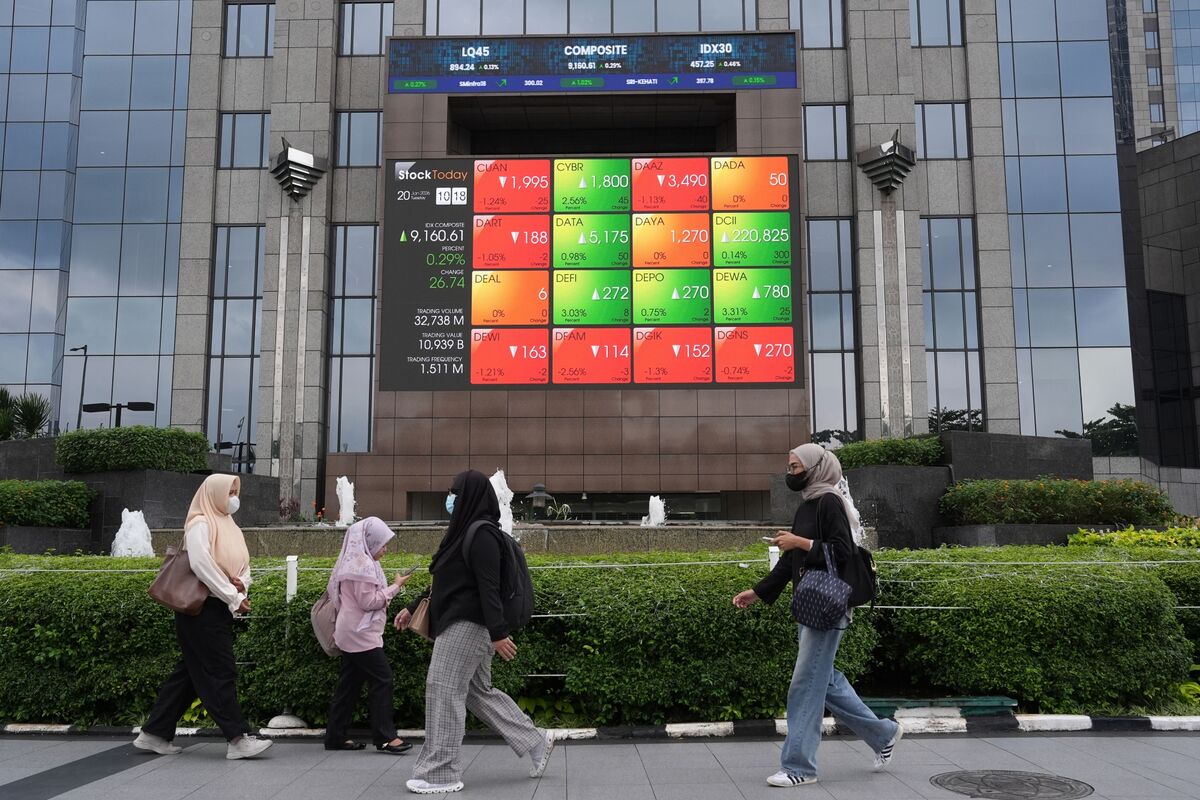
MSCI Holds Indonesia’s Emerging Market Status For Now, But Downgrade Risks Loom
2026-06-25 @ 13:01
MSCI Gives Indonesia a Temporary Breather in Emerging Market Status—but Challenges Remain
Indonesia’s stock market has faced intense pressure since early this year, triggered by MSCI’s warnings about transparency and market structure concerns that threatened to demote the country from emerging to frontier market status. The latest update pushes that decision to November, keeping Indonesia in the emerging market camp—for now. But this extension is more of a watchful pause than a clean bill of health, leaving investors cautious.
Back in January, MSCI froze changes to Indonesia’s index weights, flagging issues around opaque ownership structures and insufficient free-float availability. The fallout was severe: foreign investors pulled back sharply, wiping out roughly $80 billion in market capitalization, one of the steepest corrections in the region in recent memory. Since then, Indonesian equities have struggled to regain momentum, with index-tracking funds hesitant to increase exposure and some active managers trimming their positions ahead of the looming review.
In response, Indonesian authorities and the stock exchange have enacted a wave of regulatory reforms aimed at boosting disclosure requirements, improving free-float conditions, and tightening market supervision. These reforms aim squarely at MSCI’s concerns and are now under the investor spotlight. Yet analysts caution that without clear, enforceable progress by the November deadline, the risk of a downgrade remains very real.
Ripple Effects on Markets and Currency
The protracted uncertainty means capital flows remain subdued. While avoiding an immediate downgrade reduces shock risk, many index funds are likely to hold back on increasing their Indonesian equity bets, limiting liquidity and price support. If a downgrade does happen, estimates suggest between $10 to $13 billion could exit Indonesian equities, squeezing valuations further.
The Indonesian rupiah hasn’t escaped unscathed either. Intermittent pressure from equity outflows and risk sentiment fluctuations have kept the rupiah on edge. Though the latest MSCI decision offers some near-term relief, the rupiah remains vulnerable, especially if US interest rates climb or global risk appetite wanes.
In contrast, Indonesia’s government bond market has shown resilience. Investment-grade ratings and steady macro fundamentals underpin bond demand, though headline risks related to MSCI developments and foreign positioning keep volatility risks on the radar.
Commodities and the Real Economy: Stability Amid Uncertainty
Indonesia continues to be a global powerhouse for nickel, coal, and palm oil production, with persistent global demand supporting the wider economy. However, equity market instability and rising risk premiums could raise equity financing costs for resource companies—especially those investing in capital-intensive downstream projects tied to electric vehicle metals and refining.
What to Watch: November and Beyond
The pivotal question is whether Indonesian regulators can effectively implement reforms that enhance ownership transparency, free-float quality, and investor protections before MSCI’s next review. The verdict in November will depend heavily on tangible enforcement and compliance progress.
Foreign investor behavior, particularly among index funds and active emerging market managers, will offer early clues to market sentiment. Continued outflows or portfolio adjustments away from Indonesian equities could signal a heightened downgrade risk.
Global macro factors—US interest rates trajectory, sentiment toward emerging markets, and China’s economic performance—also intersect with this local story. Meanwhile, domestic policy moves by the new Indonesian administration regarding capital controls, market openness, or resource nationalism will have significant bearing on foreign investor confidence and MSCI’s assessment.
In sum, Indonesian markets are currently navigating a high-stakes balancing act: meaningful reform progress may spark relief rallies; failure or political resistance could trigger further selling and downgrade consequences. Investors should watch the unfolding policy moves closely and remain cautious, prepared for volatility as the November MSCI review approaches.