






 |
| Gold V.1.3.1 signal Telegram Channel (English) |
How to Build a Profitable Forex Trading Strategy Using Market Intelligence Data
2026-06-30 @ 00:03
How to Build a Profitable Forex Trading Strategy Using Market Intelligence Data
In today’s volatile currency markets, successful forex trading requires more than intuition—it demands a systematic, data-driven approach. This comprehensive guide will walk you through building a robust trading strategy that combines market intelligence, technical analysis, and risk management principles used by professional traders and institutional investors.
step_num: 1, heading: Establish Your Trading Foundation and Goals
Before diving into market analysis, define your trading objectives clearly. Determine your risk tolerance level (conservative, moderate, or aggressive), preferred trading timeframe (scalping, day trading, swing trading, or position trading), and realistic profit targets. Set specific, measurable goals such as a monthly return percentage or maximum drawdown limit. Document these parameters as they will guide all subsequent decisions in your strategy development.
step_num: 2, heading: Set Up Your Market Intelligence Infrastructure
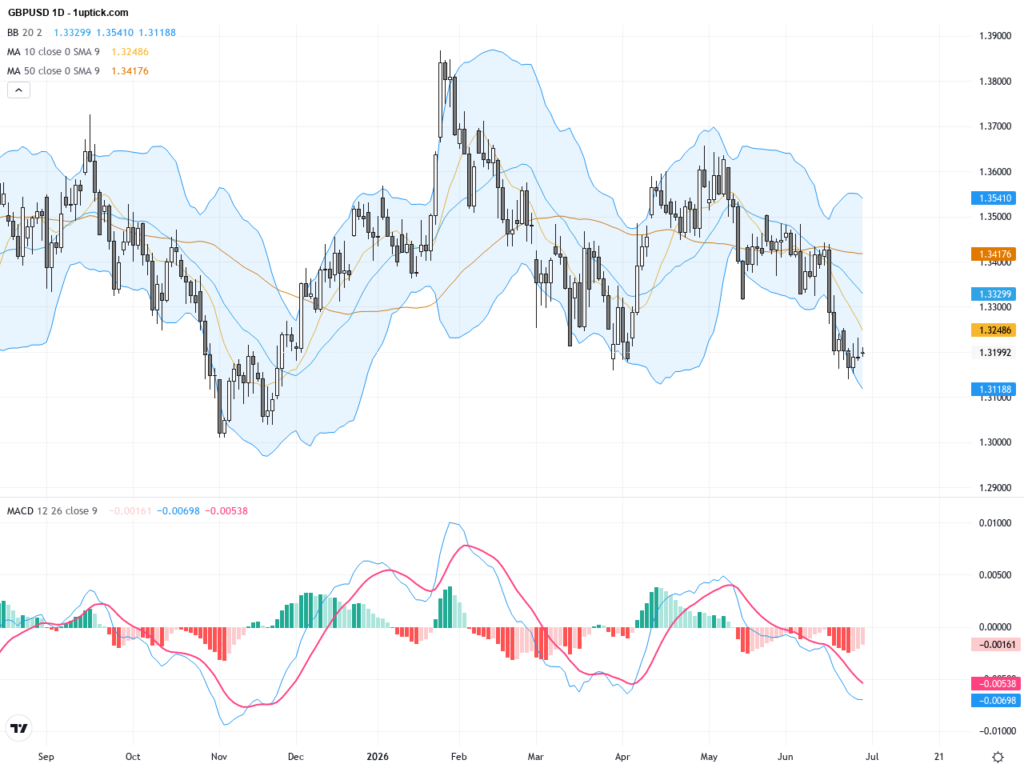
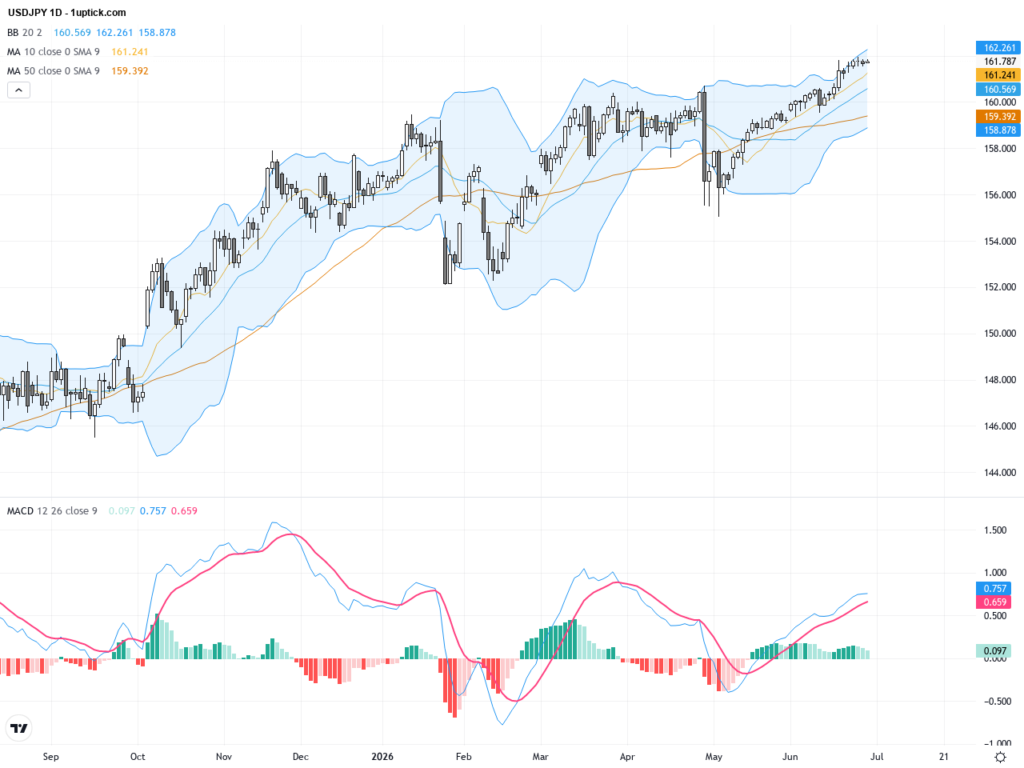
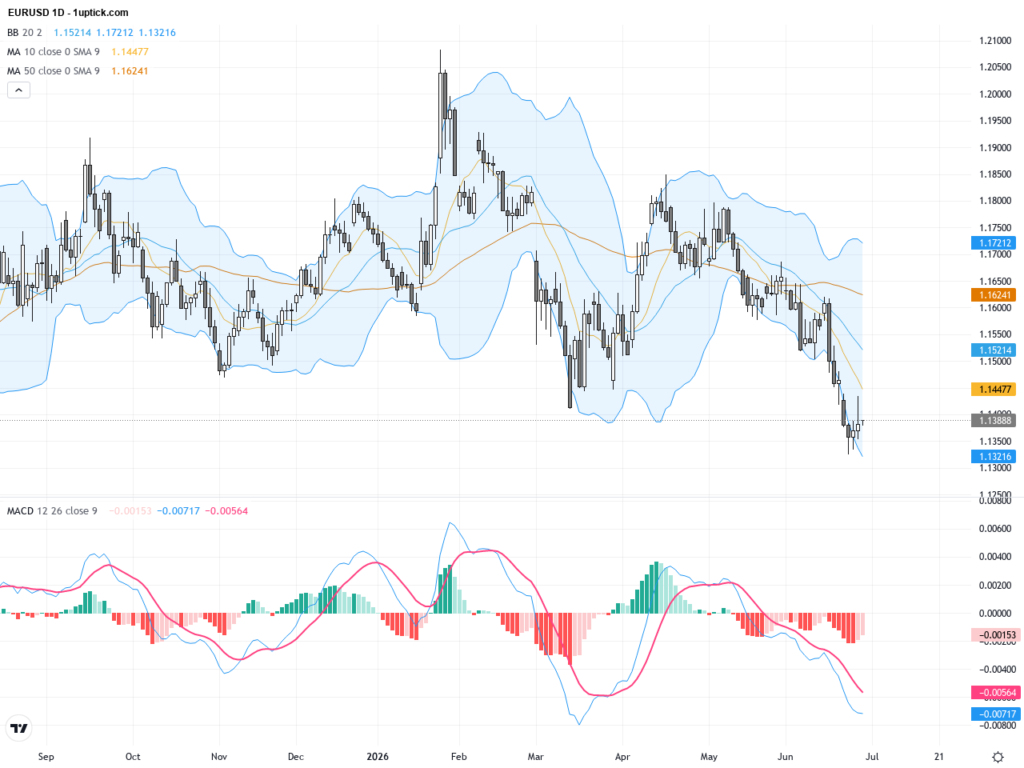
Subscribe to reliable market intelligence platforms that provide real-time forex data, economic calendars, and sentiment analysis tools. Essential components include: a professional charting platform (MetaTrader 4/5, TradingView), economic news feeds covering central bank announcements and GDP releases, COT (Commitment of Traders) reports for institutional positioning data, and currency correlation matrices. Ensure your data sources cover major currency pairs (EUR/USD, GBP/USD, USD/JPY) as well as commodity currencies (AUD, CAD, NZD) for comprehensive market coverage.
step_num: 3, heading: Master Fundamental Analysis for Currency Valuation
Develop expertise in interpreting macroeconomic indicators that drive currency movements. Focus on key data points: interest rate differentials between central banks, inflation rates (CPI, PPI), employment figures (NFP, unemployment rates), GDP growth comparisons, and trade balance data. Create a systematic approach to analyze how these factors affect currency strength. For example, when the Federal Reserve signals hawkish monetary policy while the ECB remains dovish, this typically strengthens USD against EUR.
step_num: 4, heading: Implement Technical Analysis Framework
Build a technical analysis system using multiple timeframe analysis. Start with higher timeframes (weekly, daily) to identify the primary trend, then move to lower timeframes (4-hour, 1-hour) for entry precision. Incorporate these essential tools: trend identification indicators (moving averages, MACD), momentum oscillators (RSI, Stochastic), support and resistance levels, and price action patterns (candlestick formations, chart patterns). Backtest your technical setups across different market conditions to validate their effectiveness.
step_num: 5, heading: Develop Entry and Exit Rules
Create precise, rule-based criteria for trade execution. Your entry rules should combine fundamental alignment (trading in the direction supported by economic data) with technical confirmation (price action signals at key levels). Define specific exit strategies including: profit targets based on risk-reward ratios (minimum 1:2), stop-loss placement using ATR (Average True Range) or structural levels, and trailing stop mechanisms to protect profits. Document these rules in a trading plan that eliminates emotional decision-making.
step_num: 6, heading: Implement Risk Management Protocols
Risk management is the cornerstone of sustainable trading success. Apply the 1-2% rule—never risk more than 1-2% of your total capital on any single trade. Calculate position sizes using this formula: Position Size = (Account Risk Amount) / (Stop Loss in Pips × Pip Value). Diversify across uncorrelated currency pairs and avoid overexposure to a single currency. Implement daily and weekly loss limits to prevent catastrophic drawdowns during adverse market conditions.
step_num: 7, heading: Execute, Monitor, and Optimize
Begin live trading with smaller position sizes to validate your strategy in real market conditions. Maintain a detailed trading journal recording every trade’s rationale, execution, and outcome. Review performance metrics weekly: win rate, average risk-reward ratio, maximum drawdown, and Sharpe ratio. Use this data to identify strategy weaknesses and optimize parameters. Continuously update your approach based on changing market dynamics and central bank policy shifts.
Insider Insight: Professional forex traders understand that consistency trumps occasional large wins. The most successful strategies often have modest win rates (50-60%) but maintain strict risk-reward discipline. Additionally, pay close attention to market liquidity cycles—the London-New York overlap (8:00-12:00 EST) offers optimal trading conditions for major pairs. Finally, central bank forward guidance has become increasingly important; learning to interpret policy statements and dot plots can provide significant edge in anticipating currency movements before they occur.