







 |
| Gold V.1.3.1 signal Telegram Channel (English) |
How to Analyze Forex Market Data for Informed Trading Decisions
2026-06-03 @ 00:04
How to Analyze Forex Market Data for Informed Trading Decisions
In today’s volatile currency markets, successful traders distinguish themselves through systematic data analysis and disciplined decision-making. This guide provides a structured framework for analyzing forex market data, combining fundamental insights with technical precision to enhance your trading outcomes.
Step 1: Establish Your Market Intelligence Framework
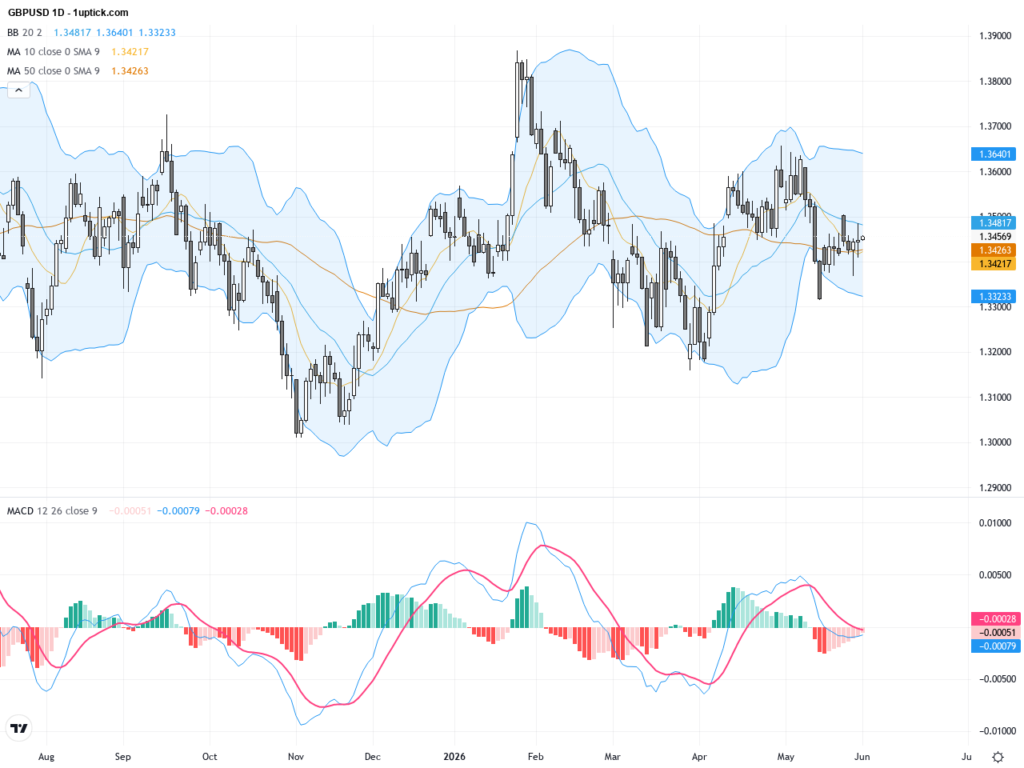
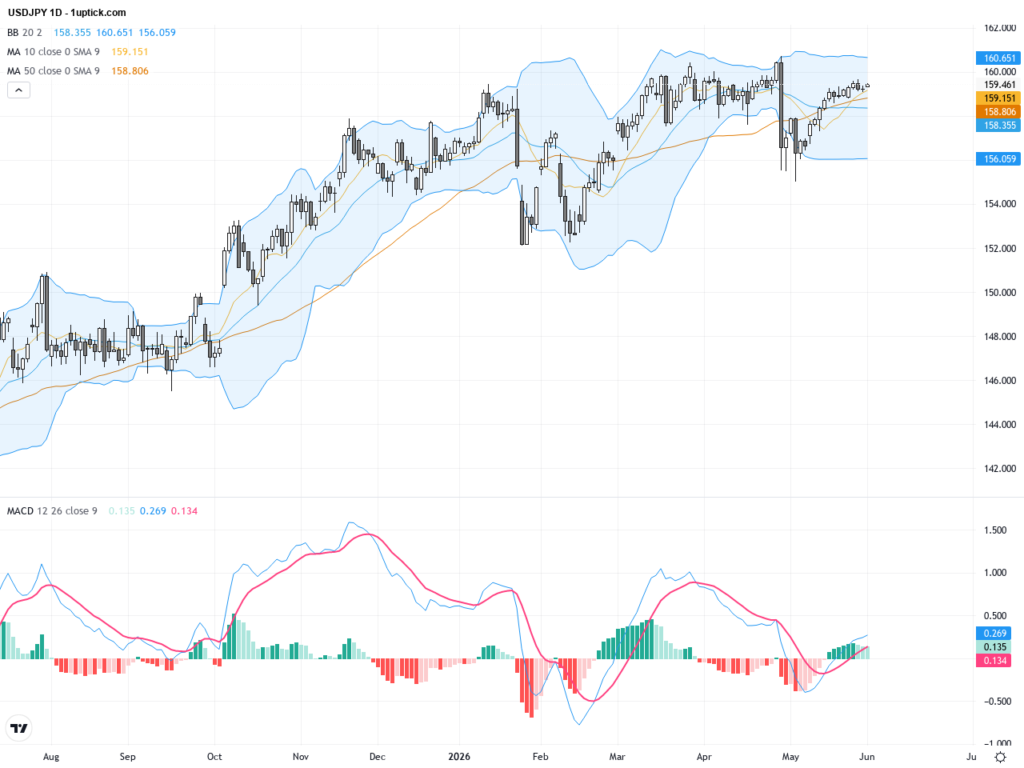
Begin by setting up a comprehensive market monitoring system. Subscribe to reliable economic calendars that track central bank announcements, employment data releases, and GDP reports. Create a watchlist of currency pairs aligned with your trading strategy, focusing on major pairs (EUR/USD, GBP/USD, USD/JPY) for liquidity and tighter spreads. Utilize premium data feeds that provide real-time price action and institutional flow data.
Step 2: Conduct Fundamental Analysis
Assess macroeconomic indicators that drive currency valuations. Monitor interest rate differentials between central banks, as these significantly influence carry trade dynamics. Analyze inflation trends using CPI and PPI data to anticipate monetary policy shifts. Review trade balance figures and capital flow reports to understand underlying demand for currencies. Cross-reference geopolitical developments that may trigger risk-on or risk-off sentiment.
Step 3: Apply Technical Analysis Tools
Implement a multi-timeframe analysis approach, examining daily charts for trend direction and 4-hour or 1-hour charts for entry timing. Identify key support and resistance levels using historical price action and Fibonacci retracements. Apply momentum indicators such as RSI and MACD to confirm trend strength and potential reversals. Monitor volume patterns and volatility measures like ATR to optimize position sizing.
Step 4: Integrate Sentiment Analysis
Gauge market positioning through COT (Commitment of Traders) reports to understand institutional sentiment. Track retail sentiment indicators from major brokers to identify potential contrarian opportunities. Monitor options market data, including put/call ratios and implied volatility, for insights into expected price movements. Analyze social sentiment and news flow using AI-powered aggregation tools.
Step 5: Develop Risk Management Protocols
Calculate appropriate position sizes based on account equity and predefined risk tolerance (typically 1-2% per trade). Set stop-loss levels based on technical invalidation points rather than arbitrary pip distances. Establish take-profit targets using risk-reward ratios of at least 1:2. Create contingency plans for high-impact news events, including reducing exposure or widening stops.
Step 6: Execute and Document Your Analysis
Maintain a detailed trading journal recording your analysis rationale, entry/exit points, and emotional state. Review trade outcomes weekly to identify patterns in successful and unsuccessful decisions. Refine your analytical framework based on performance data, eliminating ineffective indicators and strengthening proven methodologies.
Insider Insight: Professional traders at institutional desks emphasize that consistent profitability stems not from predicting market direction, but from maintaining a probabilistic edge through disciplined analysis and risk management. Focus on process quality rather than individual trade outcomes, and continuously adapt your analytical framework to evolving market conditions. The most successful forex analysts combine quantitative rigor with qualitative judgment, understanding that markets ultimately reflect human psychology and institutional behavior patterns.