

 |
| Gold V.1.3.1 signal Telegram Channel (English) |
South Korea’s Export Boom in May Fuels Hawkish Bank of Korea Outlook
2026-06-01 @ 13:02
Semiconductors and AI Drive South Korea’s Export Surge, Bolstering Economic Outlook
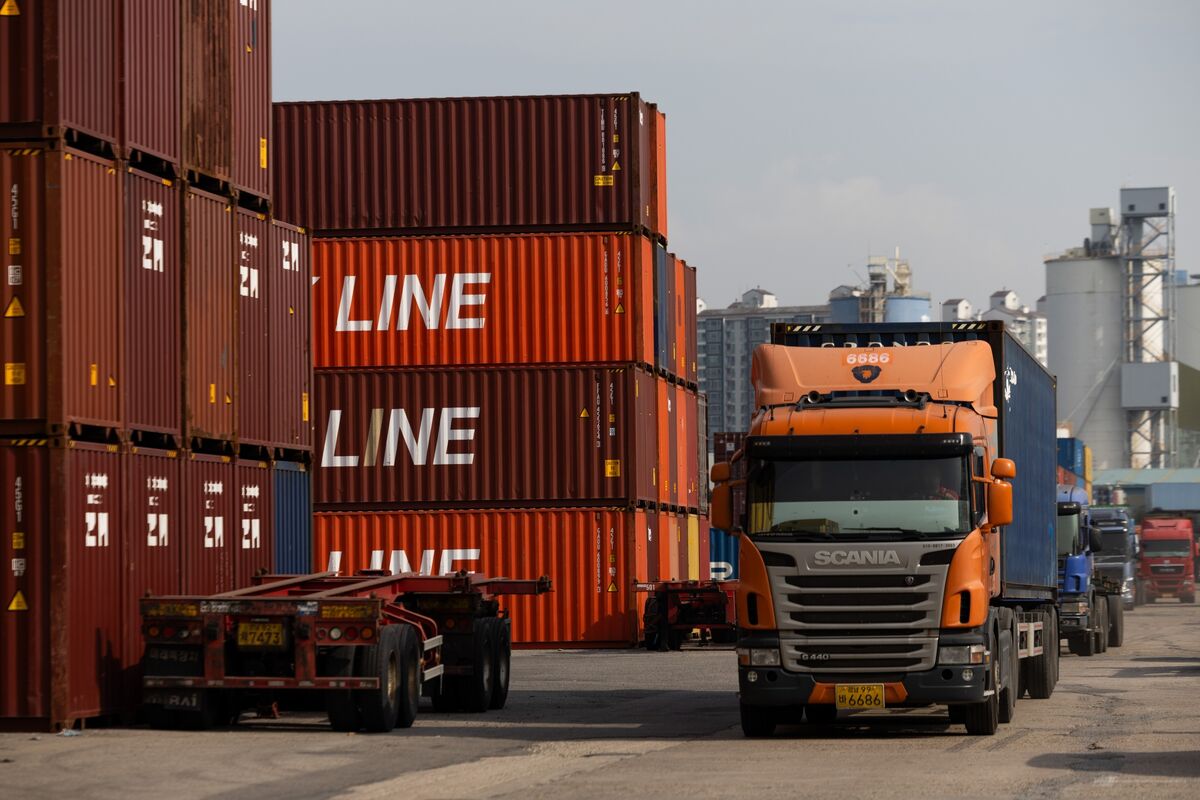
South Korea’s export engine kept roaring in May, marking the 12th straight month of growth. The main driver? A semiconductor super-cycle combined with soaring demand linked to artificial intelligence (AI). May’s exports approached $90 billion, with semiconductor shipments surpassing $30 billion a month, anchoring the economy’s rebound firmly on robust tech demand.
The Bank of Korea recently raised its 2026 GDP growth forecast to 2.6%, boosted by this chip-powered external momentum. Think tanks now project exports will swell roughly 30% in 2026, reaching about $924 billion — a record high. If this pace continues, South Korea could realistically overtake Japan to rank among the world’s top four exporters.
Market Ripple Effects From a Stronger Economy
On the FX front, persistent trade surpluses and these record exports underpin a firmer Korean won. Compared with Europe and some emerging Asian economies, South Korea’s strong external balance lowers pressure for near-term monetary easing. This hawkish stance from the Bank of Korea widens interest rate differentials, making KRW assets attractive to investors.
In the bond markets, durable growth and sticky export demand reduce the odds of early rate cuts. The likely “higher-for-longer” policy path puts upward pressure on government bond yields, especially shorter and mid-term maturities. Investors are increasingly pricing in a slower, shallower easing cycle than previous expectations.
Stock market gains are largely confined to the semiconductor and ICT hardware sectors, fueled by AI infrastructure capital investments that are boosting export volumes and pricing power. Yet, non-semiconductor exports lag behind, growing just around 1.7%, as autos, refining, and steel face headwinds. This concentration creates earnings risk if the chip cycle softens.
Geopolitical Risks and the Need for Industry Diversification
While these high-end chip and electronics exports keep global tech supply chains well-stocked, South Korea’s exposure to geopolitical tensions—especially in the Middle East—and increasing US/EU tech-export regulations poses vulnerabilities. Rising energy import costs linked to regional conflict partially offset the export windfall.
Estimates from KIET suggest the AI-driven semiconductor boom adds roughly one percentage point to GDP growth, while the US–Iran crisis subtracts about 0.4 to 0.5 points, highlighting persistent geopolitical uncertainty.
Looking Ahead: Monetary Policy, Industry Balance, and External Variables
Market focus will be on the Bank of Korea’s timing and scale of any eventual rate cuts. Persistent double-digit export expansion and above-trend GDP raise the bar for early monetary easing, suggesting prolonged restrictive policy.
Another critical watchpoint is the concentrated recovery centered on AI-related chips. Any downturn in global AI capital spending or memory chip prices could materially weaken exports and corporate earnings.
Geopolitical and trade-policy shifts remain key downside risks, including Middle East tensions affecting energy prices and shipping, plus ongoing US/EU technology export controls.
Finally, policymakers and investors hope to see non-semiconductor sectors such as autos, machinery, batteries, and green technologies start to close the gap, making South Korea’s export boom more resilient and less volatile.
In sum, South Korea’s export success story, powered by semiconductors and AI, supports a stronger won and hawkish monetary policy in the near term — but watching for industry, geopolitical, and policy risks is crucial for navigating the road ahead.