


 |
| Gold V.1.3.1 signal Telegram Channel (English) |
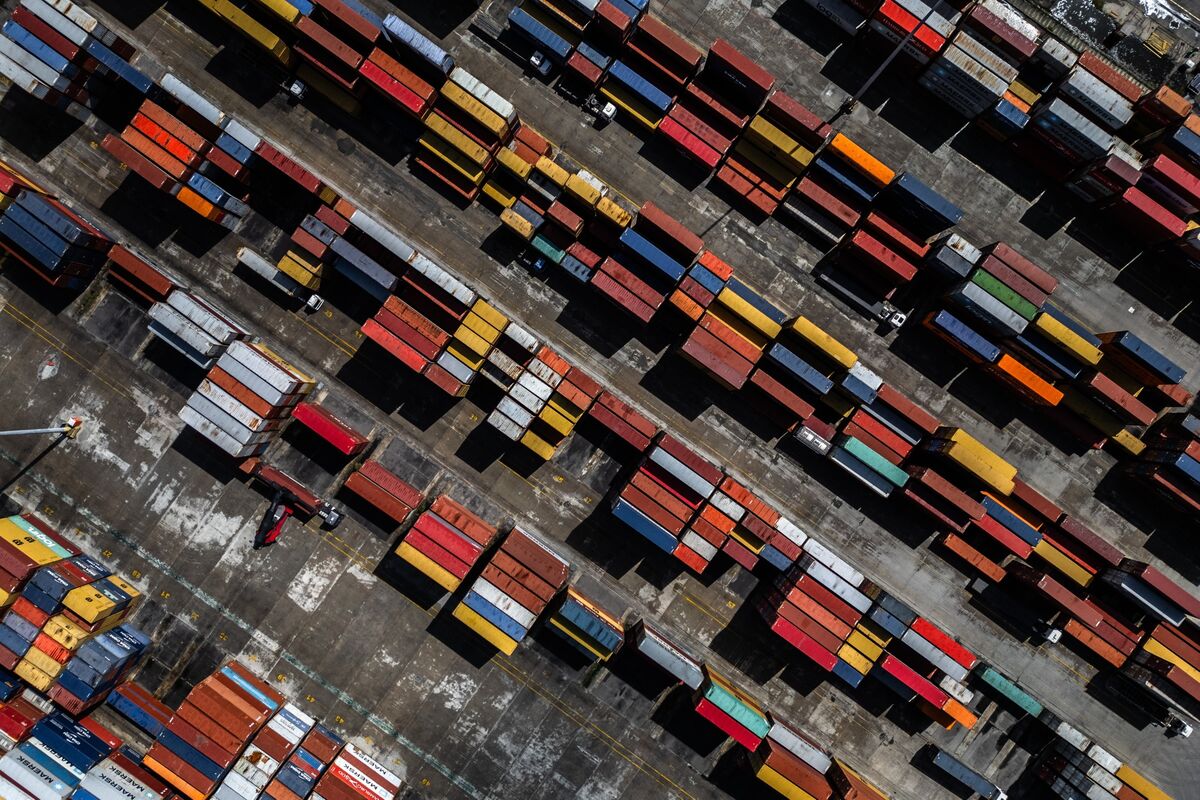
US Slaps 25% Tariffs on Brazil: Trade Tensions Spark Volatility in FX, Commodities & Politics
2026-07-17 @ 13:03
US Hits Brazil with 25% Tariffs: What’s Behind the Move and Market Fallout
The United States has officially rolled out a 25% tariff on most Brazilian imports effective July 22, following a Section 301 probe targeting alleged unfair trade practices including digital trade barriers and illegal deforestation. The sweeping tariff list covers thousands of products, while sparing key supply chain items like coffee, beef, select energy goods, rare earths, and aerospace components.
This trade salvo doesn’t just ratchet up US-Brazil tensions—it also lands smack in the middle of Brazil’s highly charged election season, where President Lula is mobilizing nationalist sentiment to push back against American trade pressure.
Currency Impact: Brazilian Real Under Pressure, Dollar Gains on Uncertainty
According to Brazil’s trade minister, the tariffs cover about 18% of Brazil’s exports to the US, roughly $7 billion, heavily concentrated in industrial and manufactured goods. Reduced export revenue could lend downside pressure on the real, especially in sectors tightly tied to US trade.
For the US dollar, direct macro impact is muted given Brazil’s smaller import share, but increased trade policy uncertainty tends to boost defensive flows toward the greenback during risk-off moments.
Commodity Markets Feel the Ripples; Key Exemptions Cushion Shock
Major Brazilian commodity exports like coffee, beef, oranges, orange juice, and some oil and pig iron products are exempt, softening immediate disruption in global commodity trading.
However, tariffs on sugar, agricultural machinery, paper, steel, and electrical equipment risk tightening regional supply and could offer some price support for these industrial and agri-related commodities, especially given limited alternative sources.
Equities and Bonds: Manufacturing Costs Up, Emerging Markets Shaken
Brazilian export-focused sectors—such as apparel, steel, paper, and machinery—face rising costs entering the US market, squeezing margins and threatening volumes, which could weigh on equity valuations in these industries.
US companies relying on Brazilian inputs in these areas may experience cost pressures unless they successfully reroute supply chains or pass costs downstream.
More broadly, emerging market and Latin American equities might falter on fresh trade war headlines, though exemptions key commodity exports and energy goods temper the shock somewhat.
On the bond front, the tariff move adds to Brazil’s political and external risk premium, potentially widening credit spreads on real-denominated debt and elevating volatility in sovereign and quasi-sovereign USD bonds if growth or fiscal outlooks worsen. Meanwhile, US Treasuries likely gain from safe-haven flows triggered by risk aversion tied to these trade tensions.
Recent Moves and What’s Next
In the past two weeks, the US Trade Representative finalized the tariff action after earlier proposals in June. Brazil’s trade ministry criticized the tariffs as disproportionate, given the US actually runs a trade surplus with Brazil, and hinted at WTO challenges, framing the issue as an external economic blow amid Brazil’s election campaign.
Investors are now watching closely for Brazilian retaliation, WTO disputes, or behind-the-scenes negotiations that might soften tariff impacts. A tit-for-tat escalation would likely heighten volatility in Brazilian real assets and spill over into broader EM risk sentiment.
Crucially, forthcoming Brazilian export data and corporate earnings updates from affected sectors like steel, machinery, apparel, and paper will help quantify the real economic damage and recalibrate market expectations for Brazil’s equities and credit.
Should the tariffs flow through to higher US production or consumer prices, this could temper Federal Reserve policy views and bolster demand for inflation-hedging assets, potentially prompting further tariff exemptions or tweaks.
Finally, political dynamics ahead of Brazil’s elections are a key wildcard. If President Lula leverages external pressures to solidify support, and any incoming government pivots trade, environmental, or digital economy policies to gain tariff relief, this could shape Brazil’s medium-term investment climate significantly.
All eyes remain on how this new chapter in US trade policy unfolds, given it sets a precedent for the administration’s Section 301 strategy and signals potential risks for emerging markets and global supply chains. Staying nimble and informed is critical as markets digest these shifting tides.