







 |
| Gold V.1.3.1 signal Telegram Channel (English) |

US Consumer Confidence Rebounds but Inflation Squeeze Keeps Spending Tense
2026-08-01 @ 13:03
US Consumer Sentiment Sees First Upswing in Months
In July 2026, the University of Michigan’s consumer sentiment index climbed to 55.2, marking its highest level in five months. After hitting record lows in April and May amid soaring inflation and geopolitical concerns, this rebound signals a cautiously improving economic outlook. Yet, cost-of-living pressures remain very much alive, keeping many households feeling squeezed.
Even though inflation continues to outpace wage growth—eroding real incomes—consumer spending hasn’t collapsed. Why? Because many Americans are dipping into savings accumulated over the past few years. Tax refunds are also playing a role, while demand for services like travel and entertainment stays remarkably strong, partly driven by higher-income consumers. This puzzling disconnect between what people say about their financial worries and their actual spending habits aligns with recent Federal Reserve research: Americans report feeling worse off but continue to spend more than pre-pandemic times, particularly boosting retail and service sector earnings.
Market Reactions: Equities, Bonds, and the Dollar
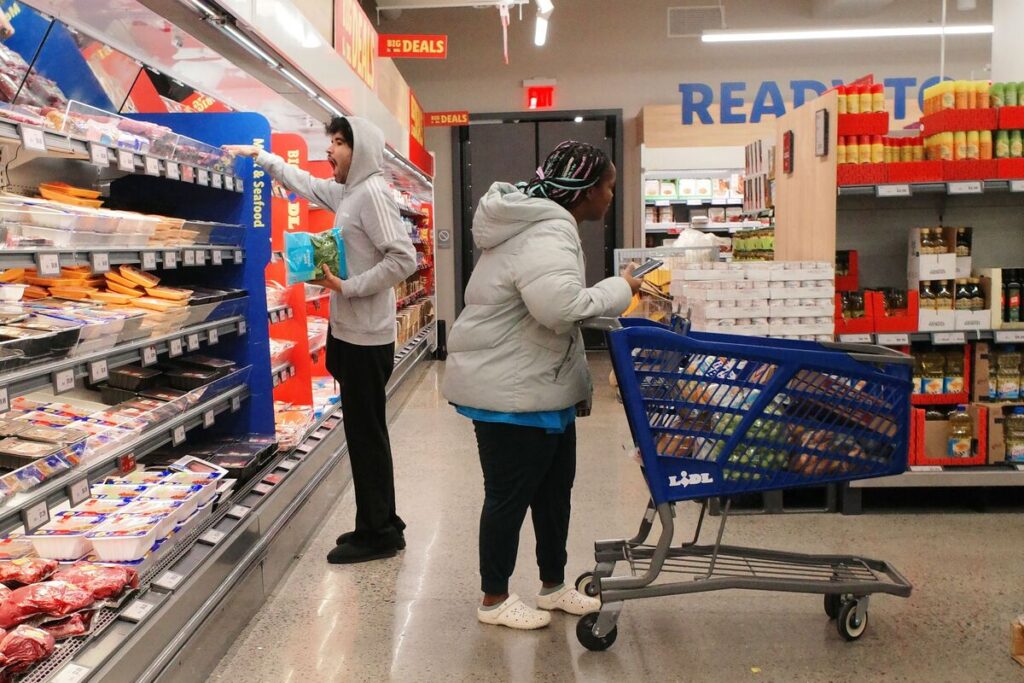
Steady consumer spending is providing a solid lifeline for US consumer-focused equities. Travel companies, entertainment venues, and premium brands are reporting increased activity, mainly from wealthier demographics. On the flip side, lower- and middle-income households, whose wages lag behind inflation, are cutting back on non-essential purchases, putting pressure on mass-market retailers and low-ticket discretionary goods.
In the bond market, resilient consumption reduces fears of an immediate recession, limiting Treasury rallies based on growth worries. Still, the data hints at potential spending slowdowns ahead if consumers start tightening their belts more aggressively, which could influence the Federal Reserve’s future monetary policy decisions.
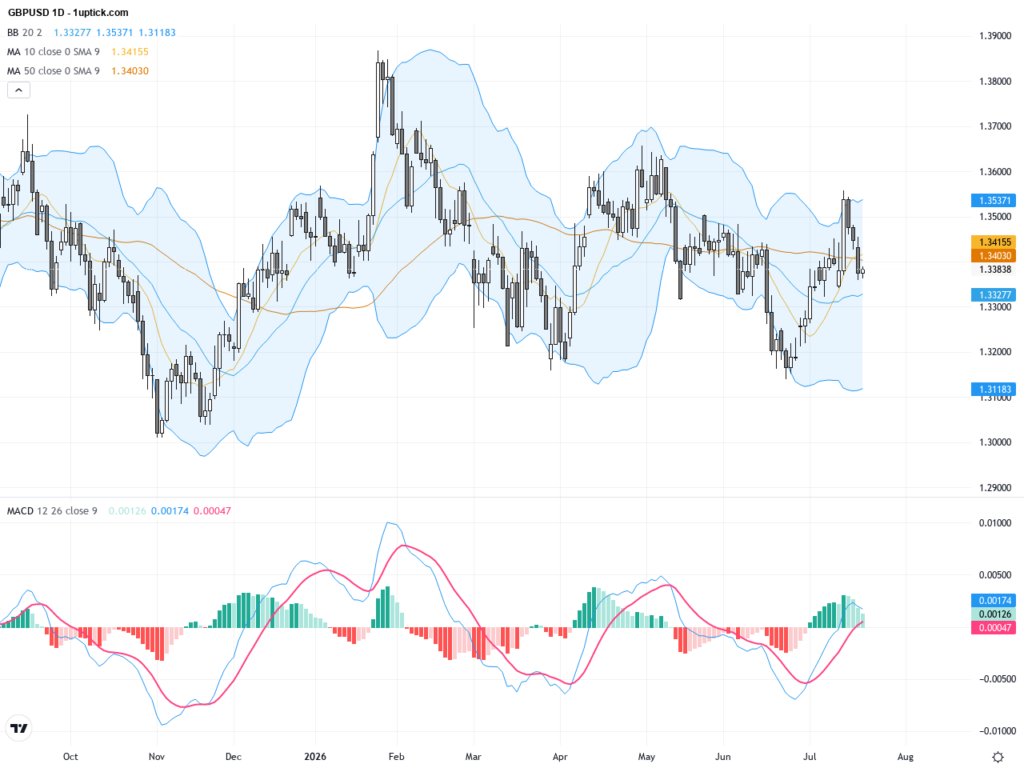
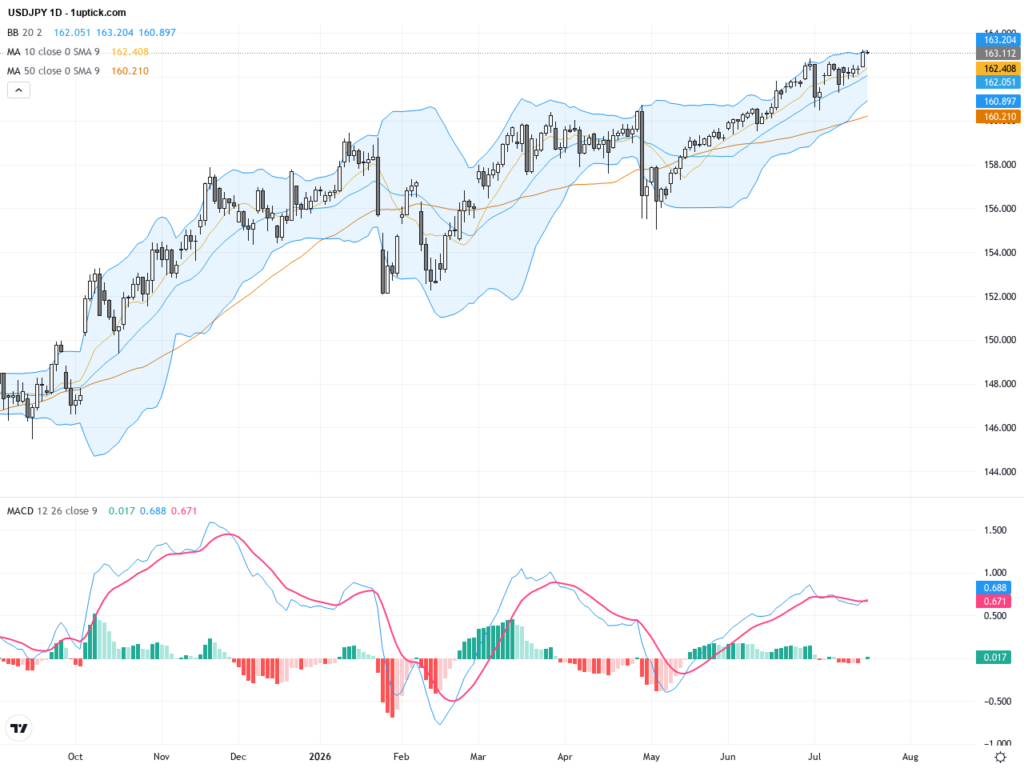
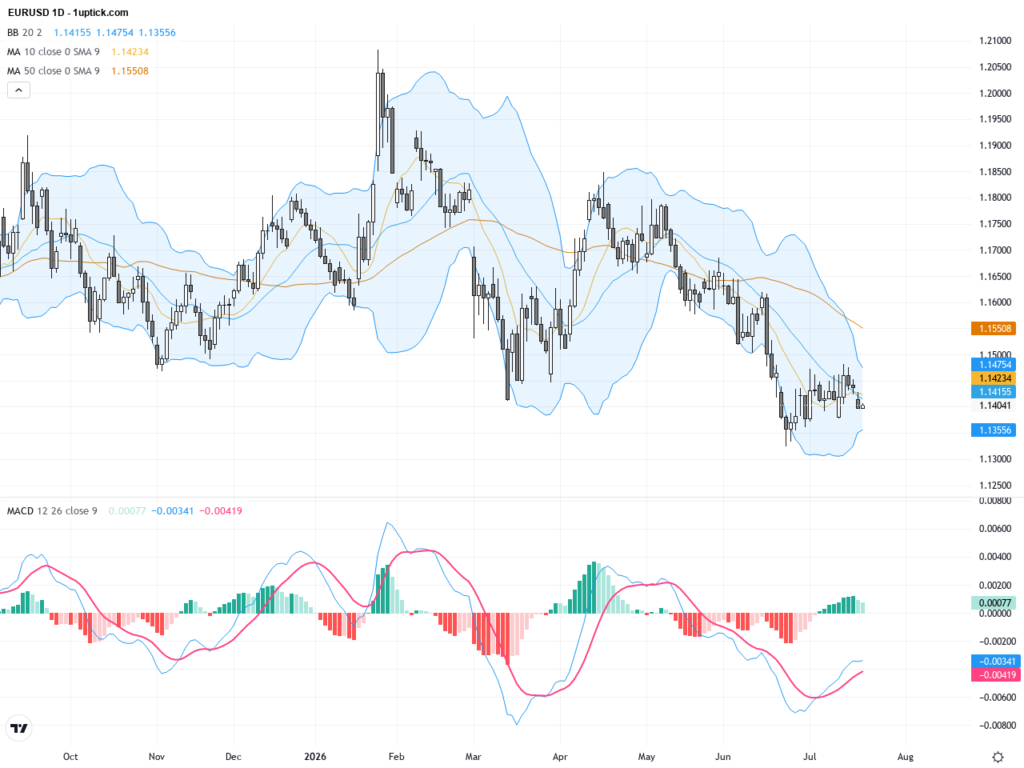
The US dollar benefits from comparatively robust economic growth and markets pricing in higher-for-longer interest rates. But persistent inflation outpacing wages and fragile sentiment leave some room for the dollar’s upside to be capped, especially if investors anticipate a sooner-than-expected Fed pivot to looser policy.
Energy and Commodity Demand Remain Intact, Yet Price Pressures Bite
Ongoing consumer demand, especially for travel and services, continues to support energy consumption and commodity-linked sectors. However, high gasoline prices remain a significant headache for consumers and a factor in adjusted spending patterns. Food prices also stay elevated, contributing heavily to the cost-of-living squeeze. Any sudden geopolitical events that spike commodity prices again could amplify this pressure and dampen discretionary spending.
Key Watchpoints: Wage Growth, Savings Buffers, and Fed Moves
The sustainability of consumer spending will depend heavily on whether wage growth can pick up pace to restore real purchasing power. Meanwhile, with the personal savings rate dropping to near four-year lows, Americans are increasingly relying on savings and credit to fund their spending – a strategy that’s not endless.
Gasoline and food price trajectories in the coming months will be crucial. Rising prices could quickly erode confidence and curb spending. The Federal Reserve faces a delicate balancing act: if spending and sentiment hold firm, they might slow the pace of rate cuts. Conversely, a sharp consumer pullback could accelerate easing, with wide-ranging effects on equities, bonds, and currencies.
Consumption patterns reveal a clear split: lower-income groups tighten their belts, especially on goods, while higher earners continue splurging on experiences and premium services. This dynamic is likely to reshape sector performance across retail, travel, and entertainment industries, making it important for investors to monitor these shifts closely.