








 |
| Gold V.1.3.1 signal Telegram Channel (English) |
How to Analyze Forex Market Data for Profitable Trading Decisions
2026-08-29 @ 00:04
How to Analyze Forex Market Data for Profitable Trading Decisions
Understanding how to effectively analyze forex market data is crucial for any trader seeking consistent profitability in the currency markets. This comprehensive guide will walk you through the proven methodologies used by professional traders and institutional investors to interpret market intelligence and execute data-driven trading strategies.
Step 1: Establish Your Economic Calendar Foundation
Begin by setting up a reliable economic calendar that tracks major market-moving events. Monitor key indicators including central bank interest rate decisions, GDP releases, employment data (NFP, unemployment rates), inflation reports (CPI, PPI), and manufacturing indices (PMI). Understanding the scheduled release times and expected impact levels allows you to anticipate market volatility and position accordingly.
Step 2: Master Fundamental Analysis Frameworks
Develop a systematic approach to evaluating macroeconomic factors that influence currency valuations. Analyze interest rate differentials between currency pairs, assess trade balance data and current account positions, evaluate political stability and geopolitical risks, and monitor central bank policy statements and forward guidance. Create a scoring matrix to compare the relative strength of economies backing your traded currencies.
Step 3: Implement Technical Analysis Tools
Integrate technical analysis into your trading methodology by mastering key chart patterns and indicators. Focus on support and resistance levels, moving averages (50-day, 200-day), RSI and MACD for momentum analysis, Fibonacci retracement levels, and candlestick patterns for entry and exit signals. Use multiple timeframe analysis to confirm trends across daily, 4-hour, and 1-hour charts.
Step 4: Utilize Sentiment Analysis and Positioning Data
Incorporate market sentiment indicators into your analysis toolkit. Review the Commitment of Traders (COT) report weekly to understand institutional positioning, monitor retail sentiment indicators from major brokers, track volatility indices (VIX) for risk appetite assessment, and analyze options market data for implied volatility expectations. Contrarian opportunities often emerge when sentiment reaches extreme levels.
Step 5: Build a Correlation Matrix
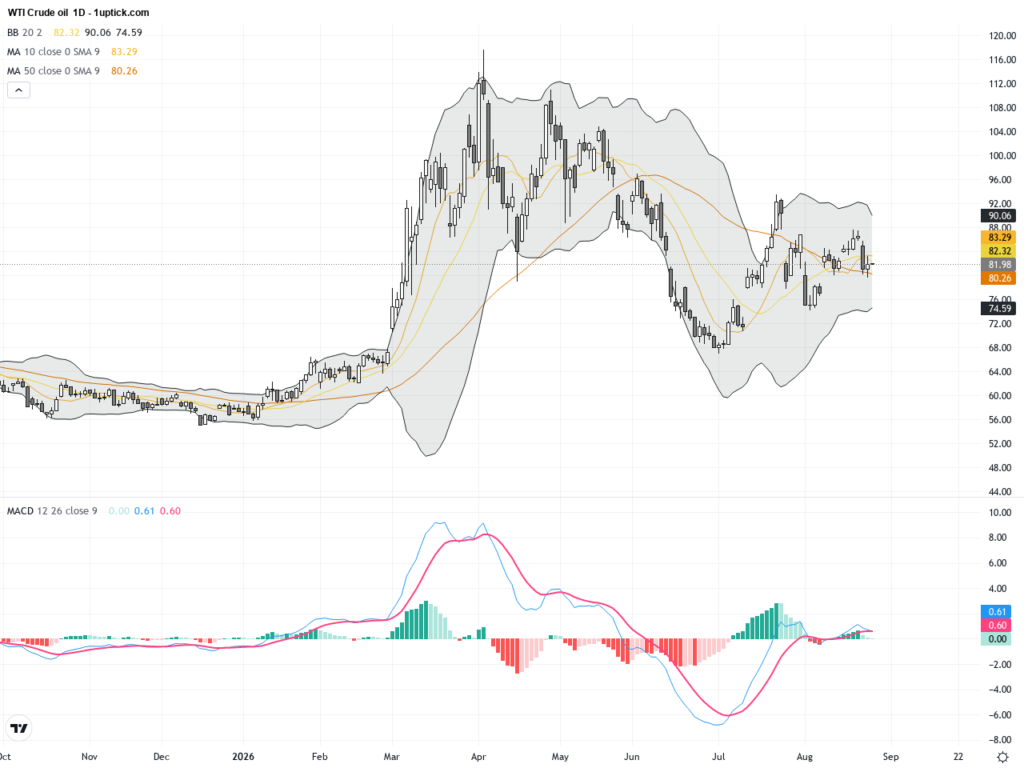
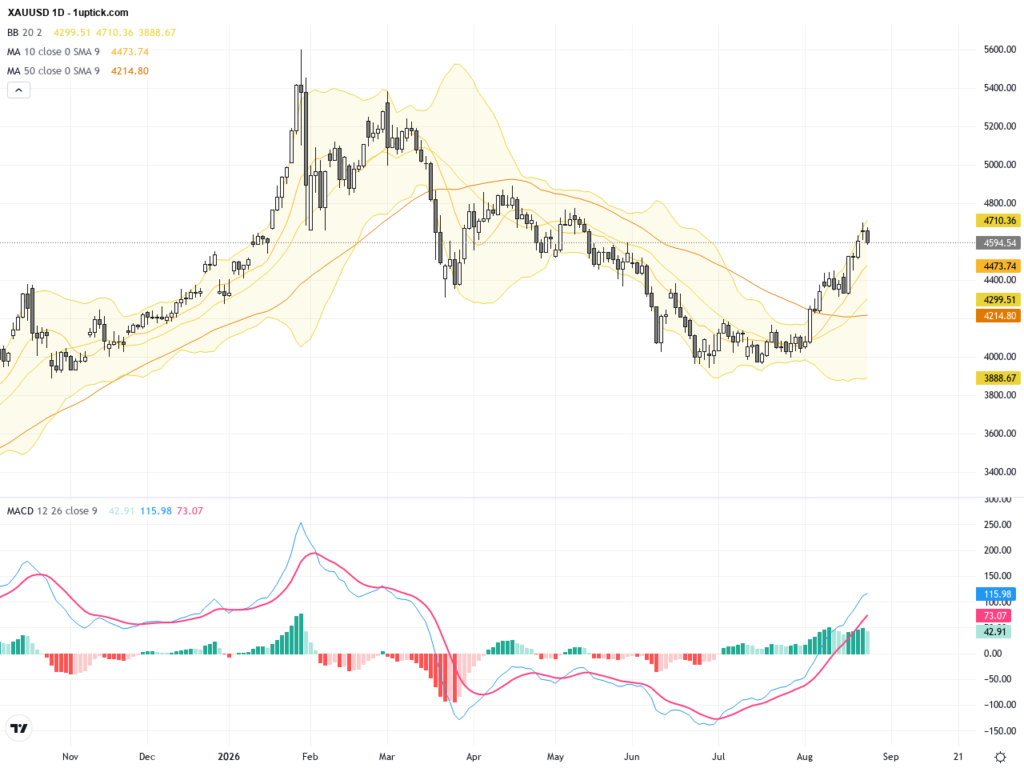
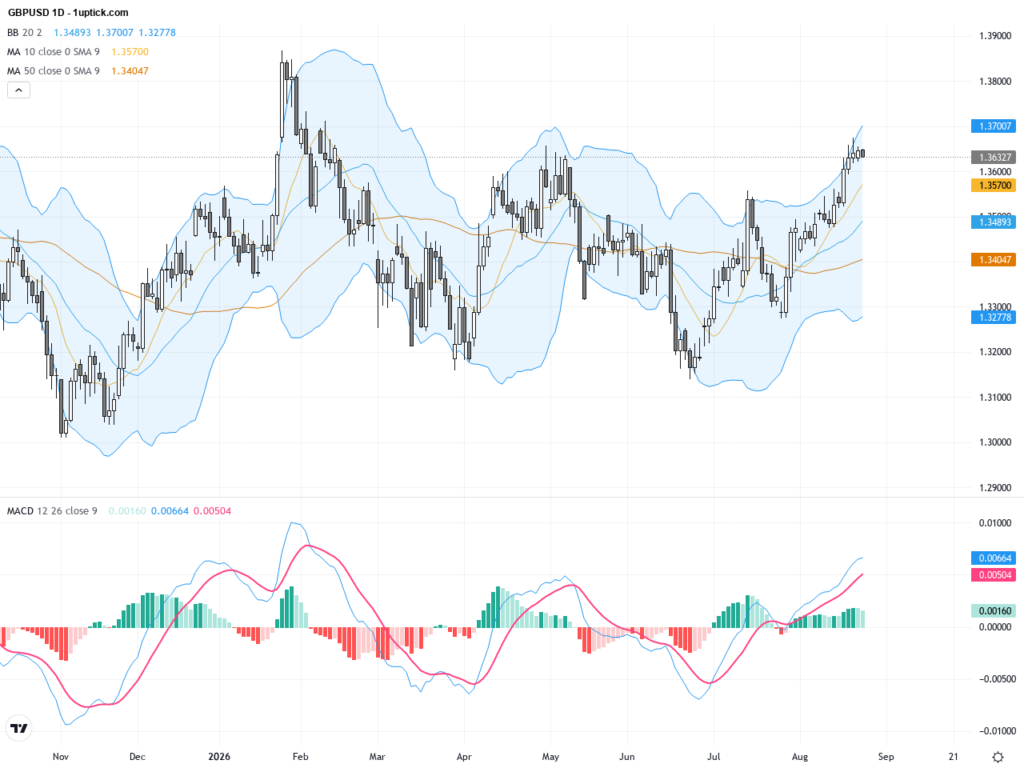
Understand the relationships between currency pairs and other asset classes. Map correlations between major pairs (EUR/USD, GBP/USD, USD/JPY), identify commodity currency relationships (AUD with gold, CAD with oil), and monitor equity index correlations with risk-sensitive currencies. This knowledge helps diversify positions and identify hedging opportunities.
Step 6: Develop Your Risk Management Protocol
Create a comprehensive risk management framework based on your data analysis. Calculate position sizes using the 1-2% rule per trade, set stop-loss levels based on technical analysis and volatility measures (ATR), define risk-reward ratios of minimum 1:2 for each trade, and implement maximum daily and weekly drawdown limits. Never deviate from your risk parameters regardless of conviction level.
Step 7: Create a Trading Journal and Review Process
Document every trade with detailed analysis records including entry rationale, data points considered, outcome analysis, and lessons learned. Conduct weekly reviews to identify patterns in your decision-making and monthly assessments to refine your analytical approach. Data-driven improvement requires systematic tracking of your performance metrics.
Insider Insight: Professional forex traders at institutional desks typically spend 70% of their analysis time on macroeconomic factors and only 30% on technical analysis, contrary to retail trader tendencies. The most successful traders also maintain a network of reliable news sources and develop the discipline to distinguish between noise and actionable market intelligence. Remember that in forex trading, being early is often equivalent to being wrong—wait for confirmation from multiple data points before committing capital to a position.