

 |
| Gold V.1.3.1 signal Telegram Channel (English) |
Fed Chair Warsh’s Hawkish Jackson Hole Speech Flags Risky ‘No-Win’ Rate Decision
2026-08-30 @ 13:02
Warsh’s Jackson Hole Speech Signals Fed’s Inflation Fight Is Far From Over
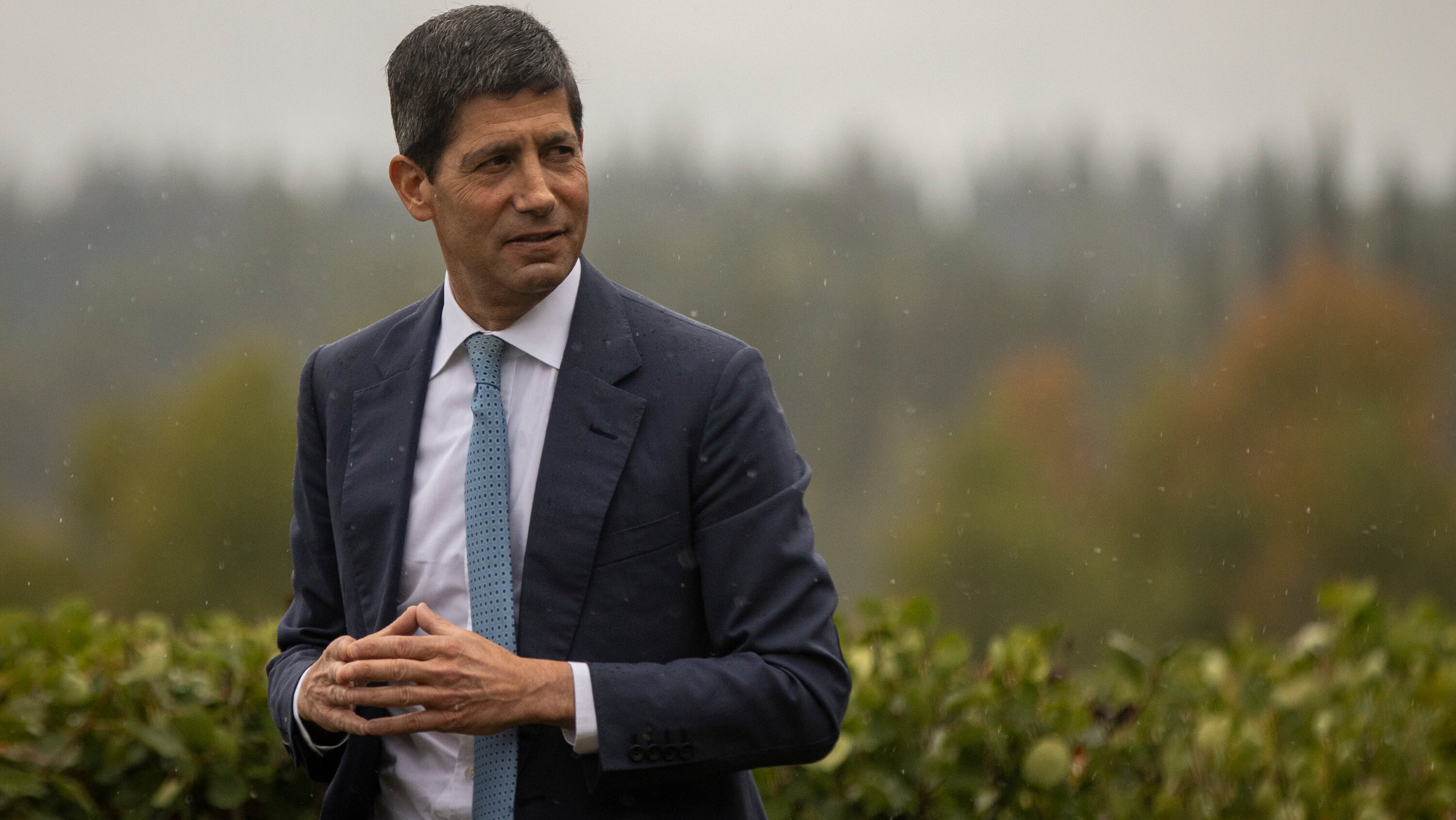
On August 28, Federal Reserve Chair Kevin Warsh used his debut keynote at the Jackson Hole Economic Policy Symposium to send a clear, hawkish message. He reaffirmed the Fed’s 2% personal consumption expenditures (PCE) inflation target as a “firm, fixed” goal and warned that inflation pressures remain too high for comfort.
Recent data underscores his concern: year-over-year PCE inflation hovers around 3.7%, with even higher short-term measures. Consumer Price Index (CPI) and core inflation readings are similarly elevated. Warsh cautioned that although some recent inflation numbers exceeded expectations, they don’t signal a meaningful easing in underlying inflation trends — a subtle cue that the Fed is ready to tighten further if necessary.
Markets Respond: Rates, Dollar, and Stocks Adjust
Warsh’s tone pushed markets to reassess rate hike odds. Fed funds futures markets now price nearly a 40% chance of a 25 basis-point hike as soon as the September FOMC meeting. This anticipation has kept U.S. Treasury yields on an upward bias, flattening parts of the curve and reflecting growing concerns over tighter monetary policy.
The U.S. dollar strengthened following the hawkish tone and hotter inflation prints, turning into a favored safe haven amid global uncertainty. Meanwhile, U.S. equities have become more cautious. Major indexes slipped slightly after the inflation data, as investors weighed the potential headwinds from more Fed tightening, especially for rate-sensitive growth stocks and sectors linked to artificial intelligence.
Commodity markets remain supported by firm energy prices, with oil and related resources maintaining strength. However, the Fed’s policy focus is on demand restraint driven by higher real interest rates rather than additional fiscal stimulus.
Policy Priorities and What’s Next
At Jackson Hole, Warsh emphasized that short-term interest rates remain the Fed’s primary policy lever. He downplayed balance sheet changes and deferred any near-term policy questions about artificial intelligence. His message was clear: inflation stubbornly exceeds the 2% target, and price stability demands ongoing attention even amid near-full employment.
Though summer inflation readings showed some mild improvement, Warsh underscored that they don’t reflect a meaningful improvement in inflation trends, signaling readiness to act further. Analysts and market watchers see this speech as an attempt to clarify and repair mixed messages after July’s Fed communications, thereby shoring up the Fed’s inflation-fighting credibility.
Looking forward, upcoming PCE and CPI inflation releases will be crucial barometers. Should year-over-year inflation remain firmly within the 3.5% to 4% range, or if core inflation picks up again, pressure on Warsh to deliver an additional rate hike will mount.
Fed funds futures pricing will likely evolve as fresh data and Fed commentary come in, either reinforcing or challenging the roughly 40% odds currently priced in for September. Investors will also keenly watch how tighter monetary policy begins to impact labor markets, credit conditions, and corporate earnings, looking for signs that the growth-versus-inflation trade-off is shifting.
Adding complexity is political pressure from President Trump, who has voiced criticism of tighter monetary policy. Markets will observe carefully whether Warsh maintains his inflation-first messaging amid such influences, as wavering could affect the Fed’s credibility and the broader pricing of risk premiums.
In Summary
Warsh’s hawkish debut at Jackson Hole has reinforced the broad consensus that battling inflation means sustaining higher interest rates for longer. Markets are now on edge, waiting for upcoming inflation data to confirm whether the Fed will follow through with additional tightening. The balancing act between economic growth, labor market strength, and inflation pressures makes the coming weeks crucial.
For investors, staying alert to short-term rate movements and inflation data releases is a must, as these factors have a direct impact on global financial markets. Warsh’s speech isn’t just a policy preview—it’s a key catalyst for market sentiment and asset price volatility in the months ahead.