

 |
| Gold V.1.3.1 signal Telegram Channel (English) |
UK Businesses Turn Up Heat on Burnham to Scrap State Pension Triple Lock
2026-09-07 @ 13:03
BCC Pushes to Scrap Triple Lock, Unleashing £3.3bn Savings for Youth Employment
In a bold move, the British Chambers of Commerce (BCC) has formally called on Chancellor John Healey to ax the decade-old state pension triple lock policy in this year’s budget submission. The policy, designed to boost pensions annually by the highest of earnings growth, inflation, or 2.5%, is now seen by business leaders as a hefty and unsustainable fiscal burden. Instead, the BCC proposes shifting to inflation-only adjustments, which could save the government around £3.3 billion over two years.
These savings aren’t just about slashing costs; the BCC suggests reinvesting the funds to cut employers’ National Insurance contributions for 21 to 24-year-olds, aiming to kickstart youth employment. Lower labour costs may enhance hiring and productivity, especially in sectors dependent on younger workers. The BCC projects that these changes could reduce welfare spending by nearly £10 billion in the long run, boosting fiscal sustainability.
OECD and Economists Sound Alarm: Triple Lock Fatally Flawed for UK Finances
The OECD’s latest assessment of the UK economy, published this month, echoed these concerns, branding the UK’s pension system “unusually generous” and urging medium-term reforms. Abandoning the triple lock in favour of earnings or inflation measures, it estimates long-term savings exceeding 2% of GDP — over £60 billion. This message has garnered backing from former Chancellor Jeremy Hunt and respected think tanks like the Tony Blair Institute and the Resolution Foundation, all warning that the triple lock threatens the UK’s growth prospects and fiscal room.
Political Crossroads: Burnham Holds the Line Amid Fiscal Pressure
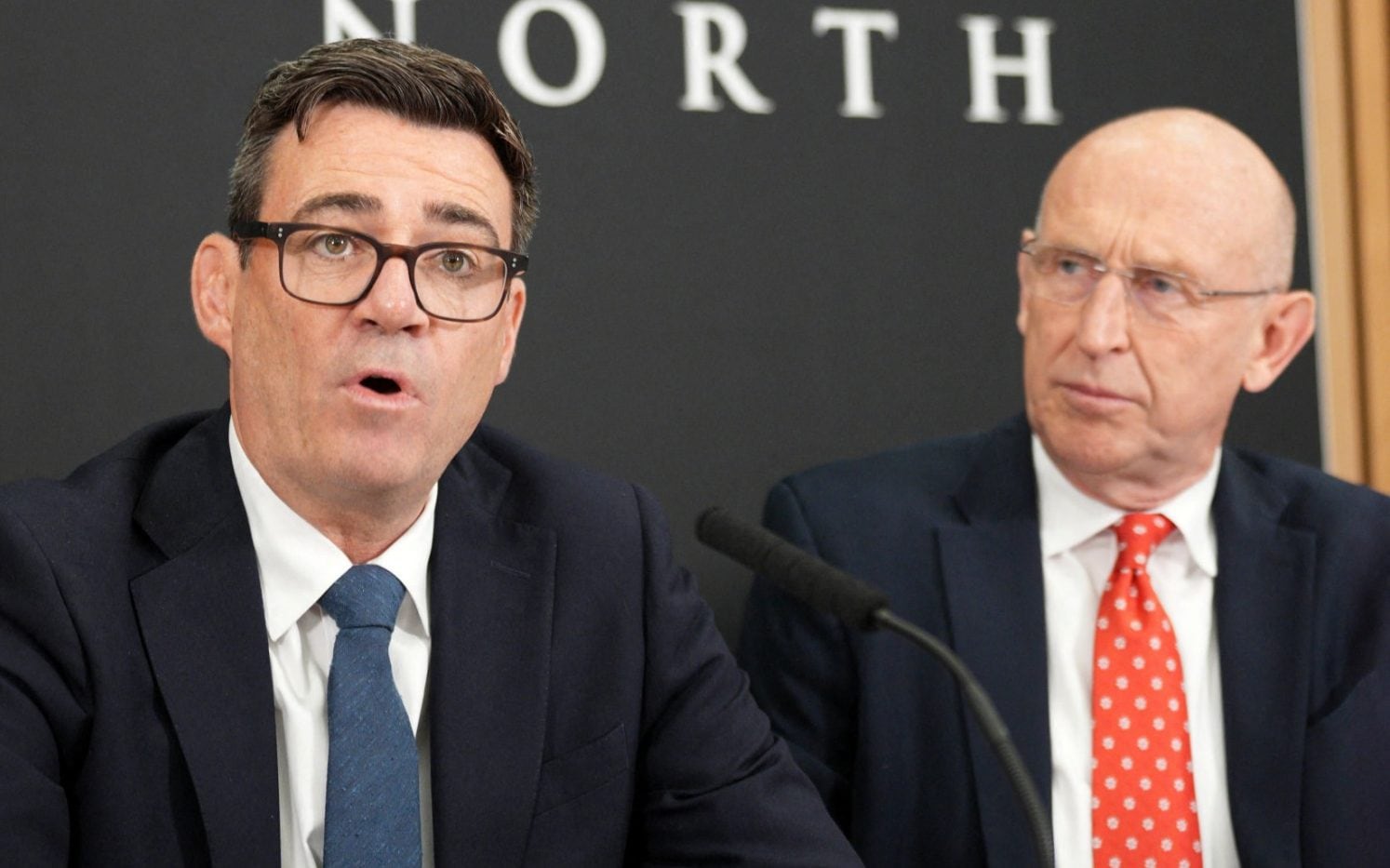
Despite mounting economic arguments, Prime Minister Andy Burnham remains steadfast in his commitment to the triple lock, calling scrapping it politically damaging for Labour. During the Makerfield by-election campaign, Burnham stressed protecting pensioners’ interests. Still, whispers within government circles highlight growing friction as advisers warn that rigid adherence could constrain fiscal flexibility.
The question now is whether Burnham can balance political risks with the pressing need for fiscal responsibility as public spending and the ageing population exert simultaneous pressure.
Market Eyes Autumn Budget: Pension Reform as a Fiscal Signal
All eyes are on Chancellor Healey’s upcoming Autumn Budget. The market is eager for clarity on whether the government will retain the triple lock or introduce phased reforms—like shifting to inflation or earnings uprating, adjusting thresholds, or applying means-testing with safeguards for low-income pensioners.
A visible roadmap addressing pension costs could ease gilt market nerves and support sterling by signaling stronger medium-term fiscal discipline. Conversely, continued ambiguity around pension commitments may mean heightened sensitivity to fiscal headlines and pressure on UK sovereign debt.
Generational Tug-of-War: The Politics Behind Pension Reform
Any move to dismantle or dilute the triple lock risks significant backlash from pensioners—a powerful political constituency. The policy, costing three times more than initially expected, has sharpened intergenerational tensions between retirees and younger workers grappling with tough job prospects and soaring living costs.
The government faces a delicate balancing act of funding adequate retirement incomes while promoting youth employment and economic growth. How that balance unfolds will shape not only fiscal sustainability but also the social fabric and political landscape.
In essence, the UK is at a crossroads: wrestle with tough pension reforms and potential political fallout or maintain the status quo at the cost of fiscal strain. Investor and public attention will stay fixated on the autumn budget for signs of whether Chancellor Healey and Prime Minister Burnham can navigate this complex terrain.