







 |
| Gold V.1.3.1 signal Telegram Channel (English) |
Bonds Rally on Middle East Peace Hopes: What’s Driving the Market Rebound?
2026-05-21 @ 13:02
Middle East Peace Talks Spark Strong Bond Rally and Rate Retreat
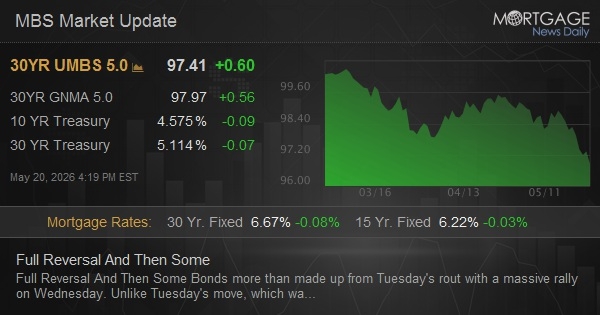
Recent headlines suggesting the U.S. and Iran could soon agree on a regional peace framework have sent shockwaves through the fixed income markets—in a good way for bond buyers. After last Tuesday’s technical selloff pushed 10-year Treasury yields toward the mid-4.6% range, yields pulled back sharply by about 10 basis points following the peace optimism. This wasn’t just a short-lived technical bounce; it reflected a meaningful shift toward broad-based demand for duration as investors recalibrated risk amid hopes for de-escalation.
Mortgage-backed securities (MBS) mirrored this trend, bouncing roughly 5/8 of a point. Although MBS spreads had widened amid forced selling and concerns about supply, fresh real-money demand helped tighten spreads and stabilize prices. While primary mortgage rates remain stubbornly high around mid-6% territory, some intraday improvements in rate sheets hint at easing pressure on borrowers.
The moves spilled over into other markets, too: rate-sensitive equity sectors like homebuilders, REITs, and utilities found mild support as Treasury yields sank, while defensive pockets like defense and energy stocks gave back some recent gains. The U.S. dollar softened a bit against riskier currencies linked to oil and broader growth, following a moderation in safe-haven flows. Meanwhile, oil prices edged down as geopolitical premiums faded and options market volatility dropped. Gold—another classical safe haven—pulled back from recent highs as traders booked profits amid slightly eased inflation concerns.
Recent Market & Policy Highlights
The 10-year Treasury yield has stayed within a 4.55% to 4.70% range over the past few days, with its moves driven primarily by headline risk rather than economic data. Meanwhile, MBS volumes and issuance have remained strong despite volatility, although supply constraints—stemming from high mortgage originations and limited Fed and bank balance sheet capacity—keep the sector sensitive to rate swings and spread shifts.
On the diplomatic front, U.S. officials, regional mediators, and Iran have been engaged in active talks. Leaked parameters outline a ceasefire and de-escalation framework, but no agreement is confirmed yet, and officials emphasize the fragility of the progress. This uncertainty keeps markets on edge, ready to shift on any change in the peace narrative.
From a policy perspective, the Federal Reserve continues to stress that any easing of monetary policy hinges on convincing evidence that inflation is sustainably returning to the 2% target. Market expectations slightly price in at least one Fed cut by year-end, but the prevailing view is one of “higher rates for longer,” keeping the yield curve and risk appetite cautious.
What’s Next? Key Watchpoints for Investors
The path of the Middle East conflict will likely dictate near-term moves across oil, gold, and global interest rates. A confirmed ceasefire could quickly compress risk premiums, push energy prices lower, and extend the Treasury and MBS rallies. Conversely, renewed tensions would probably reverse Wednesday’s gains and ramp up volatility.
Upcoming U.S. inflation data—particularly the CPI and core PCE releases—will be critical in determining whether the recent yield retreat can sustain momentum or if it’s just a fleeting countertrend in an overall “higher-for-longer” environment.
Watch the MBS technical picture closely. Despite recent stabilization, ongoing heavy mortgage supply and constrained balance sheets make the sector vulnerable to rate moves and spread shifts. Demand from asset managers and housing agencies will be pivotal if spreads widen again.
Finally, risk assets like equities, credit spreads, and emerging market currencies remain highly sensitive to swings in both the geopolitical peace narrative and U.S. interest rate outlook. Investors should brace for headline-driven volatility while looking for potential opportunities from any durable drop in bond yields and energy costs.