







 |
| Gold V.1.3.1 signal Telegram Channel (English) |
How to Analyze Market Intelligence Data for Strategic Investment Decisions
2026-06-27 @ 00:04
How to Analyze Market Intelligence Data for Strategic Investment Decisions
In today’s volatile financial markets, successful investors rely on systematic analysis of market intelligence to gain competitive advantages. This guide provides a structured approach to transforming raw market data into actionable investment insights, whether you’re trading forex pairs, commodities, or building a diversified portfolio.
step_num: 1, heading: Establish Your Intelligence Framework, content: Begin by defining your investment objectives and risk tolerance. Create a structured framework that identifies key data points relevant to your strategy. For forex traders, this includes central bank policies, economic indicators, and geopolitical developments. For commodities investors, focus on supply-demand dynamics, seasonal patterns, and industrial consumption trends. Document your criteria for entry and exit points based on specific data thresholds.
step_num: 2, heading: Aggregate Multiple Data Sources, content: Diversify your intelligence sources to avoid blind spots. Combine real-time price feeds with economic calendars, central bank announcements, and sentiment indicators. Cross-reference data from Bloomberg terminals, Reuters feeds, and specialized platforms. For commodities, incorporate inventory reports (EIA, API for oil; USDA for agricultural products) and production data. Ensure your sources are authoritative and updated in real-time.
step_num: 3, heading: Apply Fundamental Analysis Techniques, content: Analyze macroeconomic indicators systematically. For forex, examine GDP growth rates, inflation data (CPI/PPI), employment figures, and interest rate differentials. Calculate purchasing power parity and monitor trade balance trends. For commodities, assess production costs, storage levels, transportation logistics, and currency correlations. Create comparative matrices to identify undervalued or overvalued assets.
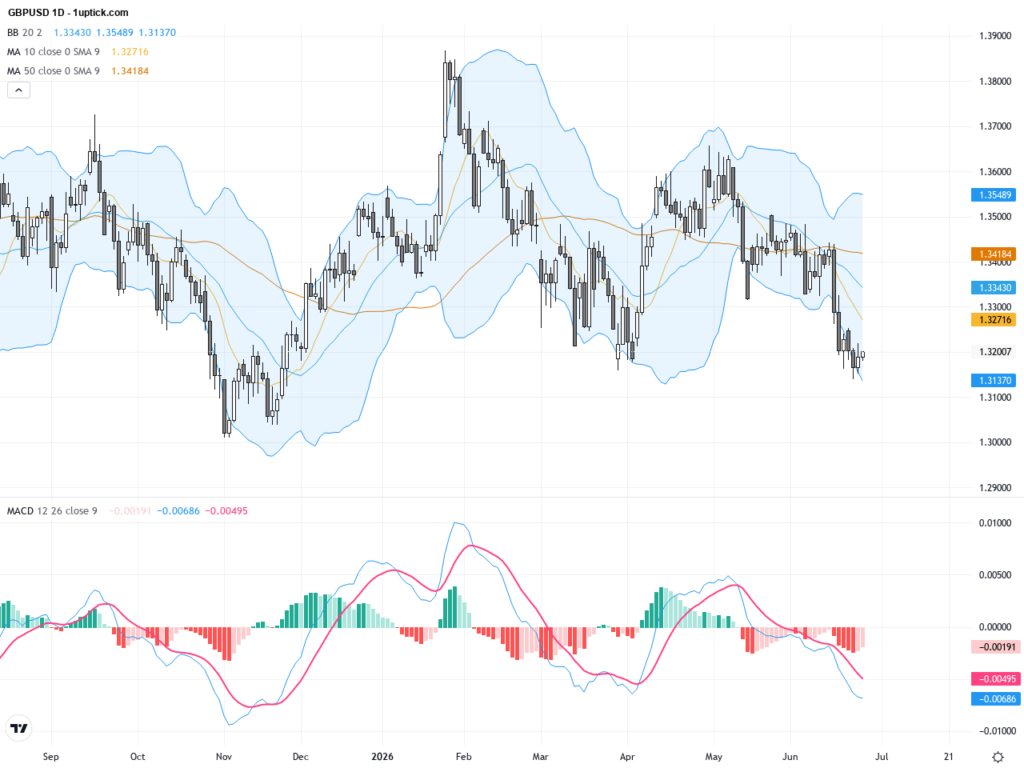
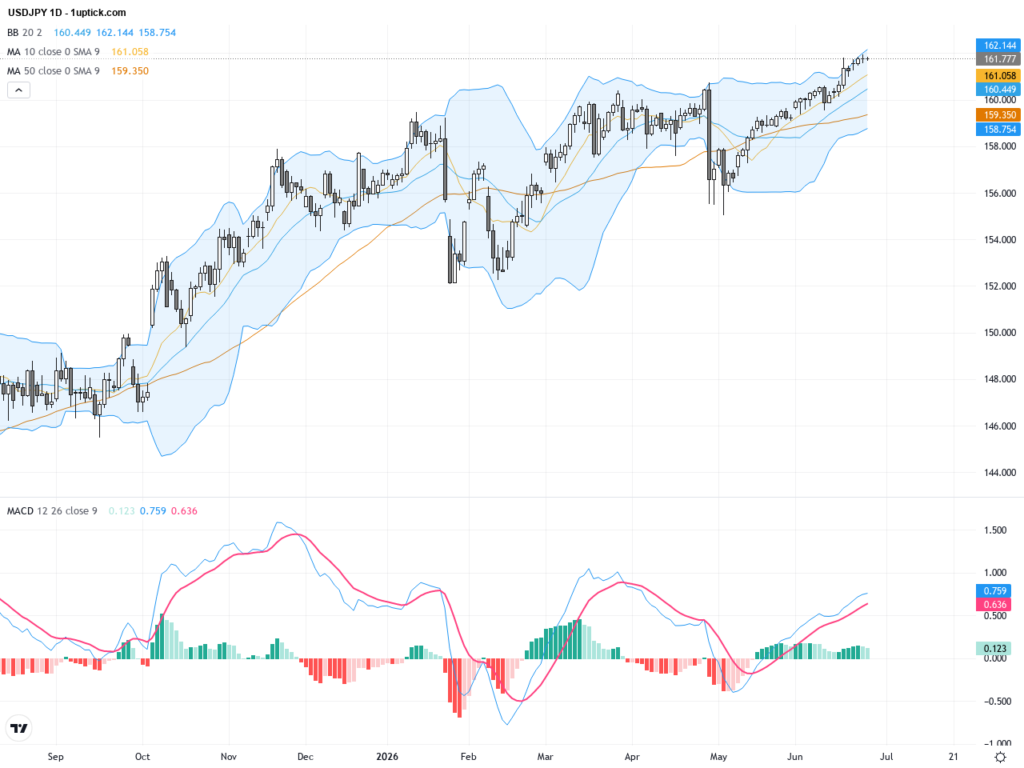
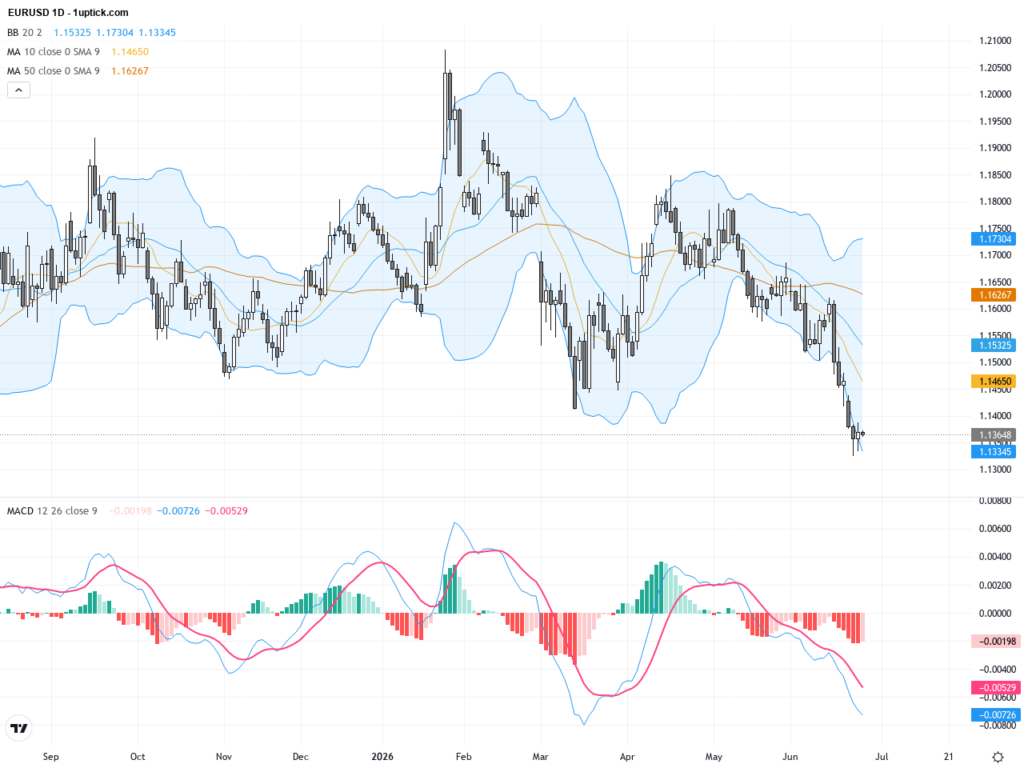
step_num: 4, heading: Integrate Technical Analysis Tools, content: Complement fundamental analysis with technical indicators. Utilize moving averages (50-day, 200-day) for trend identification, RSI and MACD for momentum analysis, and Fibonacci retracements for support/resistance levels. Apply Bollinger Bands to measure volatility. For commodities, pay particular attention to seasonal charts and commitment of traders (COT) reports to understand institutional positioning.
step_num: 5, heading: Monitor Sentiment and News Flow, content: Track market sentiment through multiple channels. Analyze positioning data, options market activity, and volatility indices (VIX for equities, OVX for oil). Monitor social media sentiment tools and news aggregators for breaking developments. Pay attention to central banker speeches, FOMC minutes, and geopolitical risk indicators. Develop alerts for keywords relevant to your positions.
step_num: 6, heading: Develop Scenario Analysis Models, content: Create multiple scenario projections based on different market outcomes. Assign probability weightings to bullish, bearish, and neutral scenarios. Model potential price movements under various conditions—interest rate changes, geopolitical events, or supply disruptions. Use Monte Carlo simulations for complex portfolio analysis. This approach prepares you for market volatility and reduces emotional decision-making.
step_num: 7, heading: Implement Risk Management Protocols, content: Establish strict risk parameters before executing trades. Define position sizing rules (typically 1-2% of portfolio per trade), set stop-loss levels based on technical analysis, and calculate risk-reward ratios (minimum 1:2 recommended). Diversify across uncorrelated assets to reduce portfolio volatility. Regularly stress-test your portfolio against historical crisis scenarios.
step_num: 8, heading: Review and Optimize Continuously, content: Maintain a detailed trading journal documenting your analysis, decisions, and outcomes. Conduct weekly performance reviews to identify patterns in successful and unsuccessful trades. Refine your intelligence framework based on empirical results. Stay updated on new analytical tools and methodologies. Participate in professional networks to exchange insights with fellow analysts.
Insider Insight: The most successful institutional traders combine quantitative data analysis with qualitative judgment developed through years of market experience. While algorithms can process vast amounts of data, human insight remains crucial for interpreting unprecedented events and identifying regime changes. Focus on developing a repeatable process rather than chasing individual trade outcomes. Remember that market intelligence is only valuable when acted upon with discipline and proper risk management. The edge comes not from having more information, but from interpreting and executing on that information more effectively than the market consensus.