






 |
| Gold V.1.3.1 signal Telegram Channel (English) |
US-Canada Tariff War Heats Up, Driving Up Costs for Families and Businesses
2026-08-29 @ 13:03
US-Canada Tariff Clash: Who’s Paying the Price?
In the past two weeks, trade tension between the US and Canada has sharply escalated. The US imposed hefty 50% tariffs on $27 to $28 billion worth of Canadian products, aiming to shield domestic industries. Canada responded swiftly with counter-tariffs ranging from 15% to 50% on over 700 US goods valued around CA$27.6 billion (roughly $20 billion), set to take effect on September 8. The strategy? Match US tariffs “dollar for dollar, rate for rate.”
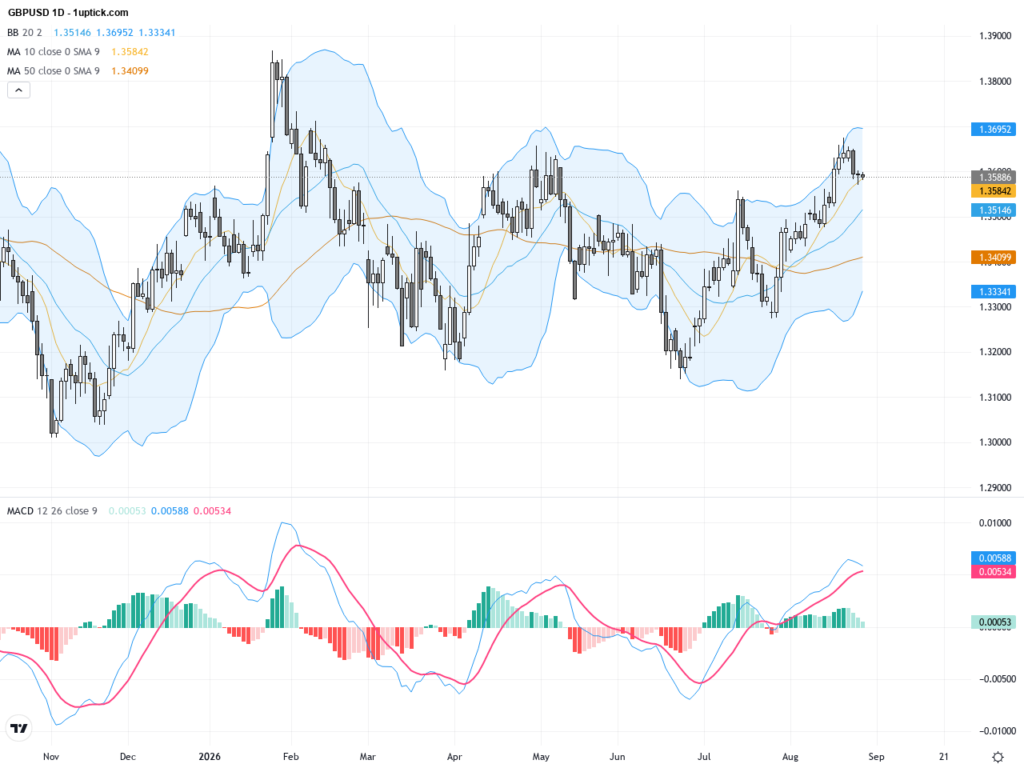
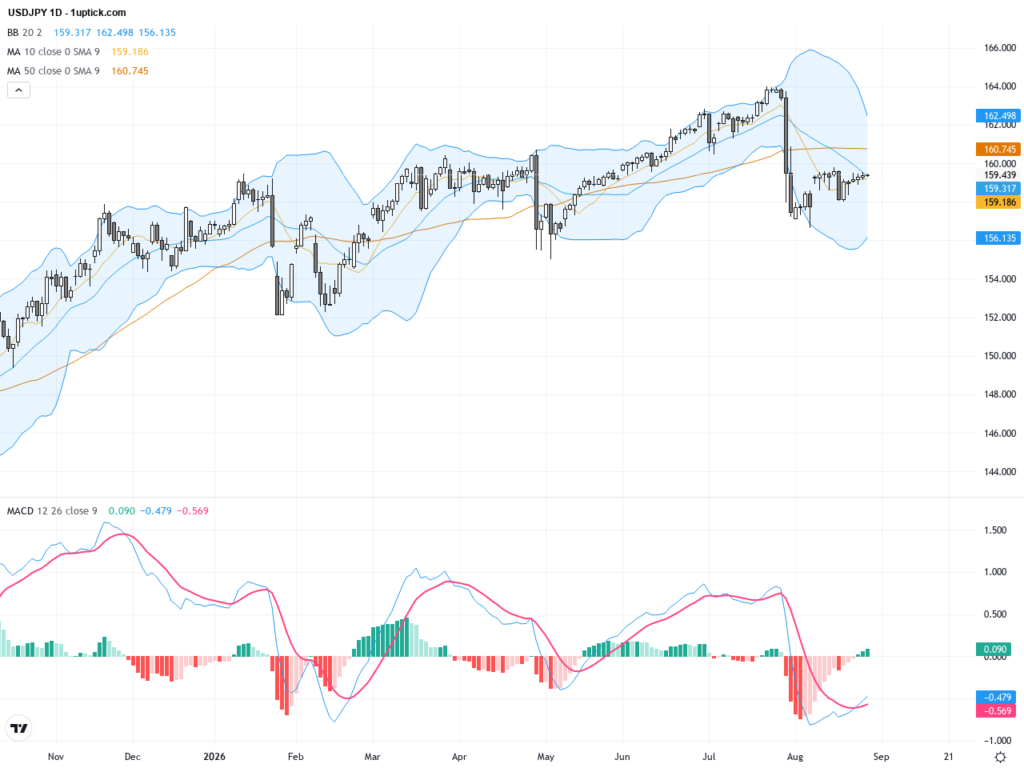
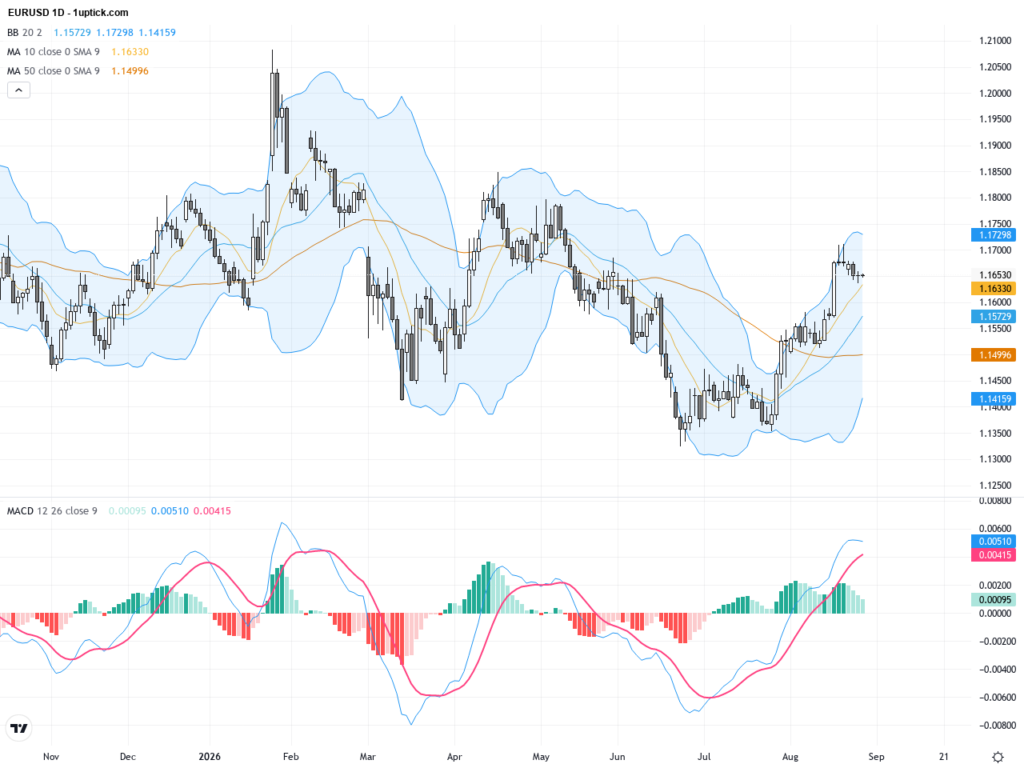
Both governments say these moves protect workers and key sectors, but the reality is more complicated. Consumers and businesses on both sides now face higher import costs and fewer choices. Given the close economic ties, rising uncertainty has pressured the Canadian dollar, as Canada’s economy leans heavily on US demand, while safe-haven flows modestly support the US dollar.
Industry Impact: From Steel to Sporting Goods, No One’s Unscathed
The heaviest tariff blows hit sectors such as steel, aluminum, dairy, appliances, agricultural equipment, pulp and paper, plastics, electronics, and select consumer goods. Canadian steel, automotive, and forestry companies face squeezed margins and eroded competitiveness in the US market. Meanwhile, US exporters of similar products confront Canada’s retaliatory tariffs, curbing their access and sales volume.
For manufacturers and retailers dependent on cross-border supplies, this means rethinking sourcing and production strategies amid rising input costs. This trade disruption isn’t just about price—it risks destabilizing long-established supply chains moving billions of dollars’ worth of goods.
Bonds and Fiscal Moves: Canada Steps Up Support with $7.5 Billion Package
Canada is backing affected workers and businesses with a $7.5 billion support program atop nearly $25 billion previously committed. This signals a modestly expansionary fiscal policy stance aimed at cushioning the tariff shock through liquidity programs, regional investments, and rapid-response aid.
On the US side, tariffs act like a tax, mostly absorbed by importers and consumers, which can dampen demand but don’t significantly increase Treasury issuance for now. Investors and bond markets are watching closely to see how these fiscal and monetary dynamics evolve.
Inflation and Cost of Living: Not Uniform, But Definitely Real
While a 50% tariff might sound like a price explosion, it only affects certain product categories. US consumers should brace for price hikes—or fewer choices—in Canadian imports like ice skates, wine, furniture, clothing, and sporting goods. Canadians face parallel challenges as US goods become pricier.
Research suggests about 96% of tariff costs fall on domestic buyers, meaning everyday people end up bearing most of the burden. How much consumers choose to absorb higher prices or switch products will be key in shaping the economic fallout.
Talks Break Down, But Eyes on Possible Future Negotiations
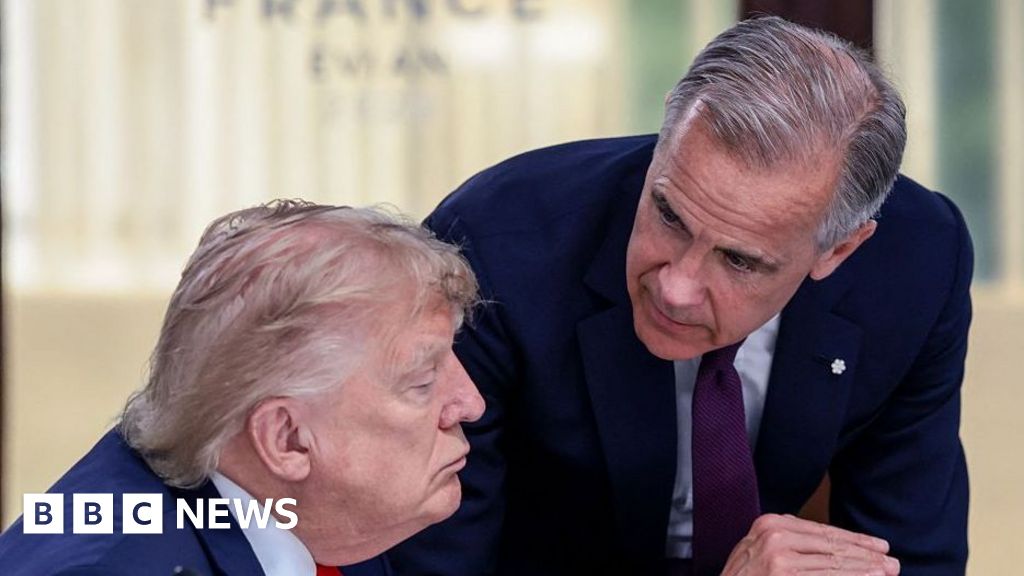
Trade negotiations collapsed in late August, allowing US tariffs to kick in on August 22. Canada has been actively coordinating with provinces to roll out the support package. Prime Minister Mark Carney vows to protect tariff-free access for most businesses while targeting retaliation carefully to sectors hit hardest.
Looking ahead, markets will be closely tracking the Canadian counter-tariffs coming into force on September 8 and their ripple effects on inflation, corporate margins, and consumer behavior. Earnings reports and sector surveys over the coming months will be telling.
This tariff showdown doesn’t just reshape the US-Canada economic alliance; it adds layers of complexity to North American supply chains and global trade flows. Investors should keep a cautious eye on unexpected shifts in currency, equity, and bond markets as the situation evolves.