


Economist Flags Sticky Inflation Risk Even as President Trump Lifts Oil Sanctions
Economist Dan Geltrude warns that lifting oil sanctions may ease crude prices short-term but supply chain frictions and demand recovery could keep inflation sticky.
Economist Dan Geltrude warns that lifting oil sanctions may ease crude prices short-term but supply chain frictions and demand recovery could keep inflation sticky.

On March 20, 2026, key UK gilt yields hit levels last seen in 2008 as oil-driven inflation risks forced markets to price in a higher-rate future. This piece explains the ripple effects across bonds, equities, FX and commodities and highlights the critical data and central bank signals to watch next.

I tried to compile analysis on Chicago’s municipal debt and Mayor Brandon Johnson’s fiscal moves but found no verifiable reporting within the past 14 days. Here’s the core message, a checklist of data we need, and clear next steps to produce a reliable market brief.

Escalating clashes between the US and Iran have driven oil sharply higher and pushed US recession risk up as inflation and growth concerns collide. This piece breaks down the market impacts and the key catalysts to watch next.

The US national debt has surpassed $39 trillion, and Council on Foreign Relations president Richard Haass tells Fortune this is more than a fiscal headache — it could constrain America’s defense and global leadership. What this means for markets, yields, and your portfolio.

The Bank of Japan kept its policy rate at 0.75% while explicitly tying upside inflation risk to the Iran conflict. JGBs stabilized, the yen stayed weak above 150, and oil-driven imported inflation is back on the agenda — here is what market participants need to monitor.

The Federal Reserve bumped its 2026 core PCE forecast to 2.8%, blaming higher global energy prices after renewed Iran-related disruptions. Oil’s rebound is reshaping rate expectations, equity sector leadership, bond yields and FX flows. Here’s a clear, trader-friendly breakdown of what’s happened, why it matters and the key indicators to watch next.

The Fed is set to keep rates unchanged, balancing persistent inflation against a cooling labor market while rising Middle East tensions push investors into bonds and gold. All eyes are on Chair Powell and the upcoming CPI print.
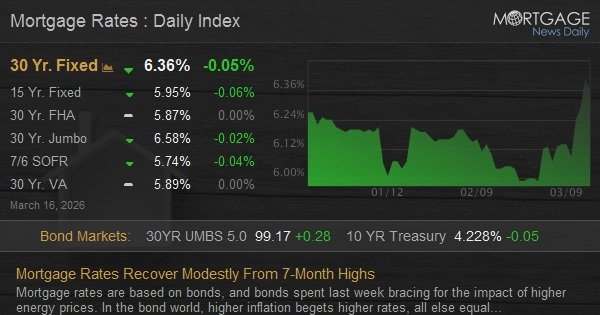
US 30-year fixed mortgage rates edged down 0.06 percentage point on Monday after hitting seven-month highs. A more than 5% drop in oil and a matching decline in the 10-year Treasury yield eased inflation worries and briefly supported housing affordability, though Fed policy and inflation data remain the key risks.

China surprised markets with stronger-than-expected 1-2 month data, lifting equities and easing yields — but Iran’s war-driven oil shock complicates the outlook. Here’s what markets and investors should watch next.

 |
| Gold V.1.3.1 signal Telegram Channel (English) |