










 |
| Gold V.1.3.1 signal Telegram Channel (English) |
WTI crude oil price forecast: Kalshi poll sees it hitting $150 in 2026 tradingview.com

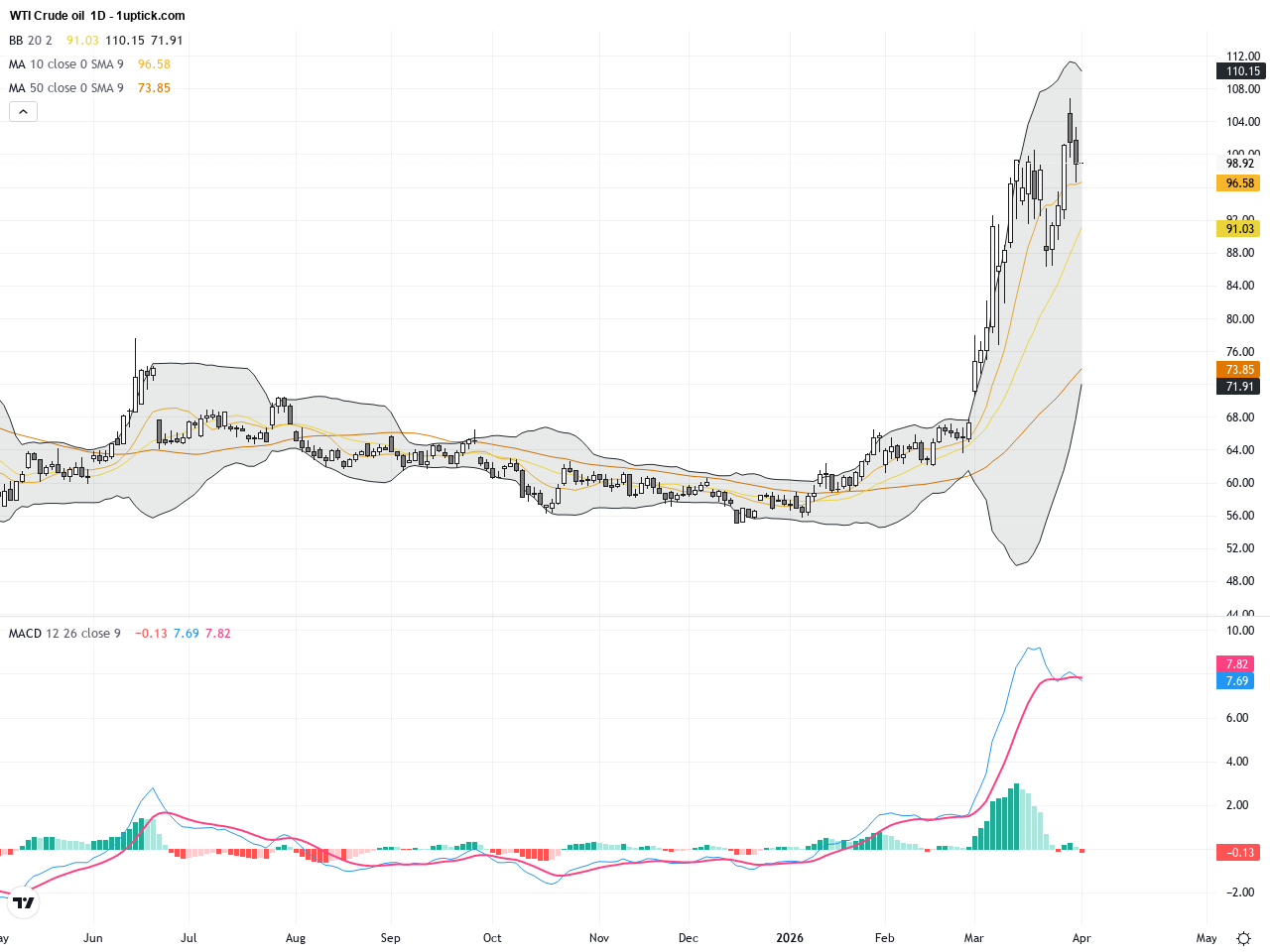
The WTI crude oil price will be in the spotlight this week as the US war against Iran escalates. It ended the week at $112.08, up by over 104% from its lowest level this year. Futures on Hyperliquid quoted the price at $112.15, with its open interest rising to $575 million.WTI crude oil in focus as…
Source: tradingview.com
Gold Price Forecast: XAU/USD Bears Face Critical $4,600 Resistance Barrier cryptorank.io

Source: cryptorank.io
The Two-Week Window That Could Break Global Commodity Markets oilprice.com

Source: oilprice.com
Why U.S. natural gas prices are insulated from the war in the Middle East marketplace.org
Source: marketplace.org
US WTI crude oil surges 11.9% to $112, highest since 2022 Russia-Ukraine conflict news.cgtn.com

US West Texas Intermediate (WTI) crude oil surged 11.9% to cross the $112 per barrel mark, hitting a new peak since the 2022 Russia-Ukraine conflict, according to NBC News.
Source: news.cgtn.com
Oil Prices Jump as Escalating U.S.–Iran Tensions Lift Brent and WTI tipranks.com

Crude benchmarks rebounded sharply on Thursday as renewed geopolitical tensions lifted prices, with President Donald Trump signaling the U.S. could intensify strike…
Source: tipranks.com
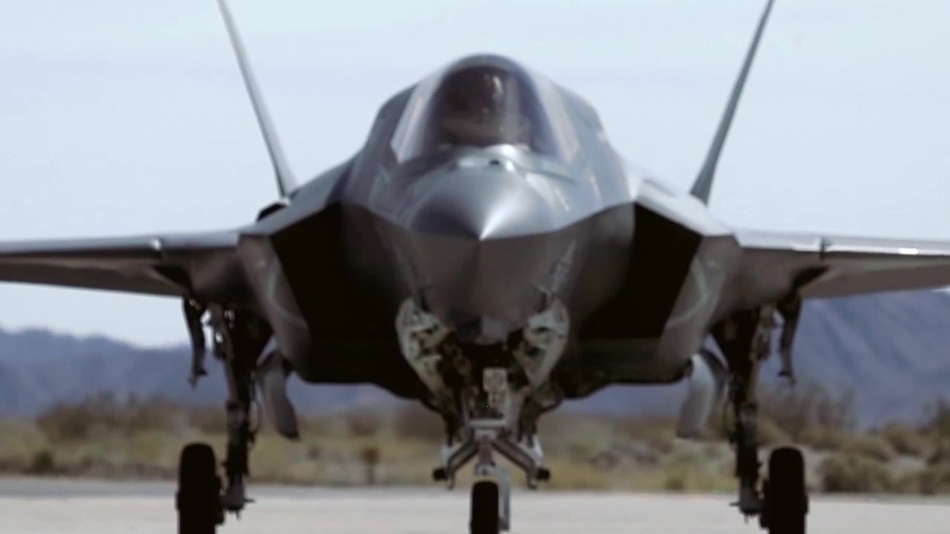
WTI 2-18 Flight Phase begins marines.mil
How Big is the Oil Price Spike? substack.com
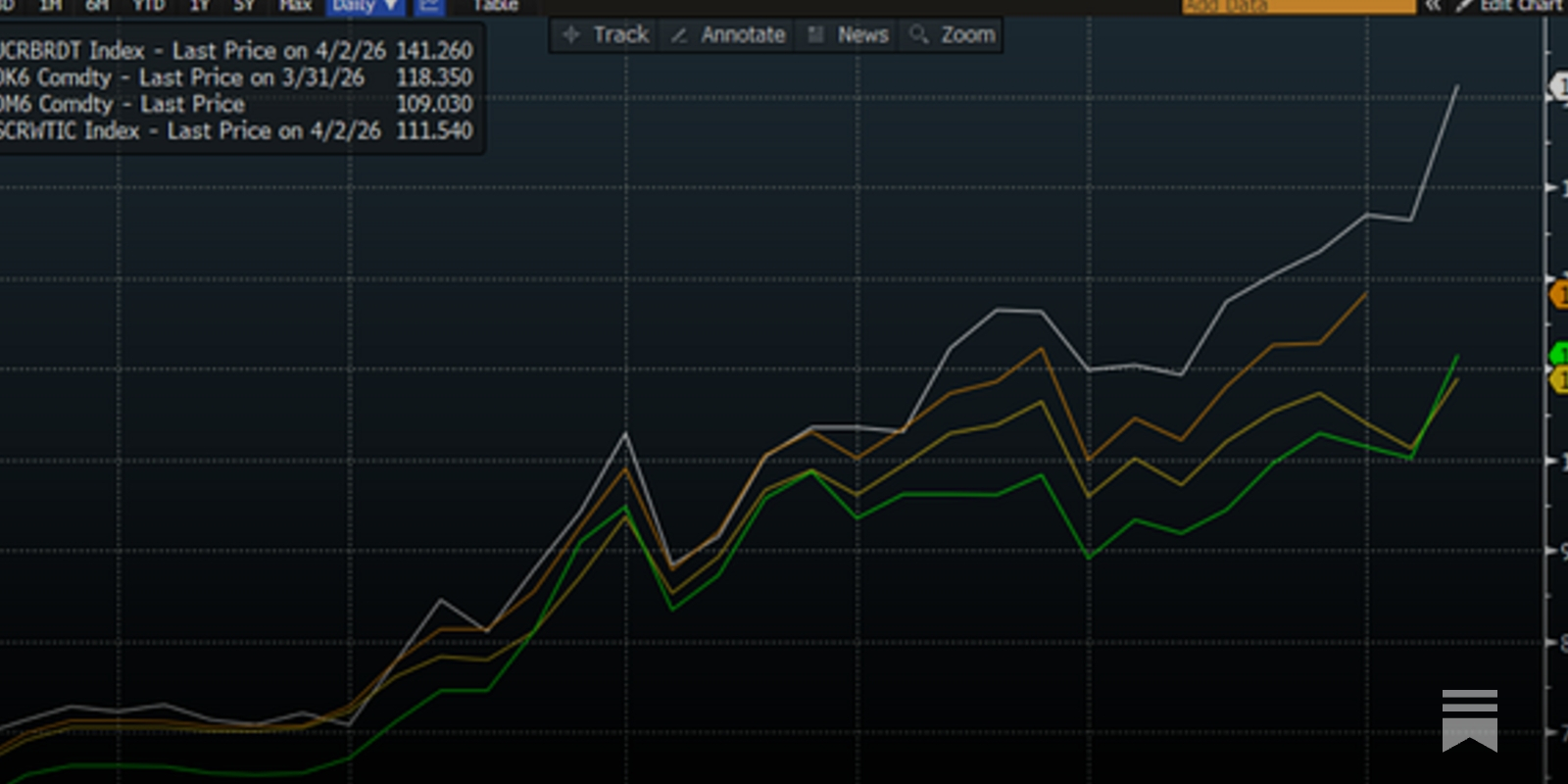
Where there used to be just one benchmark for global oil prices, there’s now all kinds of numbers floating around, so I want to use today’s post to explain what’s happening and what numbers I track as the most important. Fundamentally, things are confusing because markets don’t trade oil the way we buy gasoline for our cars. We drive around and – when the tank’s empty – we head to the gas station and fill up. Markets call that a “spot” transaction, meaning we take delivery of gasoline immediately and hand over cash in return. The way oil gets traded in global markets is in futures contracts, which entitle you to delivery at some future date (most futures contracts don’t involve actual physical delivery, but let’s leave that nuance aside). In normal times, the “front-month” futures contract for Brent is the benchmark global oil price because it’s a good proxy for what’s going on in the “spot” market, but that’s no longer the case. The closure of the Strait of Hormuz has caused a huge scramble for oil, so the “spot” Brent oil price has risen sharply, while the futures price for the end of June (the current “front-month” contract) is up far less, presumably on expectations of a rapid end to the war. It’s this futures price that matters and that price now stands at $112 per barrel.
The chart above has four lines. The white line is the “spot” price (in US Dollars) for a barrel of Brent oil. The orange line is the price for the “front-month” Brent future that expired this week on Tuesday, March 31, whereafter the “front-month” future shifted to June, which is the yellow line. The green line is “spot” WTI, which is the benchmark oil price for the US. As the chart shows, there’s a huge gap between the June future and the “spot” Brent oil price. The main reason for this is that markets think war will end soon, so they’re pricing some normalization in global oil markets by June (Brent was $72.5 before the war, so markets aren’t pricing full normalization).
If the war lasts longer, the orange line shows what will happen. As that futures contract neared expiry, it got dragged up towards the “spot” oil price, as the futures contract essentially became a “spot” contract. This means the yellow line will move up towards the white line if tanker traffic is still far from normal in June. If tanker traffic resumes more quickly, it’ll be the white line that converges down towards the yellow line. All this also helps explain why “spot” WTI has stayed below Brent. There’s large shipping costs involved in taking WTI out of the US, so – given that the June future for Brent doesn’t price an apocalyptic scenario – this doesn’t make. In short, there’s limited incentive to take oil out of the US as long as markets expect a short war.
Let me conclude with two points. First, the “front-month” futures contract – currently the June contract – is the key oil price. It’s this oil price I’ve used in all my scenario analysis for how high oil prices can go in an embargo – given that an embargo will have a medium-term impact – and it’s this price President Trump is trying to manage when he promises a short war (because it most obviously impacts WTI and thus prices at US gas stations). Second, there’s lots of bombastic talk how the “paper” market (a grandiose way of saying “futures”) has disconnected from the “physical” market (a grandiose way of saying “spot”) and is therefore broken. That’s nonsense. Futures markets naturally embed expectations of when the war ends. Maybe those are wrong, but that’s exactly what futures markets are supposed to do. There’s nothing wrong with this disconnect.
Source: substack.com
Polymarket taps Pyth Network to resolve new US equity and commodity markets theblock.co
Source: theblock.co
US Crude Oil Just Flipped Above Brent By The Most Since 2009 – Why Is This Happening? finance.yahoo.com

In a normally functioning global oil market, the U.S. West Texas Intermediate crude trades at a discount to Brent. This is not an accident of geography. It is a structural reality baked into the global energy system over decades. WTI is a landlocked benchmark, priced at Cushing, Oklahoma — a storage hub in the middle of the country with no direct ocean access. Brent, by contrast, is a seaborne crude blend priced off North Sea cargoes and used to benchmark oil flowing out of the Middle East, West
Source: finance.yahoo.com
The Rise Of The Everyday Commodity Hedge In A Volatile Era seekingalpha.com
Source: seekingalpha.com
Dubai commodities trader quits shipping with tanker sales tradewindsnews.com
Source: tradewindsnews.com
Gold Price Forecast: XAU/USD bears remain capped above the $4,600 area fxstreet.com
Source: fxstreet.com
WTI Hits Near 4-Year High as Iran Risks Overshadow Holiday Trading tradingview.com
WTI crude futures hovered near $112 a barrel on Friday, the highest in almost four years, as traders priced in heightened Middle East risks heading into the holiday weekend.In a Wednesday night address, U.S. President Donald Trump said U.S. military objectives would be completed “very shortly” but…
Source: tradingview.com
Why Has the WTI Oil Price Surpassed Brent? rigzone.com