
How the Trump Administration’s New Tariffs Are Reshaping U.S. Trade and Impacting Global Imports
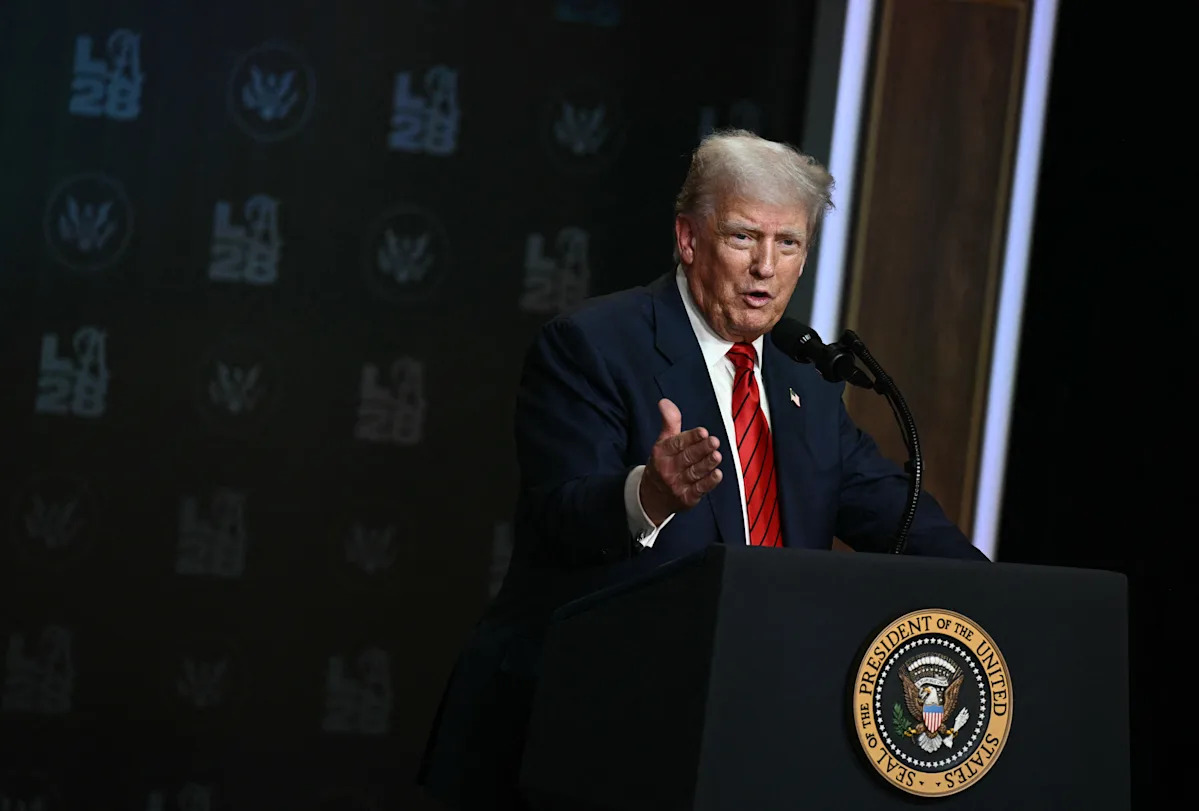
The Trump administration’s new tariffs have significantly reshaped U.S. trade by imposing an average applied tariff rate of around 27%, the highest in over a century. Key measures include a 25% tariff on autos and auto parts, a baseline 10% tariff on nearly all imports, and sector-specific duties impacting steel, aluminum, and others. These tariffs have led to increased costs for consumers, higher inflation forecasts, and a downward revision of U.S. GDP growth projections. The trade policies also triggered retaliatory tariffs from countries like China, resulting in a trade war that raises concerns about supply chain disruptions, product shortages, and price hikes. Businesses and economic leaders warn of the tariffs’ negative impacts on the U.S. economy, while ongoing negotiations and tariff modifications continue to influence global import dynamics and U.S. trading relationships.