







 |
| Gold V.1.3.1 signal Telegram Channel (English) |

Consumer Sentiment Drops to 2026 Low as Iran Conflict Sends Gas Prices and Stocks Reeling
2026-03-28 @ 09:01
Why the Iran conflict, spiking gas prices and stock volatility are tightening American budgets
March brought a sharp mood shift for U.S. households. The University of Michigan preliminary consumer sentiment index slid to 53.3, down 5.8% from the prior read and hitting the weakest level since December 2025. That single figure captures a trio of forces bearing down on everyday finances: the Iran conflict that began on February 28, a jump in gasoline and crude prices, and renewed equity market volatility.
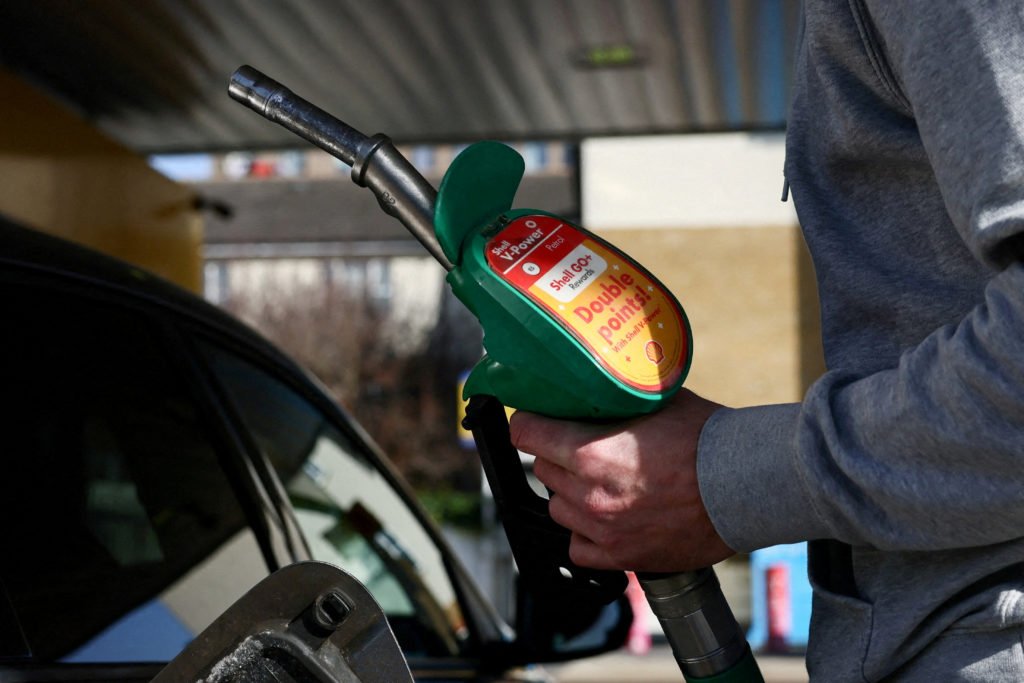
The pain is immediate at the pump. National average gasoline prices rose to about 3.98 dollars per gallon, roughly one dollar higher than before the conflict. On the commodities desk, Brent crude traded near 103.72 dollars per barrel and WTI around 97.35 dollars per barrel, with short-term moves in the low single-digit percentage range. Those energy cost increases feed directly into household budgets via commuting expenses, higher shipping costs, and pricier inputs for food and goods.
Equities have not been immune. The S&P 500 has fallen roughly six percent since the onset of the conflict, a retreat that pressures wealthier households who hold sizable equity exposure. The current conditions score for households earning more than 100,000 dollars fell about 3.5 points to 105.1, reflecting a pullback in discretionary spending intentions among higher earners. Meanwhile, the overall current conditions index ticked up slightly to 57.8, but the expectations component dropped to 54.1, signaling that confidence in the months ahead is weakening even if people judge today as tolerable.
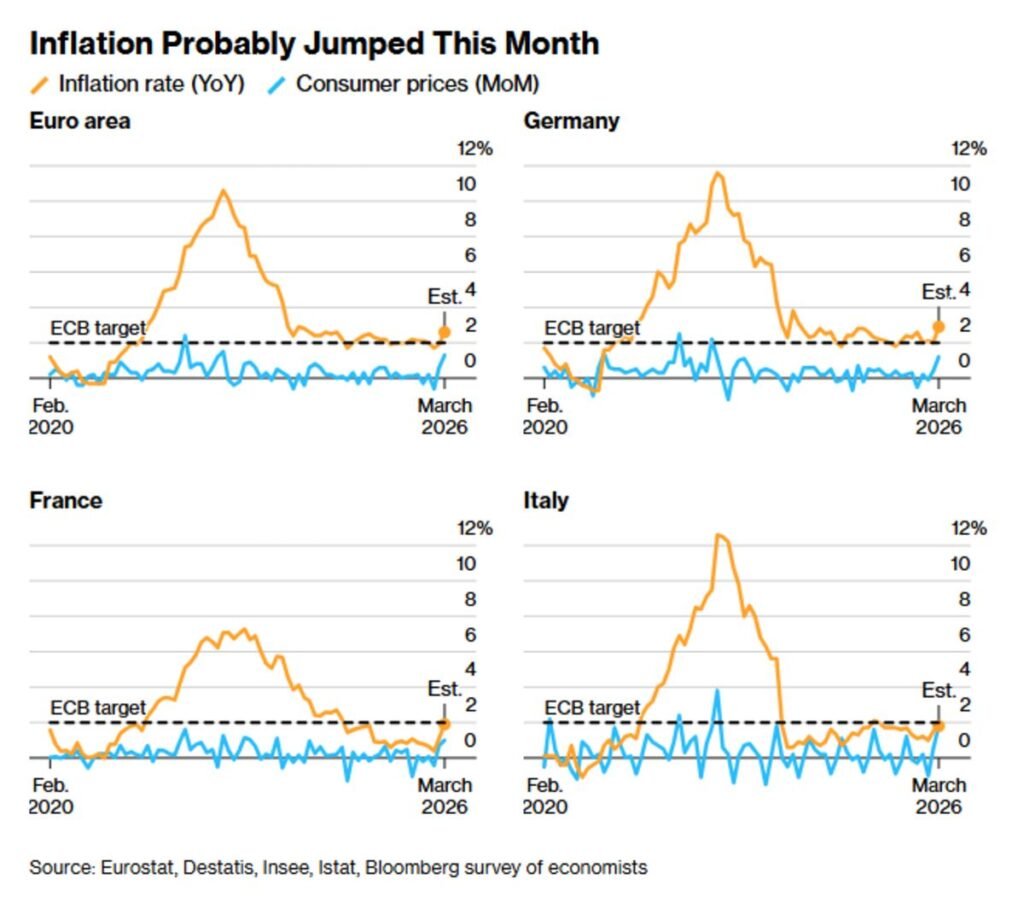
Inflation expectations have moved higher too. Year‑ahead expectations rose from roughly 3.4 percent to 3.8 percent, while longer‑run expectations sit near 3.2 percent. Rising expected inflation can blunt bond market rallies and complicate interest rate dynamics, since higher expected inflation narrows the room for real returns and changes how investors price fixed income returns.
Survey reads align across multiple trackers. A private consumer confidence index fell by about two points in a recent span, amounting to a cumulative drop of more than four points over two weeks, heavily influenced by high‑income cohorts. Public polls show most Americans are feeling the squeeze at the pump: roughly nine in ten expect oil and gas prices to stay higher, and around 85 percent report seeing local increases at their gas stations, consistent with auto club and AAA data.
Why this matters beyond headlines: consumer spending remains the backbone of U.S. growth. If wealth effects from equity declines lead higher‑income households to trim nonessential purchases, sectors such as dining, travel, autos, and luxury goods could see early weakness. Even with a relatively resilient labor market, sentiment shifts and higher energy costs can compress real disposable income, prompting more conservative consumption choices.
What to watch next. First, whether the oil price shock transmits into core inflation measures over the coming months. Second, whether stock market volatility stabilizes, as a calmer market would help restore confidence among asset‑rich households. Third, geopolitical developments: escalation in the Iran conflict, U.S. military moves, or significant OPEC+ supply decisions could either amplify the shock or help ease prices if supply concerns abate.
Practical stance for households and investors. With uncertainty elevated, prioritize liquidity and risk management. Households may want to reassess discretionary spending, build short‑term buffers, and lock in predictable costs where practical. Investors should weigh staggered entry or defensive positioning rather than trying to time a market bottom, since volatility can persist while geopolitical and economic signals evolve.
In short, March’s drop in consumer sentiment reflects more than a headline number. It is the combined effect of geopolitical shock, energy price pass‑through, and market volatility shaping how Americans feel about spending. Over the coming weeks, energy moves, equity stability, and political developments will determine whether this is a temporary confidence wobble or the start of a longer pullback in consumption. For now, cautious budgeting and thoughtful risk management remain sensible responses.