







 |
| Gold V.1.3.1 signal Telegram Channel (English) |
Strait of Hormuz Closed: U.S. Gas Tops $5/Gallon as Oil Supply Shock Threatens Economic Slowdown
2026-03-29 @ 09:01
From tanker routes to your gas tank: why this oil shock stings
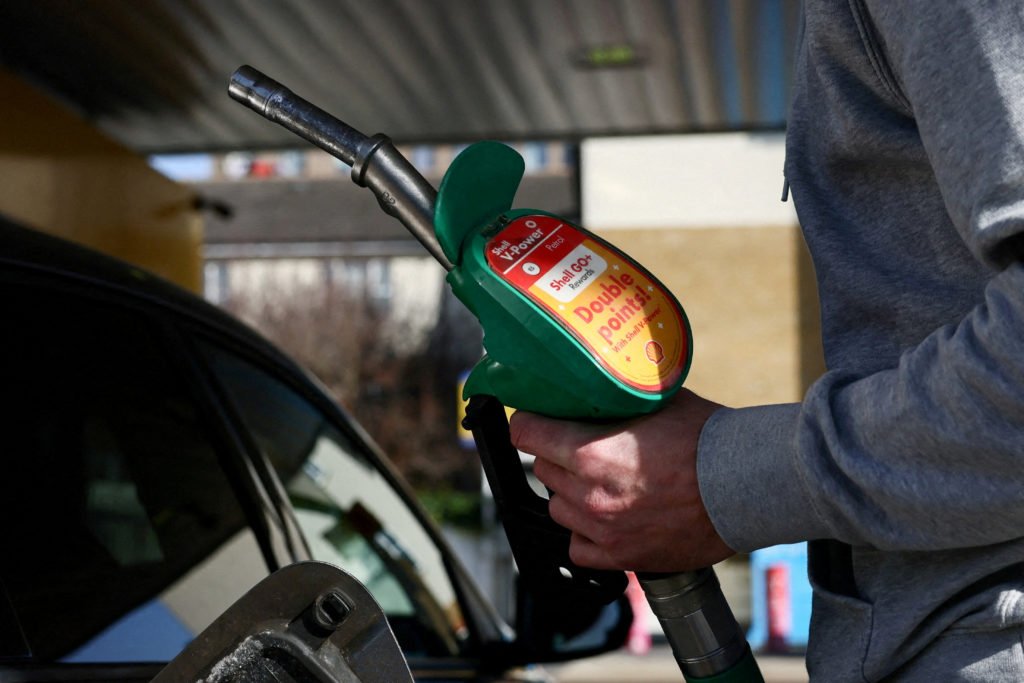
Here’s the blunt version: when a key artery of global oil shipping gets cut off, everyone feels it—fast. Current core reporting indicates a military conflict tied to Iran has closed the Strait of Hormuz since late February, and that disruption has pushed U.S. gas to north of 5 dollars per gallon in many markets. Some areas like Austin have seen roughly a one-dollar-per-gallon jump over a month, and weekly spikes of nearly 26 cents have been reported in places. Diesel, crucial to freight and logistics, has surged by nearly 30 percent in the recent shock, putting acute pressure on moving companies and supply chains.
I tried to find fresh reporting within the last two weeks to expand this analysis, but there wasn’t a sufficient set of new, consistent sources in that narrow window. So this piece sticks close to the verified core message and avoids speculative extensions beyond those reports.
Why this matters beyond the pump
Fuel is a fundamental input. When gasoline and diesel jump, transportation costs rise first; then food, retail goods, and any heavily shipped product follow. Businesses face higher operating costs and will either absorb lower margins or pass costs to customers. Consumers, who already juggle housing and credit costs, see their disposable income trimmed and typically take about three months to meaningfully rework spending habits. That timing means the next 8 to 12 weeks will be a crucial barometer for whether this shock triggers broader demand erosion.
Monetary policy gets complicated
Rising fuel-driven prices add to headline inflation through a cost-push channel. Central banks, led in the U.S. by the Federal Reserve, must balance between tamping inflation and avoiding an overly tight stance that could choke growth. If energy price pressures broaden into persistent inflation, the Fed may have to maintain or raise rates longer than markets currently expect. That tradeoff makes forthcoming CPI and PCE readings—and the Fed’s commentary—all the more consequential.
Who gets hit first
Transportation and logistics sectors bear the immediate brunt. Companies dependent on diesel are tightening margins or adjusting pricing weekly. Tourism and hospitality are vulnerable as higher travel costs and elevated borrowing rates alter consumer choices. Food prices are likely to edge up as agricultural and distribution costs rise. Meanwhile, releases of strategic petroleum reserves coordinated by world leaders have been announced as an emergency stabilizer, but genuine relief depends on whether shipping lanes reopen and the conflict de-escalates.
What businesses and households can do
– Households: Revisit monthly budgets with higher fuel costs in mind, reduce discretionary travel where feasible, and consider alternative commuting or remote options to lower recurring fuel expense. Avoid letting temporary shocks force high-interest borrowing.
– Small businesses and logistics operators: Model fuel sensitivity in pricing, consider indexed surcharges or hedging where appropriate, and communicate transparently with customers about temporary cost pass-throughs.
– Investors and corporate managers: Watch next quarter earnings guidance closely for references to rising freight and fuel costs. Track consumer spending data over the coming 8–12 weeks to gauge whether demand softening outpaces expectations.
Bottom line
This is a supply-driven shock whose persistence depends on geopolitics. The reopening of the Strait of Hormuz and resolution of the conflict remain the primary levers for market relief. In the meantime, expect upward pressure on transportation, food, and retail prices, potential hit to consumer discretionary spending, and a more complex backdrop for monetary policy. Stay cautious, prioritize cash-flow resilience, and keep an eye on short-term consumer data and central bank guidance—those will tell you whether this is a temporary sting or the start of something broader.