



 |
| Gold V.1.3.1 signal Telegram Channel (English) |
China’s PPI Surges Amid Iran War Oil Shock, Manufacturing Costs Spike
2026-04-10 @ 13:02
China’s PPI Hits Positive Territory Again After Three Years, Driven by Oil Price Shock
In March 2026, China’s Producer Price Index, or PPI, jumped into positive growth for the first time in three years, beating market expectations. The main catalyst? The Iran war, which sent Brent crude oil soaring to around $126 per barrel. Supply disruptions at the Strait of Hormuz only added fuel to the fire, driving a costly ripple effect throughout China’s manufacturing sector.
Manufacturing Feels the Heat: Plastic Prices Skyrocket, Supply Chains Tighten
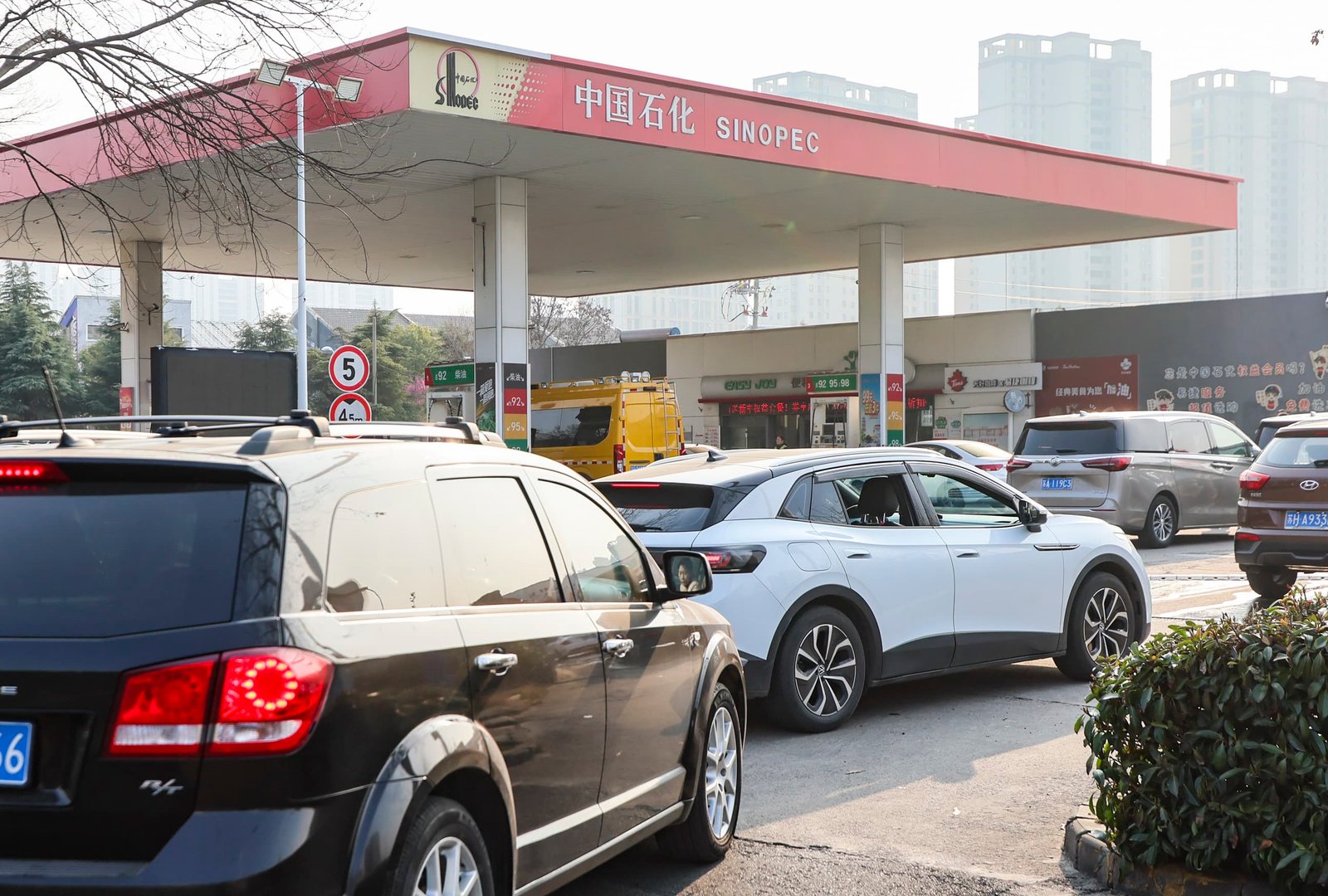
Plastics prices have surged more than 60% since March, hitting iconic hubs like Zhangmutou’s “plastic town” hard. The cost shock has doubled warehouse turnover to around 1,000 tons per day, even causing traffic jams stretching up to 15 kilometers due to stockpiling fears. It’s not just plastics — jet fuel, steel, aluminum, and fertilizer prices are climbing, squeezing margins for downstream producers badly. Carmakers and food manufacturers are caught in this cost squeeze, with used car prices hitting three-year highs, reflecting growing inflation pressures.
Market Movements: Profit Squeeze, Yuan Pressure, and Uncertain Demand
Margins are tightening for manufacturers just as demand recovery remains weak, shaking investor confidence. The yuan faces some depreciation risk, as this PPI uptick might mask underlying softness in domestic demand. China’s fuel weight in the Consumer Price Index is below 2%, so broad inflationary spillover remains limited compared to the US. Still, the currency market has its eyes peeled.
Bond Markets & Global Rate Outlook: Inflation Clouds the Horizon
Cost-push inflation could delay global rate cuts, with the US March CPI expected to rise to 3.4%, signaling oil’s creeping inflation impact on food and energy costs. China’s bond yields, however, have barely reacted, as the current inflation is not demand-driven. Investors should watch PPI closely, as it foreshadows consumer price trends ahead.
Key Watch: Strait of Hormuz Stability and China’s Policy Response
If oil prices stabilize within the next 3-6 months, the inflation impact on PPI and CPI could fade quickly — history has shown this during the 2022 Russia-Ukraine price shock. The key question is how long the Iran conflict drags on and how that continues to affect Hormuz flows. China’s central bank actions will also play a vital role in either softening or intensifying these cost pressures, with ripple effects expected across global commodity chains.
Bottom line: This PPI bounce isn’t a sign of broad economic recovery, but a cost shock born of geopolitical conflict and energy price spikes. Past episodes remind us these shocks can be fleeting if supply normalizes fast. For now, Chinese manufacturers and investors alike remain cautious, balancing risks as they navigate this volatile environment.