







 |
| Gold V.1.3.1 signal Telegram Channel (English) |
Ray Dalio Sounds Alarm on US Stagflation Risks as Fed’s Credibility Faces Inflation Showdown
2026-04-29 @ 13:02
Ray Dalio Flags US Stagflation Risk as Fed Credibility Is Put to the Test
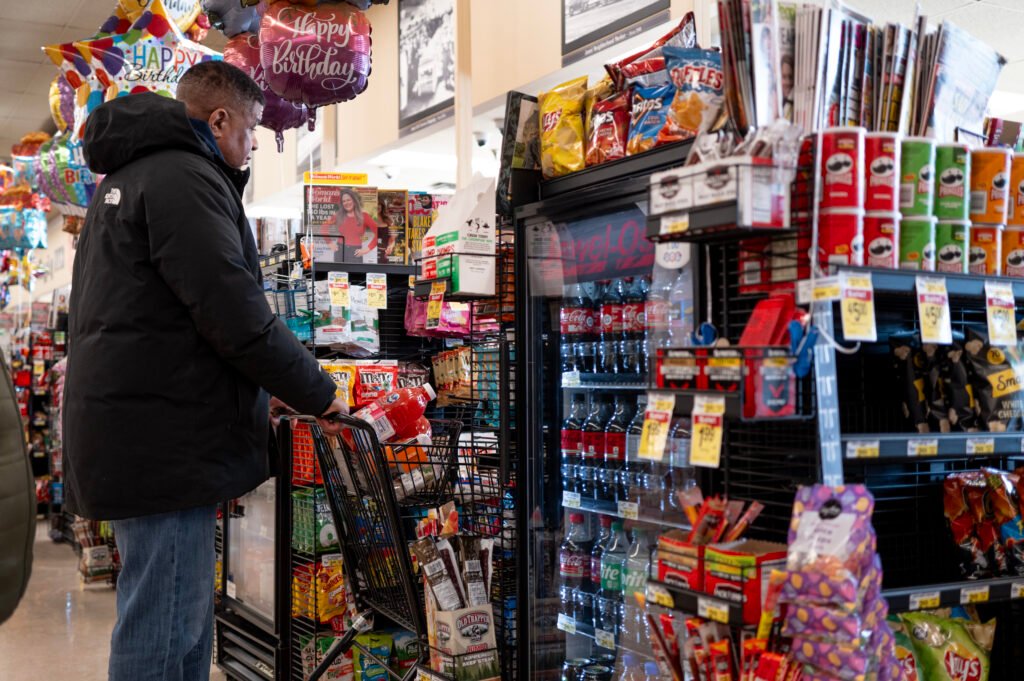
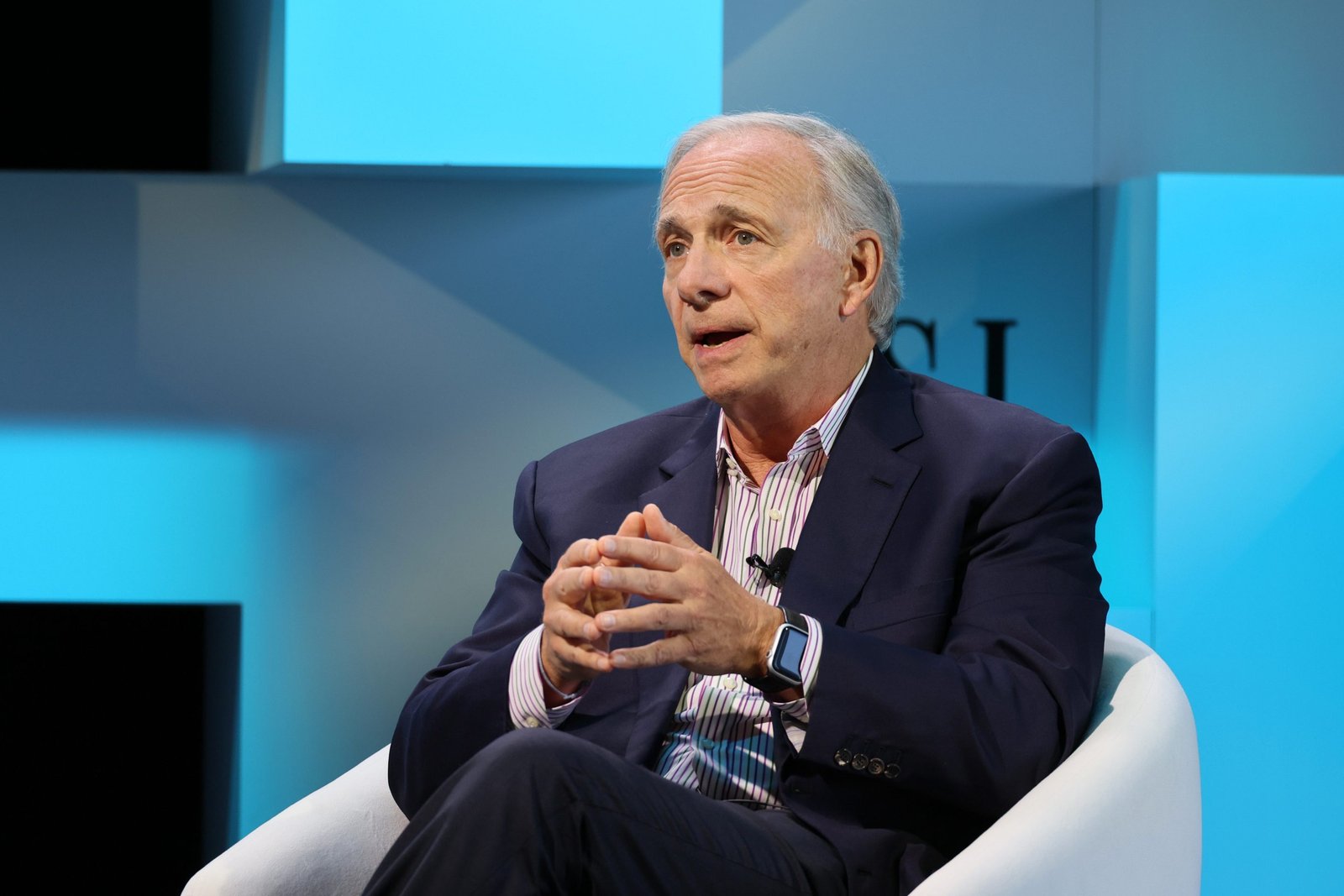
Feeling the pinch every time you shop or fill up your tank? Well, you’re not imagining things. Ray Dalio, founder of Bridgewater Associates, recently pointed out that the US economy is grappling with stagflation—a nasty combo of high inflation and sluggish growth. This isn’t just another inflation spike; it’s a more complex economic headache that’s weighing heavily on consumer confidence and affordability.
This March, the US inflation rate surged to 3.4%, well above the Federal Reserve’s 2% target. A key culprit? Energy shocks triggered by tensions in the Middle East, driving up oil and energy prices. These shocks disrupt not only consumer costs but also push up expenses across sectors like manufacturing and transportation, thanks to more volatile commodity prices.
For the Fed, this spells a serious credibility challenge. Dalio, along with an increasing number of Fed officials, is expressing concern over the persistent inflation and advocating for keeping interest rates “higher for longer.” The much-anticipated April 29 remarks by Chair Jerome Powell are expected to reinforce the Fed’s independence and a clear stance against rushing to cut rates, despite mounting political and market pressure. It’s a delicate balancing act that goes beyond interest rate decisions; it’s about keeping market trust intact.
Bond markets are feeling the heat, too. Ongoing inflation above the target is pushing bond yields higher as investors demand heftier returns to offset risks, which in turn sustains higher borrowing costs and tempers economic recovery. The equity markets aren’t immune either—rising financing expenses weigh on profit margins, particularly for consumer-sensitive companies, posing risks to stock market gains.
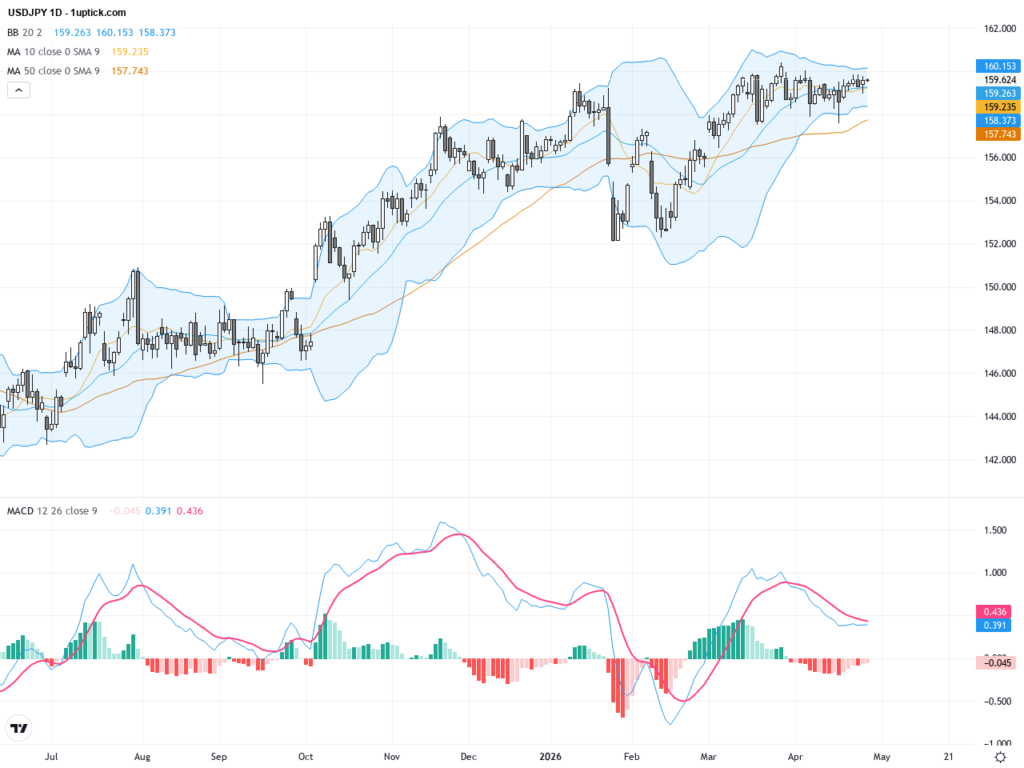
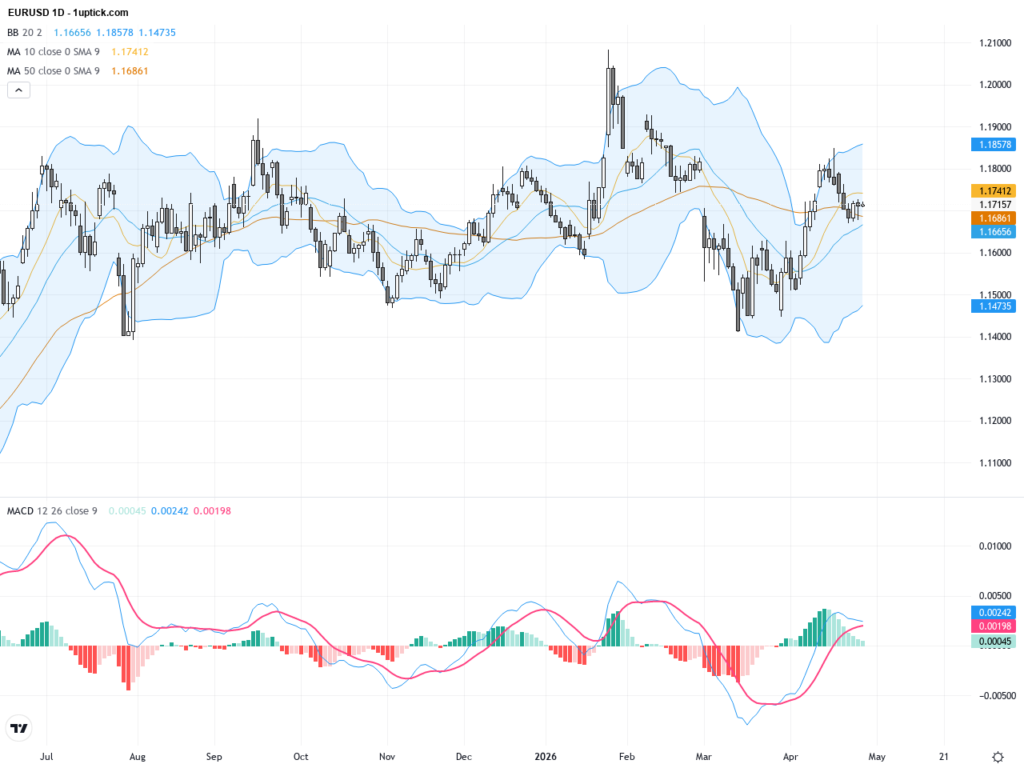
Meanwhile, the USD remains a safe haven amid policy uncertainty, strengthening against other currencies. But with stagflation risks looming, risk assets and consumer-driven sectors face elevated headwinds. Volatility in commodities, especially energy, continues to inject uncertainty into inflation trends—any fresh shock here could compel even more aggressive Fed tightening.
Adding another layer to the debate, former Fed Governor Kevin Warsh recently proposed using a ‘‘trimmed’’ inflation measure that excludes highly volatile items. This has sparked a lively policy debate—could alternative inflation metrics justify easier monetary policy, or would they be seen as data manipulation, potentially eroding Fed’s credibility?
Looking ahead, eyes are glued to Powell’s upcoming speech. Should inflation trends stabilize without unexpected spikes, the Fed may hold off on further hikes but would likely resist signaling any near-term rate cuts. However, if inflation surpasses the 5% threshold or energy prices soar again, the Fed might have no choice but to extend its tight policy stance. Maintaining consumer confidence and inflation control remains paramount for restoring Fed credibility and market stability.
Bottom line: This stagflation phase isn’t a short-term pain—it’s a marathon of economic challenges. Consumers feel squeezed, businesses face mounting costs, and financial markets are jittery. The Fed’s role as a credible anchor is more crucial than ever. Investors and everyday Americans alike should keep a close watch on policy shifts and market signals to navigate this tough economic terrain smartly.