







 |
| Gold V.1.3.1 signal Telegram Channel (English) |
Wall Street Titans Gate Private Credit Funds Amid Redemption Frenzy, Reviving 2008 Liquidity Woes
2026-04-02 @ 08:00
Wall Street’s Private Credit Funds Hit Redemption Locks: Is 2008 Coming Back?
In the last couple of weeks, major Wall Street powerhouses—including Morgan Stanley, Cliffwater, and Apollo Debt Solutions—have slammed the brakes on withdrawals from their private credit funds. Why? Investors rushed to redeem 11% to 14% of assets, forcing these funds to impose strict gates on redemptions. Some, like Morgan Stanley’s North Haven Private Income Fund, approved less than half the requests and capped future tenders at just 5%, aiming to avoid fire sales in a shaky market. Sounds eerily familiar to what happened during the 2008 financial crisis, right?
Morgan Stanley’s move to honor only 45.8% of redemption demands and limit redemptions echoes similar actions by Cliffwater and Apollo. Cliffwater, managing around $33 billion, approved about half of the redemption requests, while Apollo’s $25 billion debt solution fund also put a 5% ceiling on outflows. Even the Ares Strategic Income Fund limited redemptions to 5% after facing over 11% in requests.
Credit Stress Signals: Rising Defaults and Risk Spreads
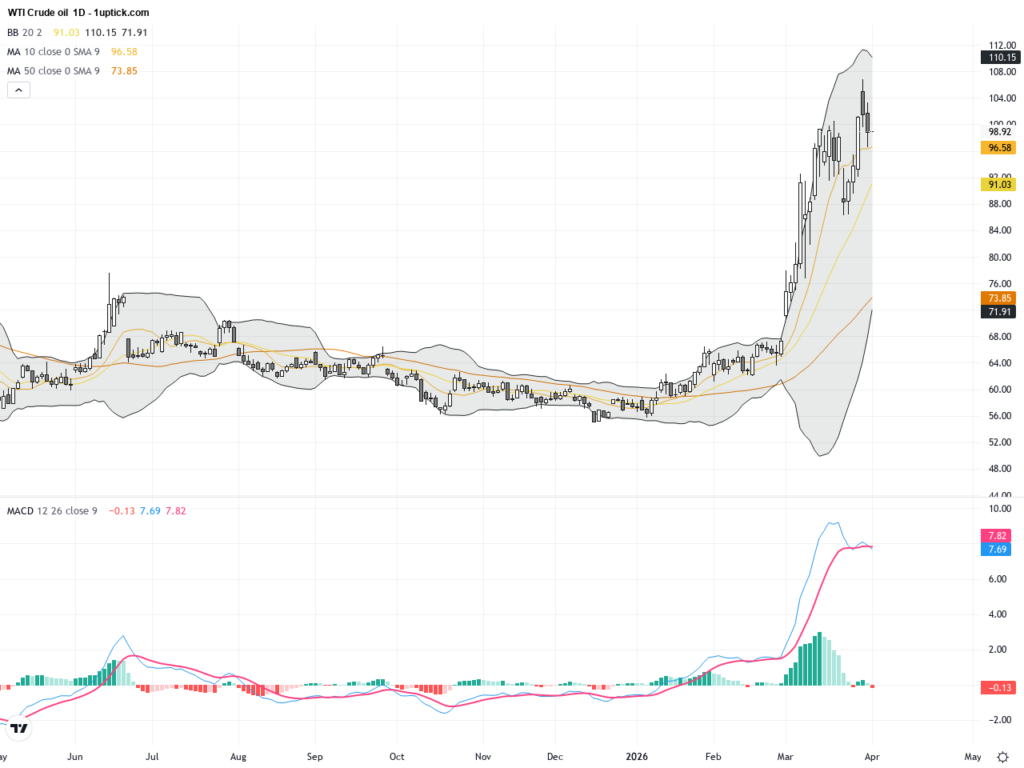
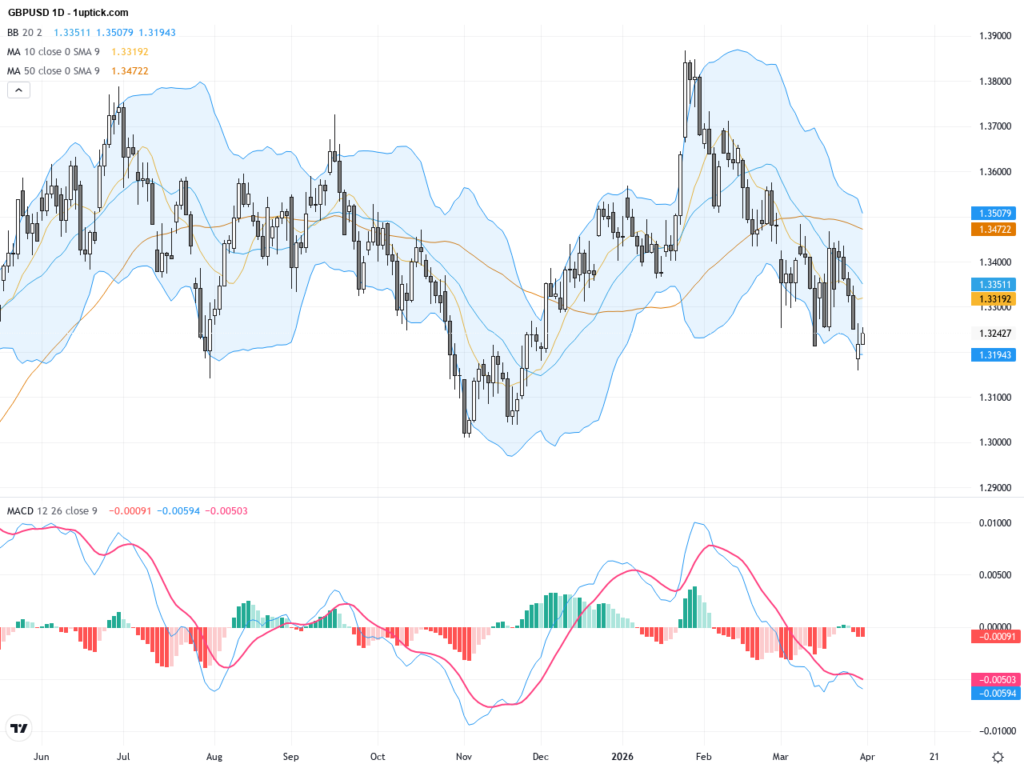
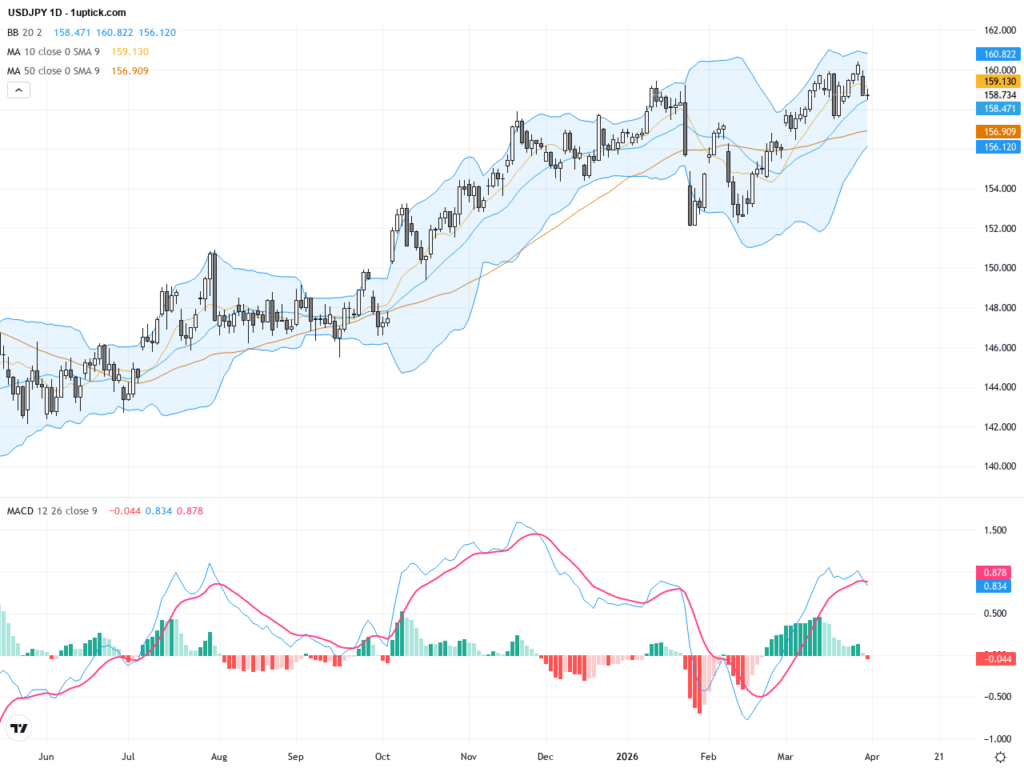
Behind this rush are rising worries about credit quality. Non-accrual rates among peers are hitting around 5.5%, signaling borrowers may be struggling. This creates a tough balancing act for alternative asset managers and business development companies (BDCs) handling the risk. Stocks in financials and leveraged sectors are vulnerable, showing downside risk in the face of this credit turmoil. Meanwhile, bond and high-yield markets have seen spreads widen as liquidity tightens. Commodity and FX markets remain relatively unscathed for now, but with global stagflation fears mounting, we can’t rule out ripple effects affecting risk assets further.
Looking Back to 2008: Voices of Caution
Lloyd Blankfein, former Goldman Sachs CEO, has sounded alarms over this developing scenario, drawing direct comparisons to the liquidity crunch that fueled 2008’s meltdown. The downgrade of a private credit fund to junk status recently has only deepened concerns about non-bank lending vulnerabilities—a sector that plays a crucial role in today’s credit landscape.
With private credit currently boasting a hefty $1.5 trillion market size, all eyes are on upcoming SEC quarterly filings. These will reveal whether redemption gates are here to stay and how non-accrual rates and BDC performances evolve. These indicators will be critical to understanding how deep this credit stress might run.
What Should Investors Watch?
If redemptions persist beyond the 10% mark, funds could be forced into distressed asset sales, potentially amplifying financial market stress. Investors—from retail to institutions—should evaluate their exposure carefully and tread cautiously. This evolving situation reminds us that even Wall Street giants are not immune to the twin challenges of credit risk and liquidity pressure.
In short, the recent redemption clampdowns by Morgan Stanley, Cliffwater, Apollo, and Ares spotlight a private credit market under strain. Navigating the next phase will require deft management balancing investor returns and risk mitigation as this crucial corner of the financial world faces a true stress test.