





 |
| Gold V.1.3.1 signal Telegram Channel (English) |
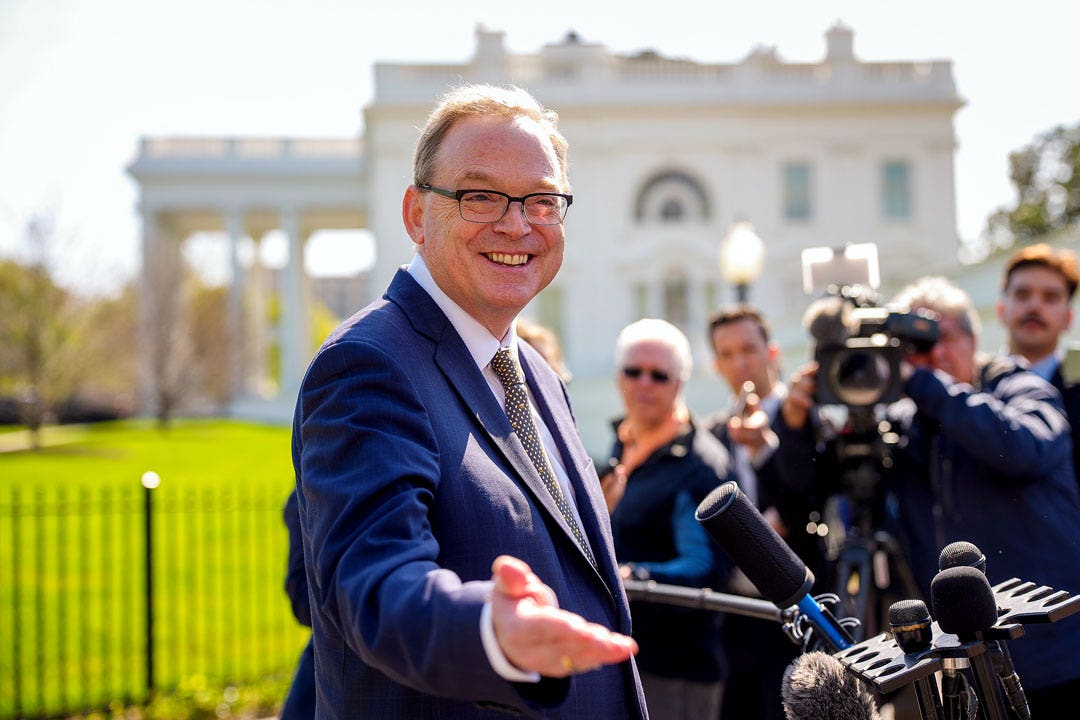
White House Predicts 5-6% GDP Growth Fueled by Capital Investment Surge; Market Experts Remain Cautious
2026-05-11 @ 13:02
White House Optimism Meets Market Skepticism
Recently, White House National Economic Council Director Kevin Hassett made headlines by forecasting a robust 5-6% GDP growth for the U.S. in 2026, primarily propelled by a boom in capital investment. This surge is largely driven by favorable tax policies and reshoring initiatives that are sparking renewed vigor in manufacturing and industrial equipment sectors. Yet, independent economists and the Congressional Budget Office (CBO) maintain a more measured outlook, forecasting growth closer to 2.8% and warning of ongoing headwinds like elevated tariffs, geopolitical uncertainties, and labor market tightness.
From an equities perspective, this capital spending trend supports continued strength in cyclical sectors such as industrials, manufacturing, and business equipment. Recent Federal Reserve surveys from Richmond, Philadelphia, and New York underscore robust manufacturing activity. However, stock valuations already embed these optimistic growth assumptions, so any disappointment could trigger volatility in the markets.
Looking at bonds and fixed income, if the economy genuinely grows at the White House’s projected 5-6% rate, long-term U.S. Treasury yields are likely to rise, especially as inflation remains stubbornly above the Federal Reserve’s 2% target. The CBO has recently updated its inflation forecast for 2026 from 2.5% to 2.7%, citing tariff-driven cost pressures, which could limit the Fed’s ability to cut rates as aggressively as markets currently expect.
The commodities market presents a mixed picture. Recent declines in oil prices somewhat back the White House growth scenario, but should manufacturing accelerate, energy prices could find support amid sustained tariff-related inflation pressures. Agricultural commodities face uncertainty tied to trade policy volatility.
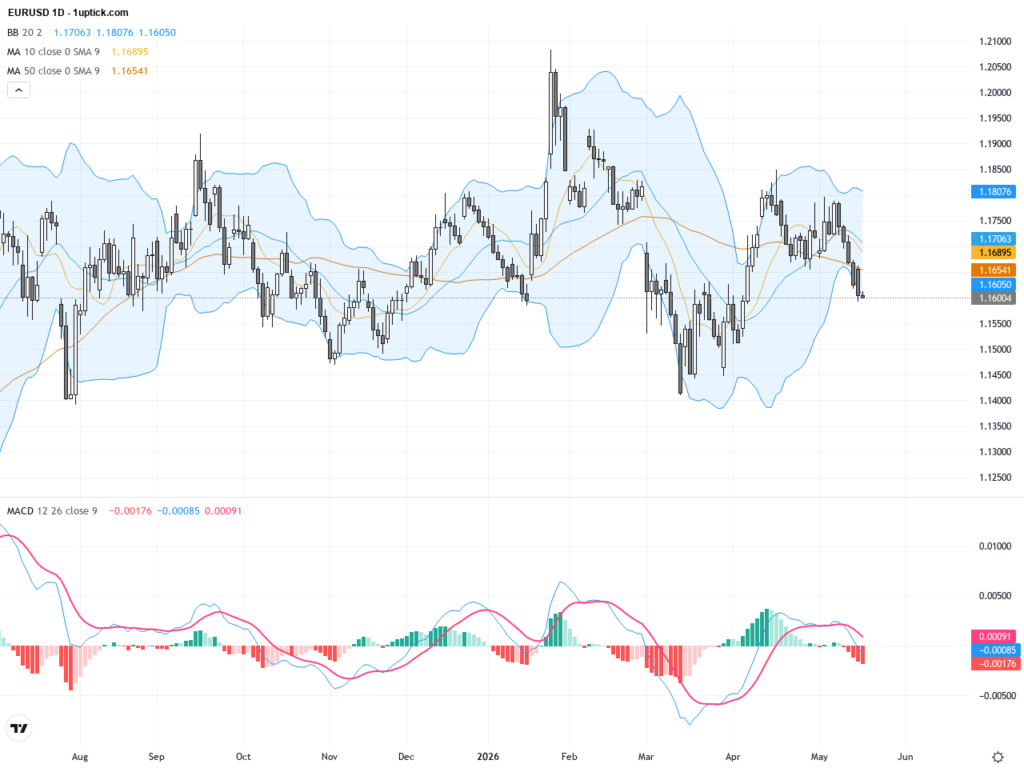
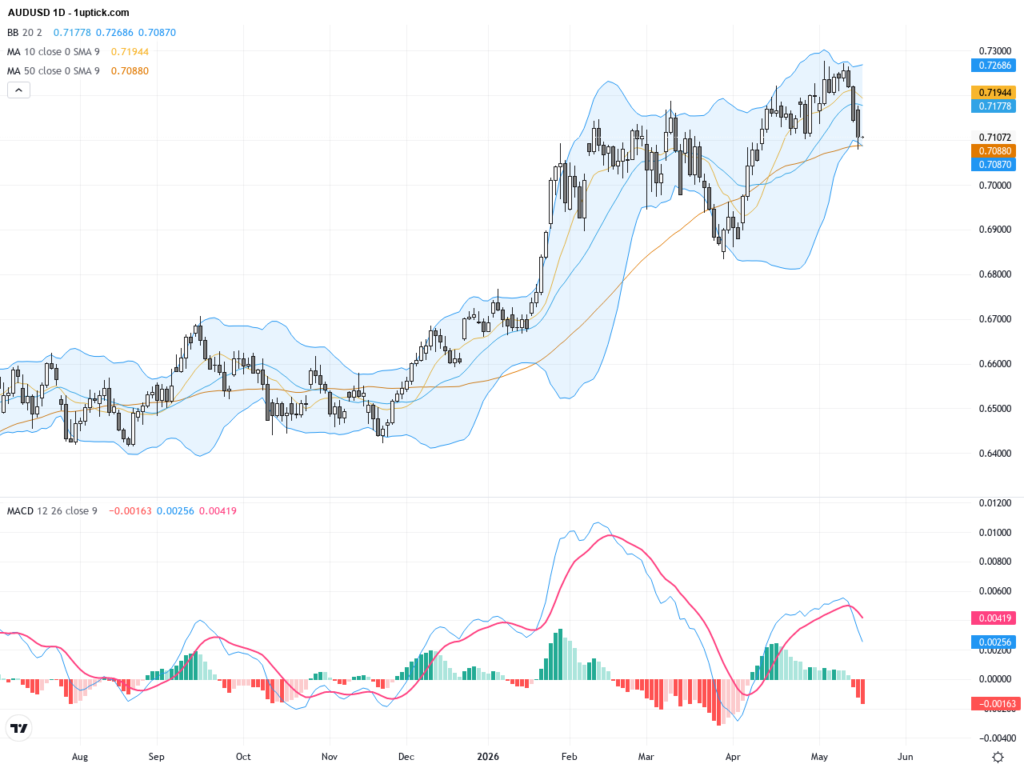
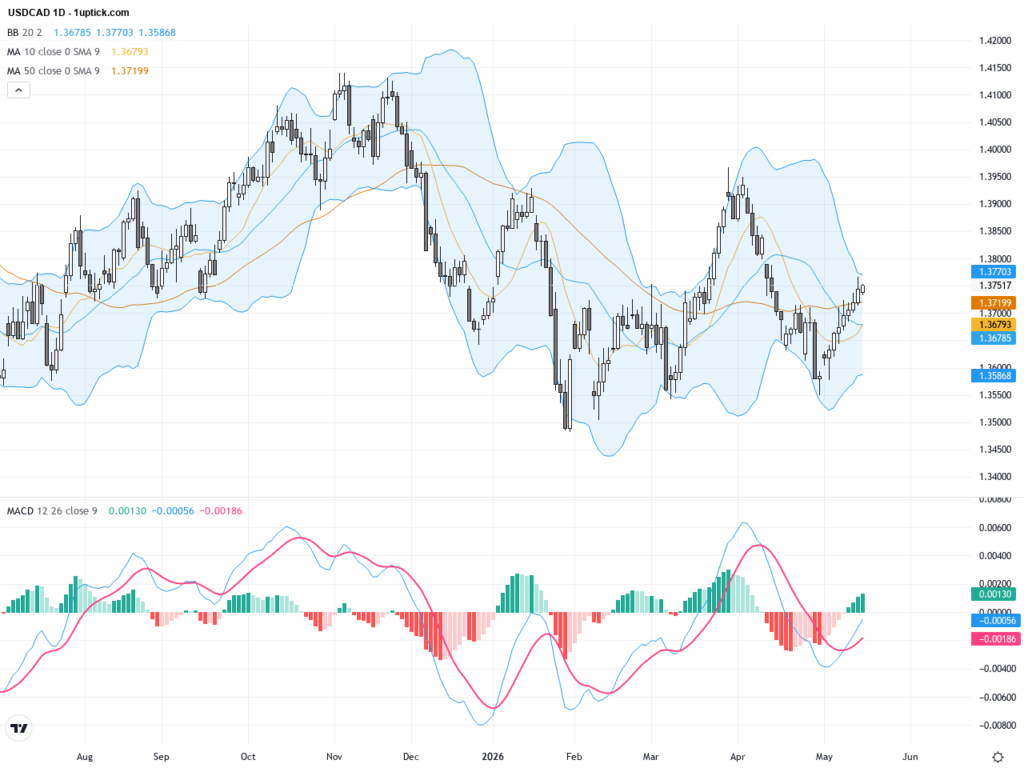
On currencies, a stronger U.S. growth trajectory would bolster the dollar against developed market peers, though tariff escalation risk adds volatility to the FX markets.
Recent Economic Trends Strengthen Capital Investment Argument
Data from Q1 2026 shows accelerating GDP growth, largely fueled by the strongest business investment expansion since 2023. The labor market remains resilient, with initial jobless claims dropping to their lowest levels since 1969 and personal income climbing at its fastest pace in nearly a year—critical for sustaining consumer spending.
Manufacturing momentum is impressive, with business equipment orders surging at their fastest pace in six years, signaling expanding industrial capacity. However, U.S. tariffs hovering near 17% remain a drag on costs, with the CBO highlighting tariffs as a protracted driver of upward inflation pressure.
Some top economists are nudging their 2026 GDP forecasts up to around 2.8%—a notch above consensus—but caution that expecting 5%+ growth is “priced for perfection,” leaving no wiggle room for geopolitical shocks or renewed trade tensions.
Key Watchpoints: Policy Moves, Labor Dynamics, and Risk Factors
The trajectory of U.S. tariff policy remains critical. The White House’s growth forecast hinges on tariff rates falling to 10% or lower. Escalations in tariffs would materially dampen growth potential and exacerbate inflation pressures.
Federal Reserve actions also warrant close monitoring. Sustained 5-6% growth would likely require the Fed to cut rates more aggressively than markets currently price in, a shift that could boost borrowing and investment.
Wage growth is another vital piece: to underpin a 5% growth scenario, compensation increases would need to accelerate from about 3.5% to approximately 5%. While tight labor markets support this, inflation dynamics might constrain real income gains.
Geopolitical risks, including U.S.-Iran negotiations and broader trade tensions, remain wildcards with the potential to rattle market confidence and supply chains.
Commercial real estate recovery is tied to mortgage rates falling below 4% and triggering refinancing waves, yet rising Treasury yields may complicate this outlook.
In summary, while the White House’s 5-6% GDP growth forecast paints an upbeat picture fueled by a capital investment boom, independent forecasts offer starkly more cautious expectations around 2.8%. The wide gap—over 2 percentage points—highlights considerable uncertainty, with upcoming Q2 data vital to clarifying the true trajectory of the U.S. economy.
Will this capital investment surge drive a new era of American economic dynamism? Investors and market watchers alike should stay alert to policy shifts and geopolitical developments to navigate potential volatility and uncover opportunities amid ongoing uncertainty.