

 |
| Gold V.1.3.1 signal Telegram Channel (English) |
Indonesia Nears Launch of Centralized Export Regime for Strategic Commodities, Markets on Watch
2026-05-25 @ 13:01
Indonesia’s Centralized Export Shake-Up: What It Means for Markets and Investors
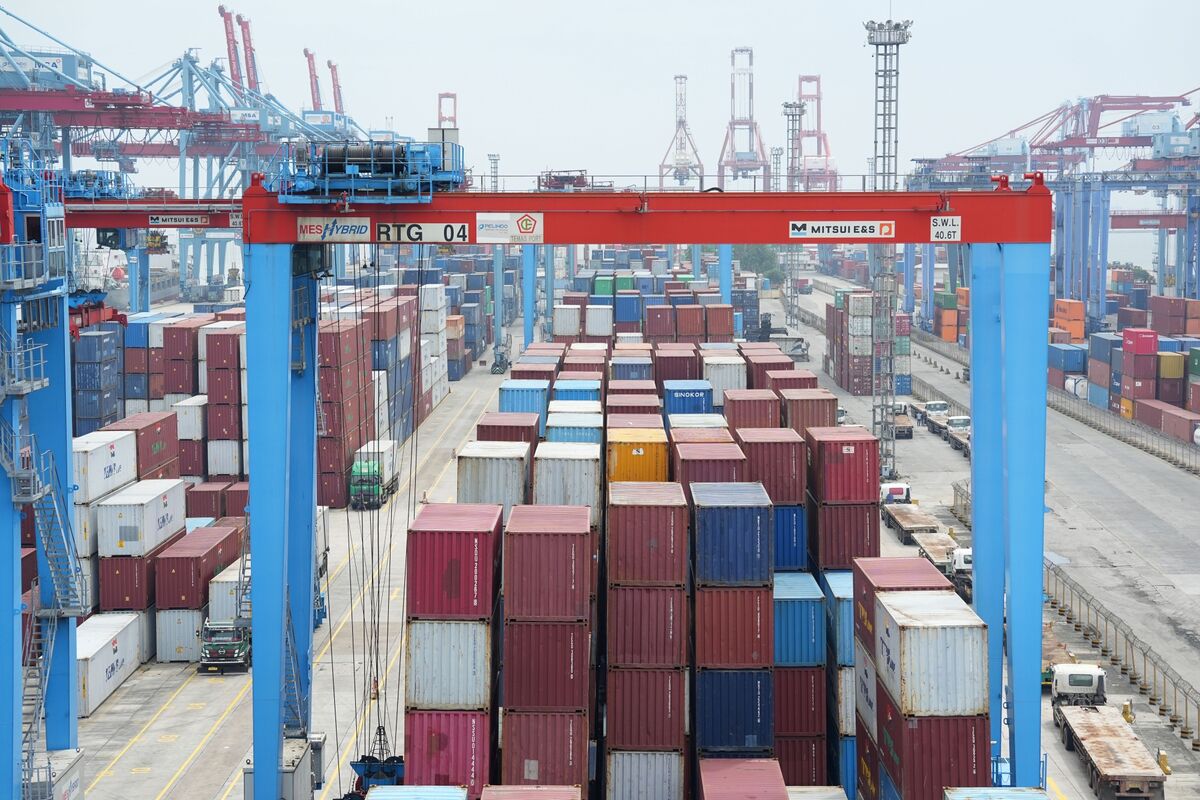
In the last two weeks, Indonesia has sent strong signals about a major policy shift: exports of key strategic commodities such as crude palm oil, coal, and ferroalloys will soon be funneled through one state-appointed export agency. This body, linked to the sovereign wealth fund Danantara, is designed to combat roughly 34 years of under-invoicing—estimated at nearly $900 billion—and help Indonesia capture more value from its rich resource base.
But what’s at stake here? In the short run, nerves are taut. Administrative hiccups—think slower customs clearance or shipping delays—could create bottlenecks that tighten supply on the global stage. Given Indonesia’s dominant role in palm oil and coal markets, even small disruptions have the potential to push prices up, especially for major Asian buyers like India, China, and the EU. These buyers might start diversifying supply chains to other countries like Malaysia or Australia, but completely replacing Indonesia’s volume will be tough.
Currency-wise, the Indonesian rupiah (IDR) could gain structural support from stronger export receipts and improved current account figures. However, the uncertainty around implementation risks could fuel market jitters, weighing on the IDR if exporters face delays or restrictions, and sparking wider risk premiums.
Equities tied to Indonesian commodity producers are in a holding pattern. Plantation firms and coal miners are facing potential margin squeeze if the government agency exercises pricing control or imposes fees—concerns that have put downward pressure on related stocks. On the flip side, state-owned enterprises or entities close to the agency could benefit from greater control and fee income, though questions about governance and profit-sharing transparency remain, raising flags among ESG-conscious investors.
From a credit perspective, if this policy can plug revenue leakages and boost government coffers, it might improve Indonesia’s credit outlook over time. Short term, however, investors are wary of execution risks. Any visible hiccup that reduces export volumes or chills foreign direct investment into downstream industries like refining or smelting could increase sovereign spreads and dampen growth expectations.
For Indonesia’s trade partners—India, China, the EU—higher policy risk and potential administrative delays are shaking up procurement strategies. Some are already eyeing alternative suppliers, which might momentarily benefit regional competitors. But Indonesia’s scale remains tough to match.
Officially, the reform is not an export ban but an anti-fraud measure rolled out gradually, with a three-month transition planned post-regulation. Key questions include how prices will be set (market-based or government-fixed), which commodities and downstream products fall under the regime, and how existing long-term contracts will be handled.
The coming weeks will be crucial, with eyes on detailed regulations and transition execution. Success means more state revenue and less leakage; failure could mean persistent market uncertainty and ripple effects across commodities, currencies, and equities worldwide. This isn’t just an Indonesian policy update—it’s a potential turning point reshaping global commodity supply chains and investor sentiment. Stay tuned as this story unfolds.