









 |
| Gold V.1.3.1 signal Telegram Channel (English) |

US Housing Market Weakness Spreads Beyond Sun Belt with Coastal Giants Like LA and Dallas Feeling the Pinch
2026-05-27 @ 13:03
US Housing Market Cooling Widens: Coastal Metro Areas Join the Downtrend
The US housing market is finally showing signs that the frenzy is cooling off—and it’s not just the usual suspects in the Sun Belt anymore. Big cities like Los Angeles and Dallas are now also experiencing price drops after months of steady growth. In fact, recent data shows home prices have fallen for two consecutive months in the S&P CoreLogic Case-Shiller 20-city index, a level of slow growth we haven’t seen in years.
So, what’s behind this shift? The biggest culprit is high mortgage rates – what experts call a “rate shock.” Those elevated borrowing costs have put a serious damper on homebuyer demand, nudging the market back toward a more balanced state. Even though supply constraints still exist in many places, soaring financing costs are keeping buyers on the sidelines, and prices are adjusting accordingly.
This weakness is hitting related stocks too. Homebuilders and building materials companies particularly exposed to Texas, Florida, and western metros are feeling the squeeze as slower price appreciation hurts sales and pricing power. Regional banks with heavy residential mortgage portfolios are seeing slower loan growth and some pressure on collateral values, though the situation remains far from a systemic crisis.
Real estate investment trusts (REITs) that focus on single-family rentals are facing a mixed bag. Weaker prices make acquisition opportunities more attractive, but slower rent growth and fewer turnovers in once red-hot migration markets are tamping down their near-term revenue growth prospects.
The Broader Economic Ripple Effects
The cooling in home prices reflects a sector reacting sharply to tightening financial conditions and high policy rates. If the housing market slowdown starts to drag on consumer spending and construction activity more noticeably, it could increase pressure on the Federal Reserve to consider easing monetary policy sooner, assuming inflation trends cooperate.
That scenario would likely boost Treasury bond markets, as expectations of rate cuts tend to raise demand for government debt. Still, for now, what we’re seeing looks more like a normalization—prices and sales volume adjusting—instead of any kind of chaotic collapse.
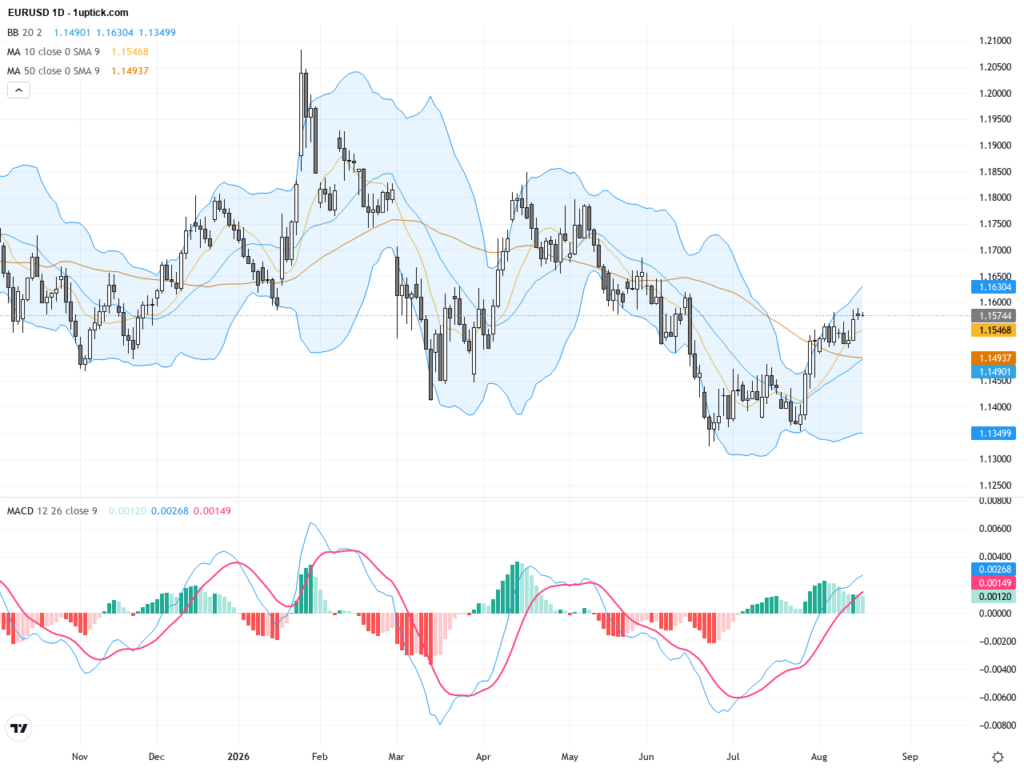
On the currency front, a slowdown in US housing-led growth is putting mild downward pressure on the dollar’s growth advantage over other developed market currencies, especially if it implies an earlier or deeper Fed easing cycle. However, these effects are tentative and very data-dependent at this stage.
Construction Material Demand Fades Alongside Housing Activity
The slowdown in single-family home construction and remodeling is tempering demand for key construction commodities like lumber, capping the price increases that surged post-2020. Still, multi-family housing and infrastructure projects are keeping baseline demand and employment in construction-related sectors alive in several regions.
Market Data and Forecast Updates
The latest figures paint a sobering picture. Home price growth nationally is at a multi-year low. The FHFA’s March data shows just 1.7% year-over-year appreciation—the weakest since the housing bust following the 2008 financial crisis.
Even more concerning, 80 of the 300 largest US metropolitan areas now have year-over-year price declines, compared to far fewer earlier in the cycle and no longer concentrated only in the Sun Belt. Coastal giants like Los Angeles and Dallas are now on this growing list, impacted by affordability limits and the fading effects of pandemic-era migration.
Given these trends, prominent forecasters have trimmed their home price outlooks through 2026, moving from expectations of renewed growth to a flatter or mildly negative trajectory, especially in large metro areas.
What to Watch Going Forward
The biggest question mark remains how mortgage rates will move. The timing and pace of Federal Reserve rate cuts, and whether 30-year mortgage rates fall sustainably from current highs, will be the key market-moving factor. A meaningful drop in borrowing costs would be the clearest catalyst for stabilizing home sales and prices.
The labor market and wage growth also matter a lot. Since 2016, home prices have jumped over 80%, while wages have only risen about 47%, squeezing affordability. Any slowdown in income or employment growth could add more downward pressure on prices, especially in high-cost coastal and previously booming Sun Belt markets.
Tracking active inventory, days-on-market, and price-cut frequency across markets where declines are setting in will be crucial for spotting whether this adjustment stays gradual or morphs into something sharper. So far, household leverage and lending standards remain healthier than before 2008, suggesting what lies ahead is more likely a mild correction or prolonged stagnation rather than a full-blown crash.
Regional Differences Deepen
Markets that saw the biggest pandemic-driven price surges, mainly in parts of the Mountain West and certain Sun Belt metros, are most vulnerable to further declines. High-cost coastal cities like Los Angeles may experience extended periods of flat or slightly negative prices as they work down affordability imbalances, while more affordable Midwestern markets could hold up better.
Bottom line? The US housing market is navigating a broad-based and deeper adjustment than many expected. Buyers, sellers, investors, and builders alike should keep a close eye on the evolving interest rate landscape, economic conditions, and market-specific signals to manage risks and opportunities in this uncertain environment.