

 |
| Gold V.1.3.1 signal Telegram Channel (English) |
U.S. Strategic Petroleum Reserve Hits 40-Year Low, Tightening Oil Market’s Safety Net
2026-06-03 @ 13:03
What the U.S. Strategic Petroleum Reserve’s 40-Year Low Means for Oil Markets and Beyond
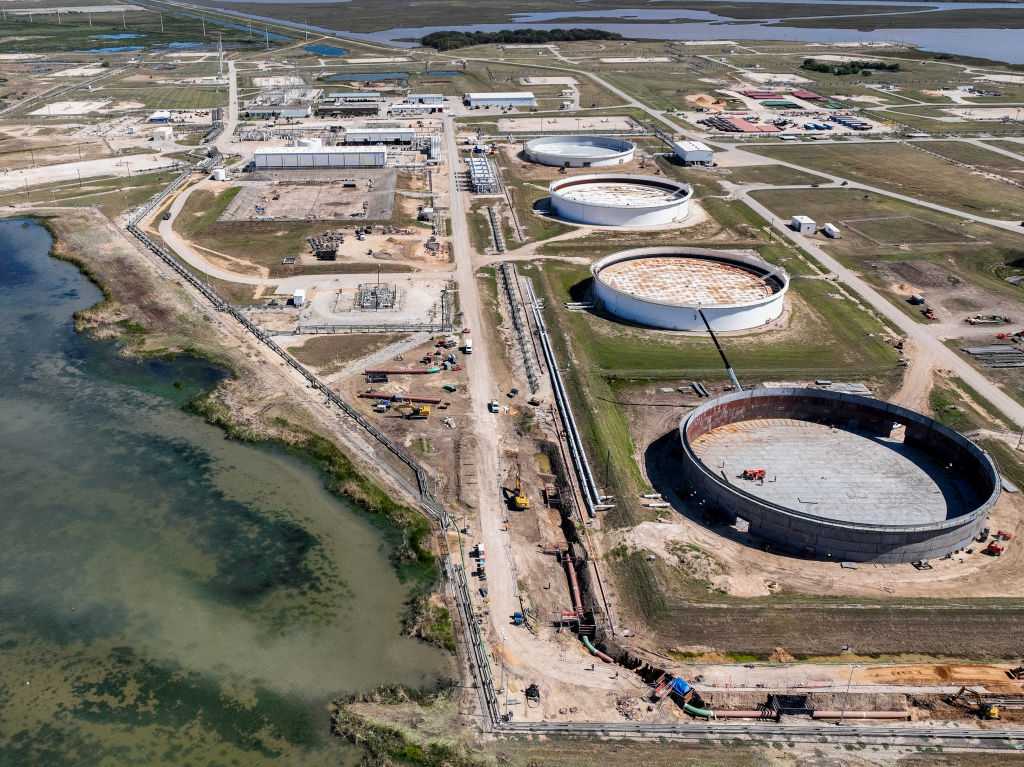
By late May, the U.S. Strategic Petroleum Reserve (SPR) had dwindled to roughly 365 million barrels, marking the lowest level in nearly four decades. This puts the reserve at just about 51% of its authorized capacity of 714 million barrels—significantly below pre-pandemic levels. Recent weeks have seen heavy releases, including a draw of over 9 million barrels in a single week, designed to ease domestic fuel price spikes and supply chain disruptions. But this relief comes at a cost: the U.S. government’s primary cushion against global oil shocks has notably thinned.
From a market perspective, this structural shrinkage means America’s ability to counter sharp price jumps with swift, large-scale releases is increasingly limited. Should geopolitical tensions flare—think Middle East instability or key shipping routes being threatened—oil prices could face far steeper swings than before. Investors, anticipating higher risk, may price in a larger volatility premium, nudging medium-term oil prices upward.
The impact isn’t confined to crude prices. For the U.S. dollar, a smaller reserve makes the country somewhat more vulnerable to energy supply shocks. In times of heightened uncertainty, investors often flock to U.S. Treasury securities and assets, which can lend the dollar some support. Yet, domestically, volatile fuel costs raise concerns over economic resilience and consumer spending power.
Equity markets are seeing a clear divide. Energy producers and oilfield service companies look poised to benefit from higher and more volatile oil prices, as tighter supplies could push margins up. On the flip side, refiners and transportation-heavy sectors—including airlines, automotive, and retail—face margin compression risks due to rising fuel expenses. These cost pressures trickle down to consumers, who may feel the squeeze as higher fuel prices erode disposable income and dampen spending.
Bond markets are not immune. Heightened energy price uncertainty breeds renewed inflation worries, especially for long-term U.S. Treasuries whose term premiums could stay elevated. If markets begin to price in energy-driven consumer price inflation shocks, this could influence Federal Reserve rate expectations and increase risk asset volatility.
Recent data highlights that as of late May, the SPR accounts for approximately 23% of total U.S. petroleum stocks—signaling a shift toward greater reliance on commercial inventories and flexible market adjustments. The U.S. Department of Energy confirms that despite lower volume, the SPR system still maintains its capacity to release up to 4.4 million barrels per day, with about a 13-day delay between presidential approval and market delivery. So, while the stockpile is smaller, the mechanical readiness remains intact.
Looking ahead, several key watchpoints emerge. Will the current administration halt further large discretionary releases and begin rebuilding the reserve gradually? The approach will hinge on oil price trajectories and political factors, especially with presidential elections on the horizon. Meanwhile, geopolitical flashpoints remain a wildcard—any escalation could spark outsized price moves given the thinner safety net. Lastly, the economics of replenishment matter: refilling at elevated prices may tighten immediate supply further, bolstering prices, while slow build-up would leave vulnerability but less immediate upward pressure.
In short, the Strategic Petroleum Reserve’s significant drawdown reduces a critical shock absorber at a time when the global oil market faces multiple uncertainties. For investors and policymakers alike, understanding this new reality is essential for navigating potential price swings, dollar dynamics, sectoral performance, and inflation risks in the months to come.