







 |
| Gold V.1.3.1 signal Telegram Channel (English) |
Europe’s Safe Asset Debate Heats Up as ECB Backs Joint Borrowing Talks
2026-07-10 @ 13:02
Europe Reignites Safe Asset Debate with ECB Championing Joint Borrowing
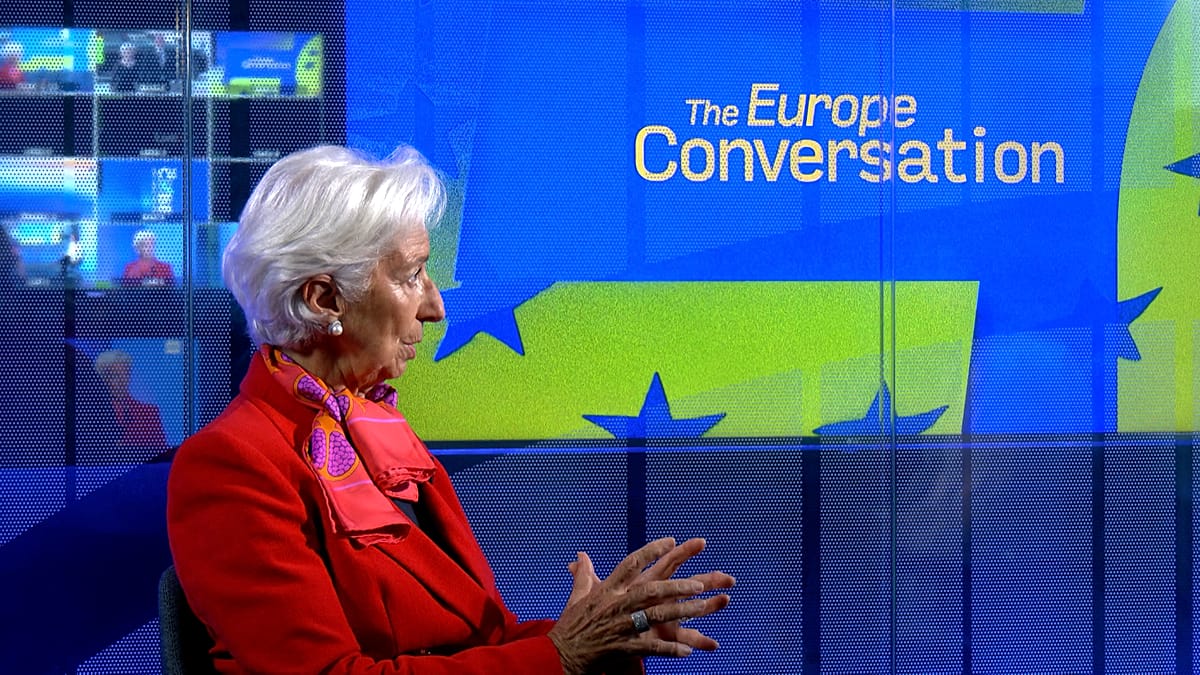
In a recent interview with Euronews, European Central Bank (ECB) President Christine Lagarde threw open the door for a long-discussed but sensitive topic: the creation of a safe and liquid “European asset.” Her remarks have stirred fresh momentum within financial circles and policymakers alike, especially following Spain’s bold proposal for joint EU borrowing mechanisms. The push is clear—Europe is eager to deepen fiscal integration and bolster the euro’s role on the global stage.
The core of the debate centers on developing a eurozone sovereign bond system that could rival the US Treasury market, widely regarded as the global benchmark for safety and liquidity. For decades, US Treasuries have been the go-to “safe haven” for central banks and investors worldwide. Europe now seeks to establish its own credible alternative that could not only deepen its financial markets but also enhance the euro’s attractiveness as an international reserve currency.
Lagarde was careful to stress this is still “open for debate,” rather than an immediate ECB policy shift. Her endorsement of Spain’s joint borrowing proposal signals willingness to start serious conversations about EU-wide common funding tools. Success here would support the growth of a more robust euro-denominated sovereign curve, critical for global institutional investors looking to diversify beyond US assets.
From a market perspective, stepping up common issuance could improve liquidity and transparency, benefiting financial institutions, sovereign-linked issuers, and capital markets players. Moreover, enhanced fiscal integration would likely fuel investments in key cyclical sectors such as infrastructure, defense, and digital technologies. For FX markets, the emergence of a bona fide European safe asset could boost the euro’s medium-term tone, though any immediate currency moves may be muted as markets await concrete policy action.
Strategically, this debate is deeply linked with Europe’s geopolitical and energy challenges. Massive capital is needed to fund energy transition efforts and strategic infrastructure—areas that would benefit from stable, unified financing frameworks. In today’s volatile global monetary environment, building a cohesive European financial architecture feels more urgent than ever.
Looking ahead, critical questions remain: Will EU leaders, especially powerhouses like Germany, France, and Spain, find common ground on a practical framework for joint borrowing? Market watchers will closely analyze German Bund yields against peripheral spreads to gauge investor sentiment on risk-sharing progress.
Additionally, the ECB’s stance on balancing support for market reforms versus leaving fiscal integration to governments will be key. While the road is fraught with uncertainties and concerns over risk-sharing, the very reopening of this dialogue signals a potential turning point for the eurozone’s financial sovereignty and its place in the global monetary order.