

 |
| Gold V.1.3.1 signal Telegram Channel (English) |
Global Cost Shakeup: Tel Aviv Surges While Tokyo Drops in Deutsche Bank Rankings
2026-07-15 @ 13:03
The Changing Face of Global City Living Costs
Deutsche Bank’s fresh “Mapping the World’s Prices” report offers an eye-opening glimpse into how the playing field of global city living costs is being reshaped. This time around, everyone’s zooming in on Tel Aviv and Tokyo—two cities moving in opposite directions on affordability and expenses.
Tel Aviv, Israel’s vibrant tech and financial hub, is making headlines with sharp increases in housing prices and consumer costs alike. Deutsche Bank ranks it as the 8th most expensive city for buying property worldwide, with average central city apartment prices clocking in at about $18,468 per square meter (around ₪62,237). That means a typical 100-square-meter apartment can cost roughly $1.85 million. It’s right up there with real estate giants like New York and Hong Kong, surpassing major European capitals such as Paris, Berlin, and Sydney.
Currency dynamics play a critical role here—Israel’s shekel remains resilient, pushing local costs higher for foreign investors and expatriates. Tight housing supply compounds demand, offering solid pricing power to developers and construction firms. But the flip side is a growing affordability crisis sparking political debates and calls for housing reforms. Israel’s policymakers will need to pay close attention to zoning regulations, taxation, and incentives to ease this pressure in the medium term.
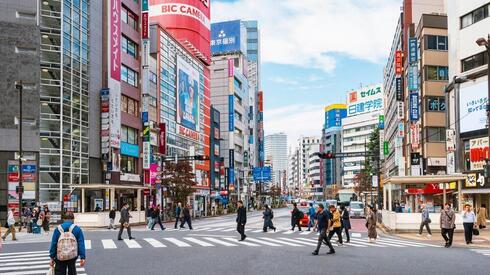
On the flip side, Tokyo’s rank is slipping. The yen’s sustained weakness over the last two weeks, combined with slow growth in housing prices and moderate inflation, has made Tokyo more affordable in dollar terms. This shift improves Tokyo’s appeal for expatriates and international businesses reconsidering global talent hubs.
Investors and corporate decision-makers should closely monitor currency movements and housing policy adjustments in these cities. Currency strength or weakness will directly affect foreign capital costs and purchasing power, while policy reforms and supply measures will shape market fundamentals over time. Sectors tied to essential goods, real estate, and infrastructure in Tel Aviv are poised to benefit from pricing strength, while discretionary consumer and tourism-linked services could face headwinds if residents or visitors cut back.
Don’t overlook how these evolving cost landscapes will influence corporate compensation frameworks and expat benefits—especially for multinational firms with large urban workforce footprints. As Tel Aviv cements itself as a top-tier expensive city and Tokyo becomes more competitively priced, these shifts signal a broader wave of economic center realignment and labor mobility.
Keep a close eye on currency trends and housing policy changes in both cities to navigate your next moves in investment and lifestyle planning.