







 |
| Gold V.1.3.1 signal Telegram Channel (English) |

Japan’s Tourism Boom Reveals Sharp Labor Shortage in Accommodation Sector
2026-07-12 @ 13:01
Japan’s tourism revival is booming—but the accommodation sector is scrambling for staff!
Japan is welcoming a flood of inbound tourists again, and this surge should be great news for hotels and inns. But here’s the catch: the latest 2026 Tourism White Paper reveals that over 72% of Japan’s lodging facilities are grappling with labor shortages, especially in housekeeping, front desk, and food services.
Why? The reality bites—low pay, long hours with little time off, and tough working conditions are making it tough to attract and keep workers. Although there’s increased hiring of foreign and part-time staff, this still isn’t enough to meet demand, raising concerns over maintaining the quality of guest services.
Market impact: How are businesses navigating this staff crunch?
For accommodation, travel, and leisure companies listed on the stock market, it’s a delicate balancing act. Rising visitor numbers boost revenues and average room rates (RevPAR), but wage inflation and overtime costs tighten margins, hitting smaller ryokans and independent hotels especially hard.
Bigger hotel groups and online travel platforms are better positioned—they have deeper pockets to invest in automation tech like self-check-in kiosks, cleaning robots, and smart booking systems. They’re also doubling down on M&A to snap up smaller operators struggling with staffing.
Currency and bonds: subtle but telling signs
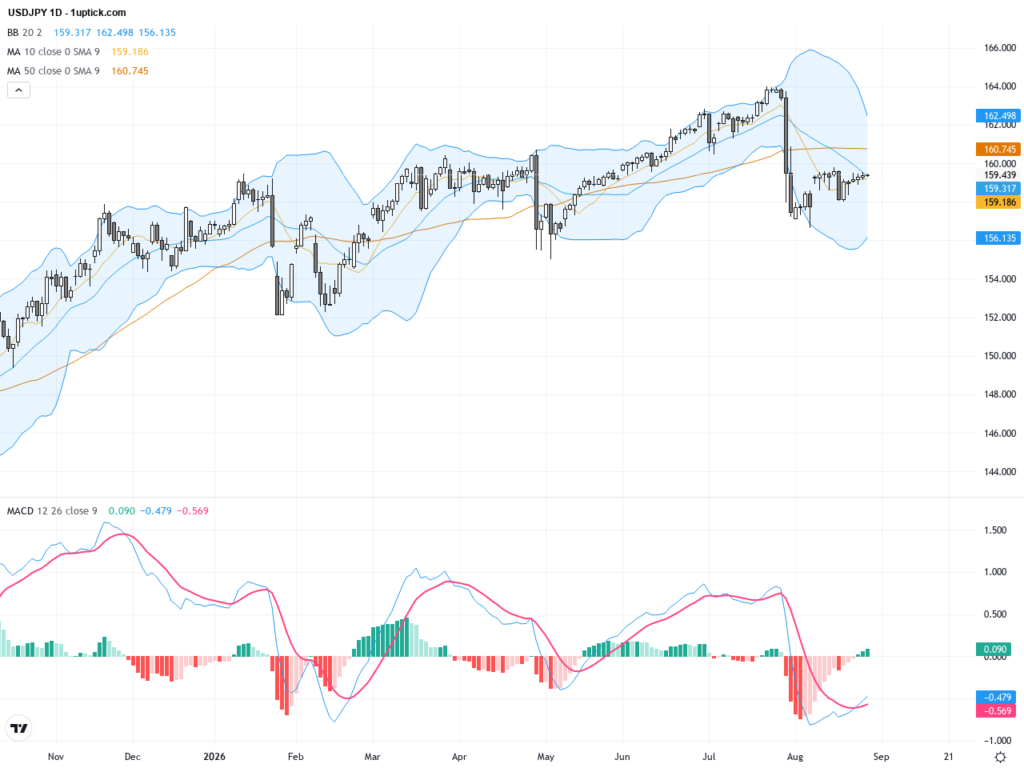
The tourism upswing helps Japan’s services trade balance, but when it comes to the yen, the direct impact is modest compared to Bank of Japan (BOJ) monetary policy and global interest rate moves. The labor crunch, though, adds to worries about long-term structural constraints, reinforcing the narrative that Japan’s economy still faces deep demographic and workforce challenges.
In the government bond market, these labor pressures hint at potential wage-driven inflation risks down the line, although immediate effects on inflation and fiscal policy remain limited. Investors are increasingly aware of how population trends will shape Japan’s economic dynamics.
Real estate and investment angles
Key tourist hubs like Tokyo, Osaka, Kyoto, Hokkaido, and Okinawa continue to enjoy high occupancy and resilient room rates. Yet labor shortages are starting to put a cap on operations and delay refurbishments or expansions. This could influence capital expenditures and slow transaction activity among hotel REITs and private equity investors.
As a result, market players are closely watching how investment in automation and digital tools might help ease these pressures or impact asset valuations.
Policy watch and what’s next
Japan’s government recognizes the gravity of this labor gap. Over the past two weeks, there have been modest relaxations in foreign worker visa rules, focusing on skills and time-limited stays rather than large-scale immigration.
At the same time, there’s movement toward improving wages, benefits, and working conditions, especially for women and non-regular employees. Upcoming months will be critical to see how these changes affect profitability and pricing power across the sector.
Technology investment, from contactless check-ins to robotics and dynamic pricing algorithms, will play a huge role. Plus, expect ongoing waves of mergers and consolidations as smaller operators look for ways to survive and thrive.
Bottom line: a perfect storm of opportunity and challenge
Japan’s tourism golden era is shining bright, but labor shortages spotlight serious structural hurdles. Accommodation providers must walk a fine line between capturing booming demand and managing rising costs. For investors and observers, watching wages, tech progress, and policy shifts will be key to understanding the sector’s evolving landscape—and where real value might lie.