

 |
| Gold V.1.3.1 signal Telegram Channel (English) |
Indonesia Gears Up for Another Rate Hike as Rupiah Stability Takes Center Stage
2026-07-22 @ 13:03
Bank Indonesia’s Bold Moves: Prioritizing Rupiah Stability Amid Uncertain Times
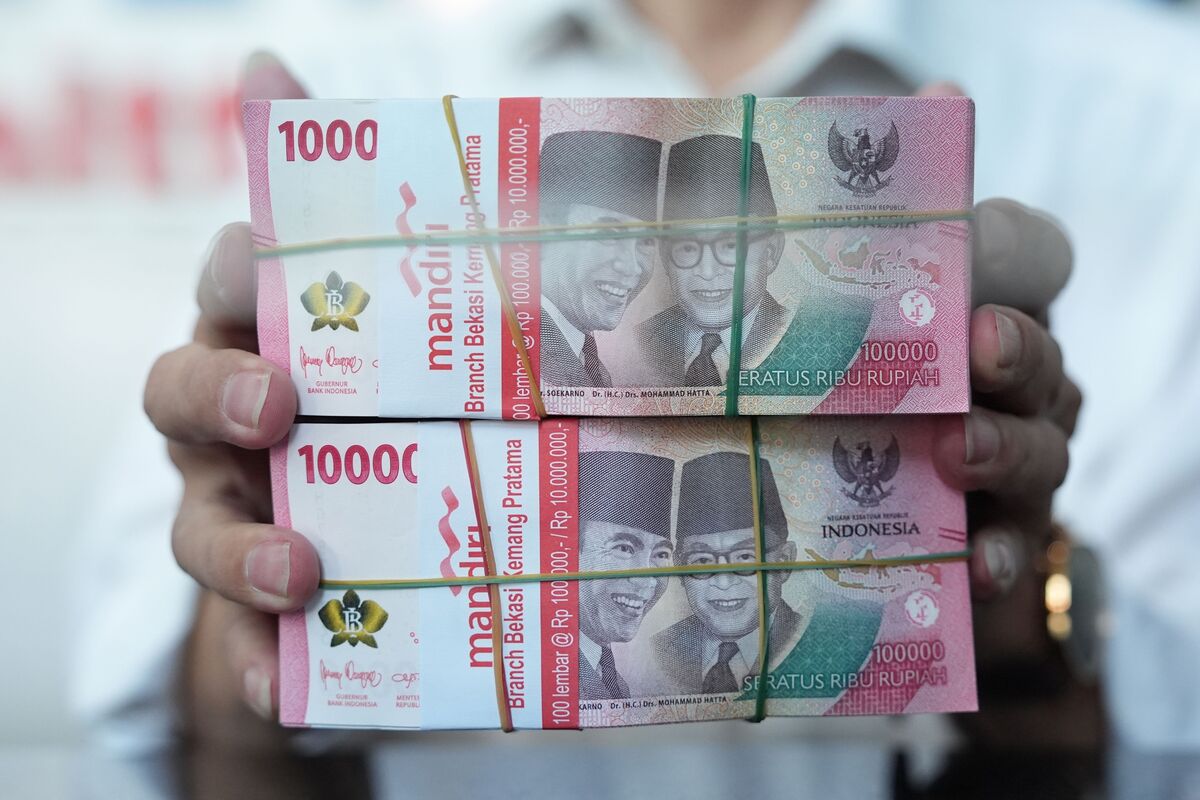
Over the past few months, Indonesia’s central bank, Bank Indonesia (BI), has shaken up the conventional playbook by aggressively lifting policy rates three times, totaling a hefty 100 basis points jump to 5.75%. It’s a clear sign that BI is laser-focused on keeping inflation in check and defending the rupiah against global volatility, especially given the ongoing shocks from the Middle East.
The journey began with an unexpected 50 basis points hike in May, followed by a rare off-cycle 25 basis points boost on June 9, and capped off with another 25 basis points rise mid-June. These moves are more than technical tweaks—they’re strategic pushes to shore up the rupiah, attract much-needed foreign capital, and safeguard financial stability amid shaky global tides.
Foreign Capital Floods In, Supporting Rupiah and Bond Yields
Between June and early July, Indonesia drew in about IDR 105 trillion (roughly $5.8 billion) of foreign investment into government bonds and Bank Indonesia’s rupiah securities. This influx helped arrest the rupiah’s slide and pushed up local bond yields—12-month rupiah securities now offer a competitive 6.45%, boosting Indonesia’s standing in the regional bond landscape.
Of course, higher policy rates mean borrowing costs for the government and corporates rise, potentially squeezing sectors that rely heavily on financing, such as property, automotive, and SMEs. The equity markets have been cautious lately, adopting a “wait-and-see” approach ahead of the July rate decision, wary that ongoing tightening might put a damper on cyclical stocks and household credit growth.
Walking the Tightrope: Growth Risks vs Currency Stability
Market consensus leans slightly towards another 25 basis points hike to 6.00% in July. Yet, many economists warn that continued rate hikes could slow consumption and investment, potentially hurting fragile sectors sensitive to interest rates. BI itself views the monetary tightening as consistent with economic stability but acknowledges the risks ahead.
Looking forward, some analysts believe BI might hold rates steady for the rest of 2026 if the rupiah stabilizes and inflation stays near the 2.5% ±1% target. On the flip side, if geopolitical tensions flare or global risk sentiment worsens, BI could resume a more aggressive stance.
Key Watchpoints for Markets and Investors
- The July Board of Governors meeting is crucial—not just for the rate hike verdict but also for BI’s forward guidance on further tightening, FX market interventions, and macroprudential policies.
- The rupiah’s fate remains tightly linked to global events: ongoing Middle East conflict, U.S. yield trajectories, and global risk appetite all play starring roles.
- Inflation data and economic growth indicators to be released shortly will heavily influence whether BI presses the brakes or keeps steady.
- Finally, whether the recent strong foreign inflows (IDR 105 trillion) are sustainable will determine if BI’s aggressive front-loaded tightening can stabilize financial markets without choking the economy.
Simply put, Indonesia is balancing on a knife-edge between external pressures and domestic growth challenges. Bank Indonesia’s strategy to combat inflation and defend the rupiah with higher rates is bold but fraught with trade-offs. Everyone from investors to policymakers needs to stay alert to unfolding data and decisions in the upcoming weeks, as these will shape Indonesia’s economic and financial trajectory for months to come.