







 |
| Gold V.1.3.1 signal Telegram Channel (English) |

Major Central Bank Meetings and Key US Data Set the Stage for a High-Stakes Market Week
2026-07-27 @ 13:02
All Eyes on Central Banks as Markets Brace for Impact
Get ready—this week is a real heavyweight bout for financial markets. The Federal Reserve (FOMC), Bank of England (BoE), and Bank of Japan (BoJ) all have rate decisions on deck, and they’re joined by a flurry of key economic data: US core PCE inflation, advance Q2 GDP, and Eurozone CPI and GDP figures. It’s a packed calendar that promises plenty of volatility and market-moving surprises.
Recent meetings from these central banks have mostly resulted in rate holds. But don’t be fooled—ongoing inflation stubbornness and geopolitical jitters keep tightening on the table. Market pricing currently discounts no immediate hikes from any of the three, but everyone’s on high alert for any hints in their guidance or economic readings.
Dollar Watch: Will Data Shake Things Up?
The Fed is widely expected to hold rates at 3.50%-3.75% for now, yet the U.S. core PCE inflation rate hit 3.4% year-over-year in May — well above the Fed’s 2% target. This leaves investors wondering if more rate hikes are back in the cards. Should upcoming inflation or GDP prints come in stronger than anticipated, the dollar is likely to gain steam against most low-yielding currencies. Conversely, any Fed signals pointing to rate cuts later this year could soften the greenback.
Pound and Yen: Stability and Subtle Shifts
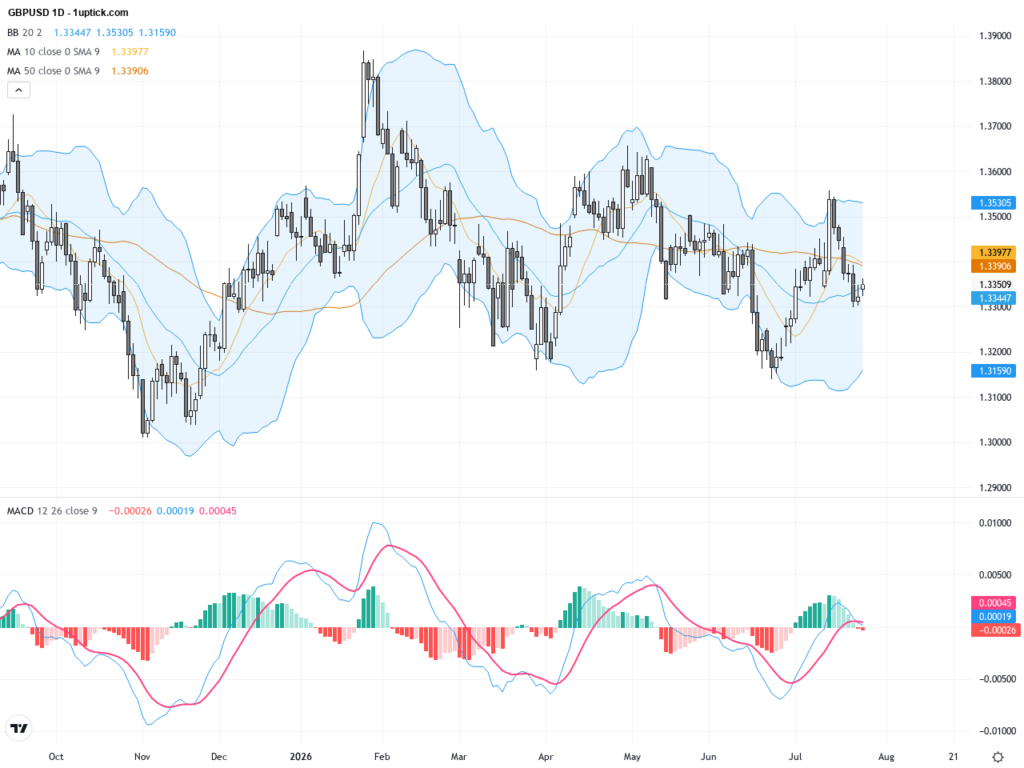
The Bank of England is also expected to keep rates steady at 3.75%. The last vote showed overwhelming support to maintain rates, reflecting persistent pressure from domestic inflation and tighter labor markets. So, sterling’s moves this week will largely hinge on economic data surprises rather than policy changes.
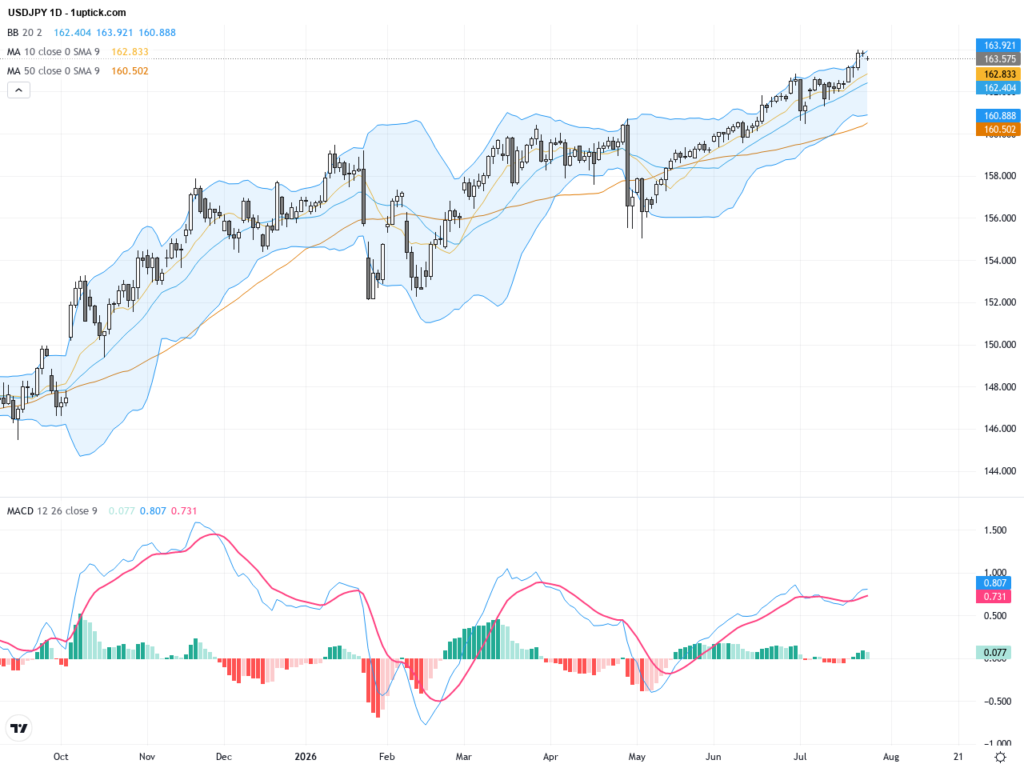
Meanwhile, the Bank of Japan surprised markets with an interest rate hike to 1.00% at its last meeting but is now poised to pause. Traders will be eyeing the updated Outlook Report for any hawkish revisions to GDP or inflation projections, which could give the yen a boost and put upward pressure on Japanese government bond yields, narrowing the rate gap with the US.
Bond Markets Face Crosswinds
U.S. Treasury yields face a tug-of-war. The Atlanta Fed’s GDPNow model estimates Q2 growth at about 1.7%, down from 2.1% in Q1, indicating the economy is still expanding, just at a slower clip. Persistent core inflation adds to the case for elevated short-term yields and a cautious Fed. Expect front-end yields to stay supported unless softer data or dovish Fed tones emerge, which could steepen the yield curve through rallies in short-term debt.
In the UK and Japan, gilt and JGB yields are more sensitive to policy commentary than outright rate moves. Should the BoE underline ongoing inflation forces or the BoJ flag upside risks to growth and prices, bond yields in both countries may rise, tightening spreads with U.S. Treasuries.
Equities and Commodities: Winners and Losers
Global equities face a classic macro scenario: steady U.S. growth plus above-target inflation usually favors value and cyclical sectors, like financials, which benefit from sustained higher rates and steeper curves. Meanwhile, rate-sensitive sectors such as real estate and long-duration technology stocks could feel the heat from hawkish surprises.
On the commodities front, stubborn core inflation and geopolitical tensions continue supporting energy prices, complicating central banks’ fight to tame inflation. Robust growth data could lift industrial metals and broad cyclicals. But if GDP disappoints or recession fears rise, investors might flock to defensive havens like gold.
What to Watch This Week
Wednesday’s FOMC statement and Chair Powell’s press conference are must-watch—any new signals linking sticky core inflation to a potential resumption of rate hikes will be market-moving. Thursday’s U.S. core PCE inflation and Q2 GDP releases will further clarify the path ahead.
On the UK front, BoE communications and labor market data could shift sterling and gilt yields if the MPC’s message changes. Japan’s rate decision and new Outlook Report later this week will provide critical insight into whether BoJ tightens further this year.
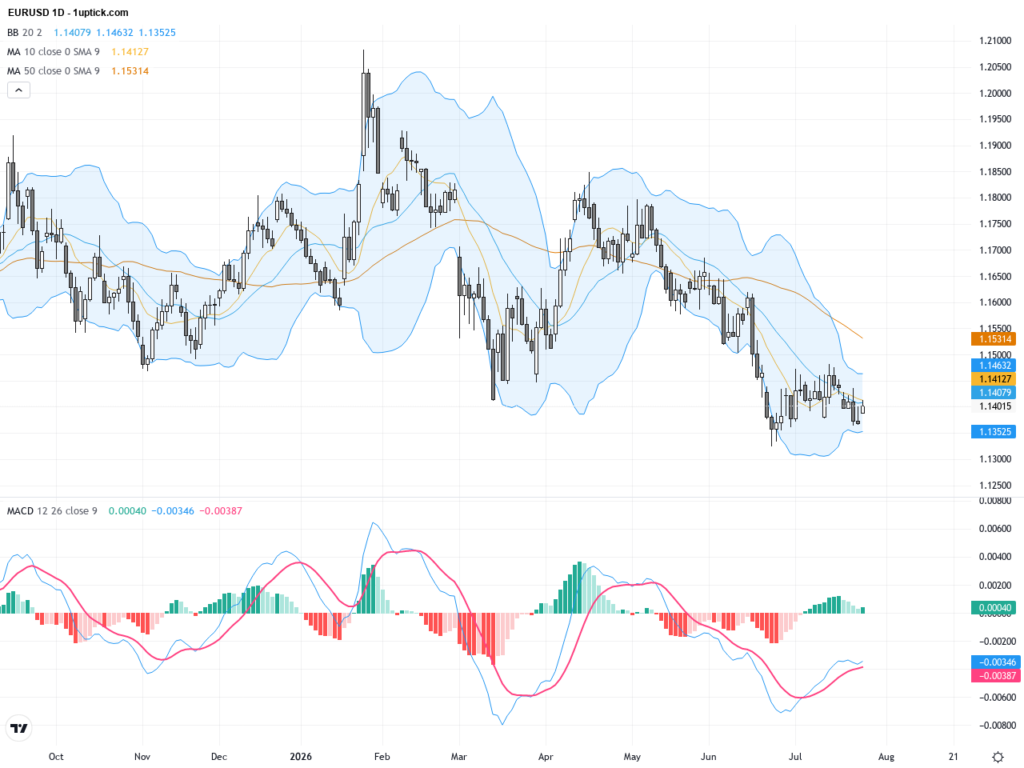
Don’t overlook Eurozone preliminary Q2 CPI and GDP reports—they’ll influence ECB policy expectations and risk premiums in peripheral bond markets.
All told, the coming days promise a rich macroeconomic storyline full of data and policy signals that investors will want to digest carefully. There’s potential for some surprises, so stay sharp and consider recalibrating your portfolio’s risk exposure accordingly.