






 |
| Gold V.1.3.1 signal Telegram Channel (English) |

US Imposes 50% Tariffs on $20B Canadian Exports, Sparking Retaliation Threats and Trade Tensions
2026-08-25 @ 13:03
US Hits Canadian Exports with Heavy 50% Tariffs; Trade Tensions Soar
On the early hours of August 22, the United States enacted a sweeping 50% tariff on approximately $20 billion worth of Canadian exports. The tariffs span over 500 product categories, hitting everything from electronics, industrial machinery, furniture, and dairy to more consumer-oriented goods like wine, clothing, cameras, and sporting equipment. This tariff covers about 5% of Canada’s total exports to the US and boldly overrides the preferential treatments under USMCA, shaking up what was once seen as a relatively stable trade arrangement.
The move followed the breakdown of last-minute negotiations between Washington and Ottawa. President Calvin Trump invoked Section 338 of the 1930 Tariff Act to justify this aggressive step, citing discriminatory treatment of US products by Canada. This marks a more confrontational approach under the Trump administration’s trade policies, raising concerns among businesses and policymakers on both sides.
Canada’s Retaliation Pledge: A Dollar-for-Dollar Response
Prime Minister Mark Carney responded firmly, promising retaliation tariffs set to kick in on September 8. These tariffs will target a range of US exports including steel, dairy, appliances, farm equipment, pulp and paper, and electronics. The goal is clear: deter US overreach and protect Canada’s sensitive sectors. Canadian business groups have voiced alarm, warning that thousands of exporters, especially small and medium enterprises, could face crippling margin squeezes or even get pushed out of the US market entirely.
Deeper Economic and Market Impacts Are Far-Reaching
Although the tariffs technically affect only about 5% of exports, the impact is intensely felt within specific industries and supply chains. Exporters face sharply increased costs that could erode market share, while contract renegotiations and investment recalibrations add to uncertainty. The manufacturing hubs in Ontario and Quebec plus agricultural regions producing dairy and speciality crops will likely bear the brunt.
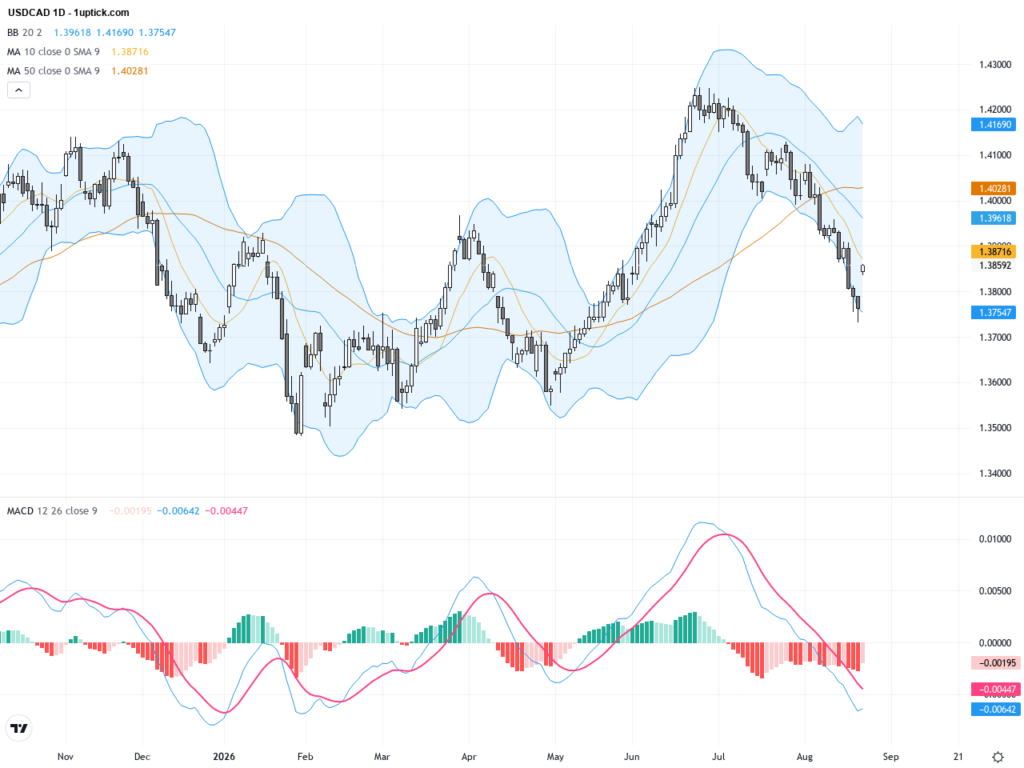
The Canadian dollar has taken a hit, pressured by the prospect of slower export growth given the US is Canada’s largest trading partner, absorbing approximately 72% of Canadian goods exports. The carve-outs for energy, potash, minerals, and fish products soften but do not eliminate the currency pressure. US buyers reliant on Canadian inputs—particularly niche industrial parts, specialized food items, and alcohol—may face higher prices and supply headaches, potentially passing these costs to consumers.
Market Risks Extend to Credit and Bond Yields
While sovereign bond markets are only mildly affected in the near term, the increase in global trade policy uncertainty has traditionally bolstered demand for US Treasuries as safe havens. On the corporate side, Canadian SMEs and exporters heavily exposed to US markets face elevated credit risk, with some possibly needing restructuring or government support if tariffs persist.
Key Watchpoints Moving Forward
Both governments have not ruled out resuming talks, and investors will keenly watch for any signs of negotiation breakthroughs or sector exemptions that may roll back the tariffs. The effectiveness and scope of Canada’s retaliatory tariffs from September 8 onward will dictate whether this escalates into a full-blown trade war or remains a contained dispute.
Upcoming Canadian earnings reports from affected exporters will shed light on volume declines, margin pressures, and potential job losses. Legal challenges invoking USMCA dispute mechanisms and WTO channels are anticipated, setting precedents that may influence future US trade actions against free trade partners.
In essence, this tariff showdown underscores a heightened North American trade policy risk premium, unavoidably injecting volatility into supply chains, corporate investments, and risk assets tied to open trade. Investors should stay cautiously alert to further developments as this unfolds.