

 |
| Gold V.1.3.1 signal Telegram Channel (English) |
How to Analyze Forex Market Trends Using Technical and Fundamental Analysis
2026-09-13 @ 00:03
How to Analyze Forex Market Trends Using Technical and Fundamental Analysis
Understanding forex market trends is crucial for investors seeking consistent returns in the currency markets. This comprehensive guide combines proven technical analysis methods with fundamental economic insights to help you develop a robust analytical framework. Whether you’re trading major pairs like EUR/USD or exploring emerging market currencies, these methodologies will enhance your market intelligence capabilities.
step_num: 1, heading: Establish Your Market Analysis Framework, content: Begin by setting up a structured approach to market analysis. Create a daily routine that includes reviewing economic calendars, monitoring central bank announcements, and tracking geopolitical developments. Utilize platforms that aggregate real-time data feeds from multiple sources including Reuters, Bloomberg, and official government statistics. Document your observations in a trading journal to identify patterns in your analysis accuracy over time.
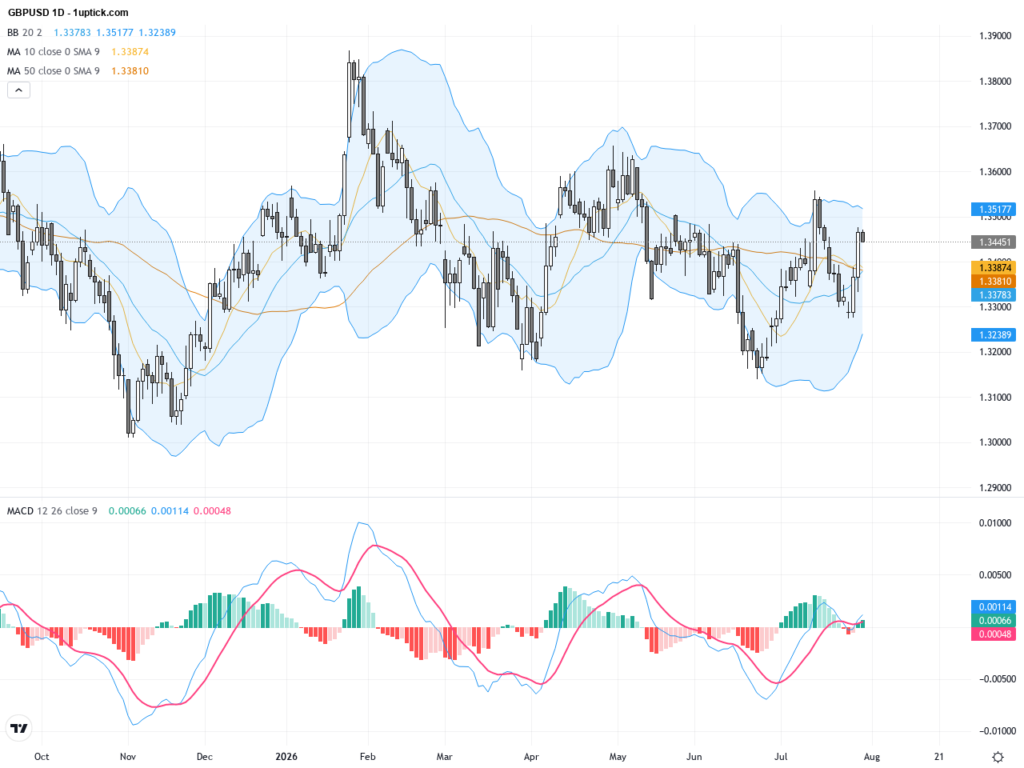
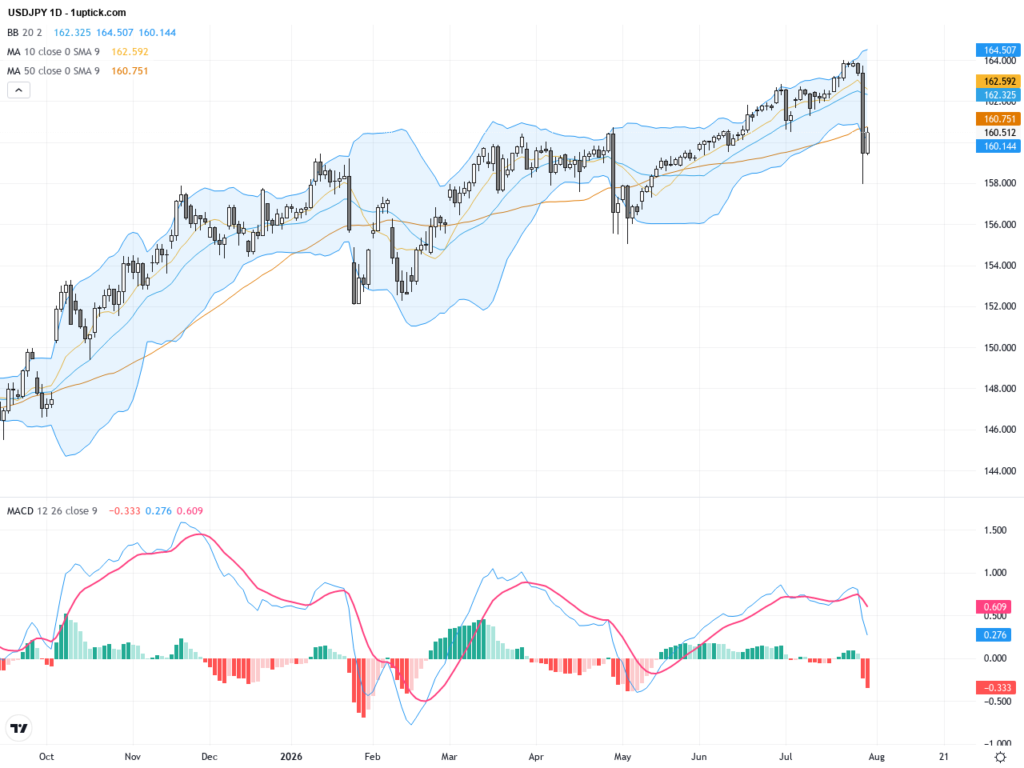
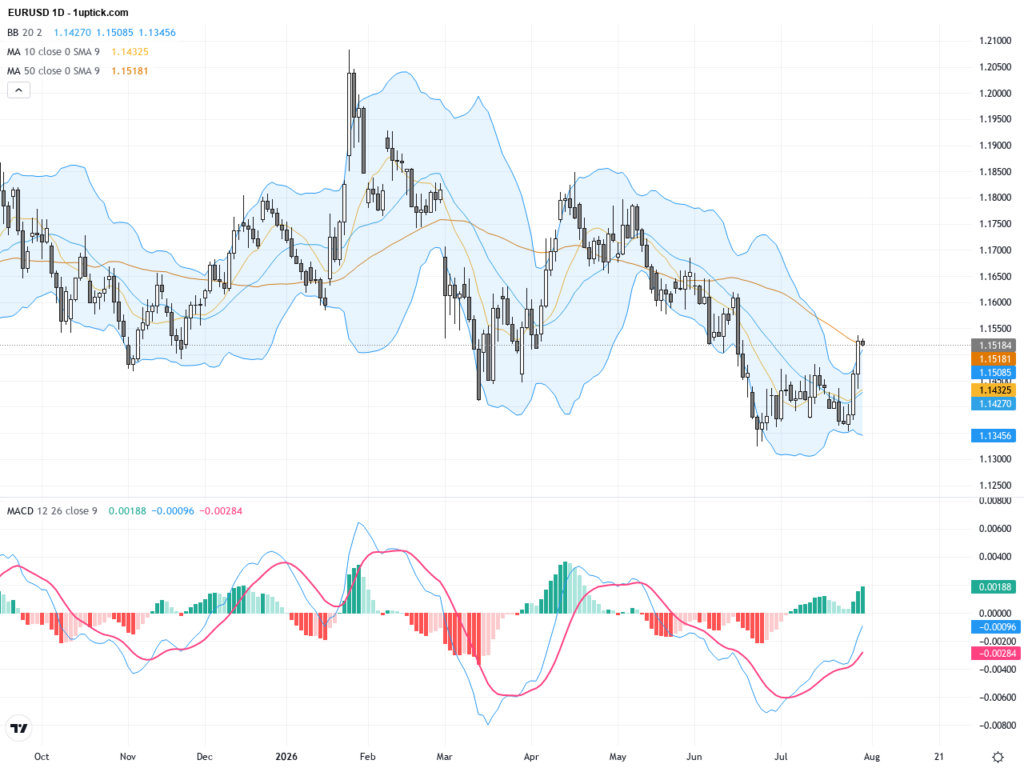
step_num: 2, heading: Master Key Technical Indicators, content: Focus on understanding and applying essential technical indicators. Start with trend-following indicators such as Moving Averages (20, 50, and 200-period), MACD (Moving Average Convergence Divergence), and ADX (Average Directional Index). Complement these with momentum oscillators including RSI (Relative Strength Index) and Stochastic indicators. Learn to identify support and resistance levels, Fibonacci retracements, and chart patterns like head and shoulders, double tops, and triangles. Practice on historical data before applying to live markets.
step_num: 3, heading: Integrate Fundamental Analysis, content: Develop proficiency in fundamental analysis by tracking key economic indicators. Monitor GDP growth rates, inflation data (CPI and PPI), employment figures (NFP, unemployment rates), interest rate decisions, and trade balance reports. Understand how central bank policies from the Federal Reserve, ECB, BOJ, and BOE impact currency valuations. Create a correlation matrix linking economic releases to historical currency movements to quantify the typical market impact of each data point.
step_num: 4, heading: Conduct Multi-Timeframe Analysis, content: Implement a top-down analytical approach across multiple timeframes. Begin with weekly charts to identify the primary trend direction, then move to daily charts for intermediate trend confirmation, and finally use 4-hour or 1-hour charts for precise entry and exit timing. Ensure alignment across timeframes before executing trades. This methodology reduces false signals and improves trade probability by confirming trends across different time horizons.
step_num: 5, heading: Monitor Market Sentiment and Positioning, content: Incorporate sentiment analysis into your framework. Review the Commitment of Traders (COT) report weekly to understand institutional positioning. Track retail sentiment indicators from major brokers to identify potential contrarian opportunities. Monitor the VIX index and currency volatility indices to gauge market risk appetite. Analyze options market data including put/call ratios and implied volatility surfaces for additional insight into market expectations.
step_num: 6, heading: Develop Risk Management Protocols, content: Establish strict risk management rules before entering any position. Calculate position sizes using the 1-2% rule, never risking more than this percentage of your trading capital on a single trade. Set stop-loss orders based on technical levels rather than arbitrary pip amounts. Determine risk-reward ratios with a minimum target of 1:2. Implement maximum daily and weekly drawdown limits to protect capital during adverse market conditions.
Insider Insight: Professional forex analysts at institutional trading desks typically combine quantitative models with discretionary analysis. They pay particular attention to order flow data and liquidity conditions, especially during major economic releases. The most successful analysts maintain detailed records of their predictions versus actual outcomes, continuously refining their models based on empirical evidence. Remember that correlation between technical setups and fundamental catalysts often produces the highest-probability trading opportunities. Additionally, always consider the current market regime—trending or ranging—as this significantly impacts which analytical tools will be most effective.