



 |
| Gold V.1.3.1 signal Telegram Channel (English) |
G20 Asheville Talks Spotlight Global Interest Rates Amid Persistently High Local Borrowing Costs
2026-09-02 @ 13:03
G20 Asheville Summit: The Pulse of Global Interest Rates
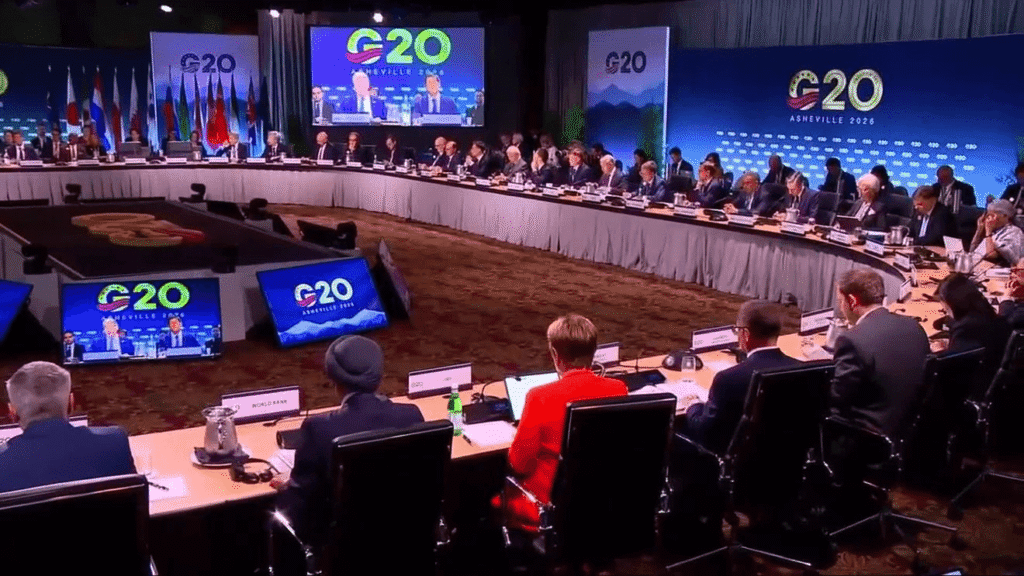
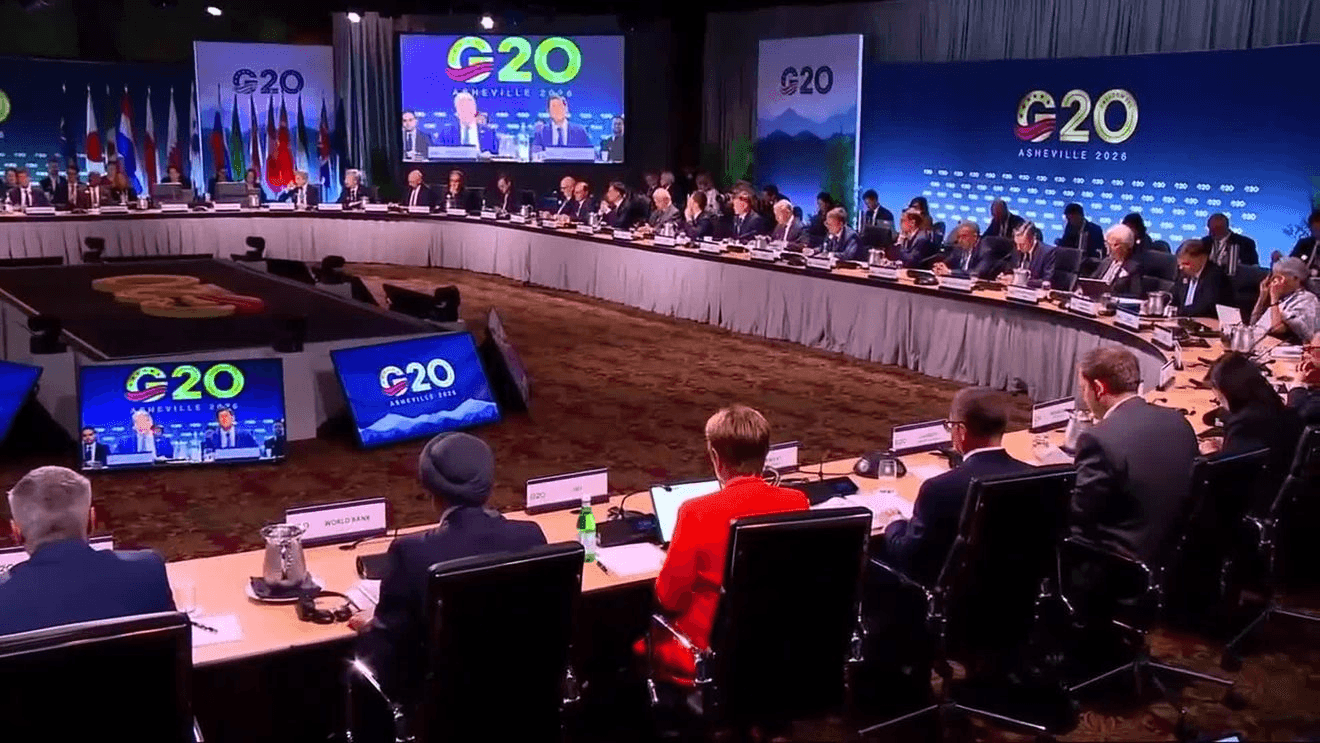
In late August and early September, finance ministers and central bank governors from the G20 convened in Asheville, North Carolina, to shape the global fiscal agenda for 2026. The high-stakes talks zeroed in on inflation control, correcting fiscal imbalances, and tackling “non-market” trade distortions—a topic stirring some political tension. But beyond the headlines, these global discussions ripple down and impact everyday borrowing costs.
The post-summit statement reaffirmed a collective wariness on inflation and fiscal deficits. Translation? Major central banks are unlikely to slash policy rates anytime soon. This steady hawkishness keeps government bond yields elevated, which in turn sustains high borrowing costs on mortgages, auto loans, and credit cards. Local financial advisors in cities like Asheville note that households are still feeling the pinch, with mortgage rates stubbornly high and no swift relief on the horizon.
Yen and FX Markets: Watching Japan’s Next Move
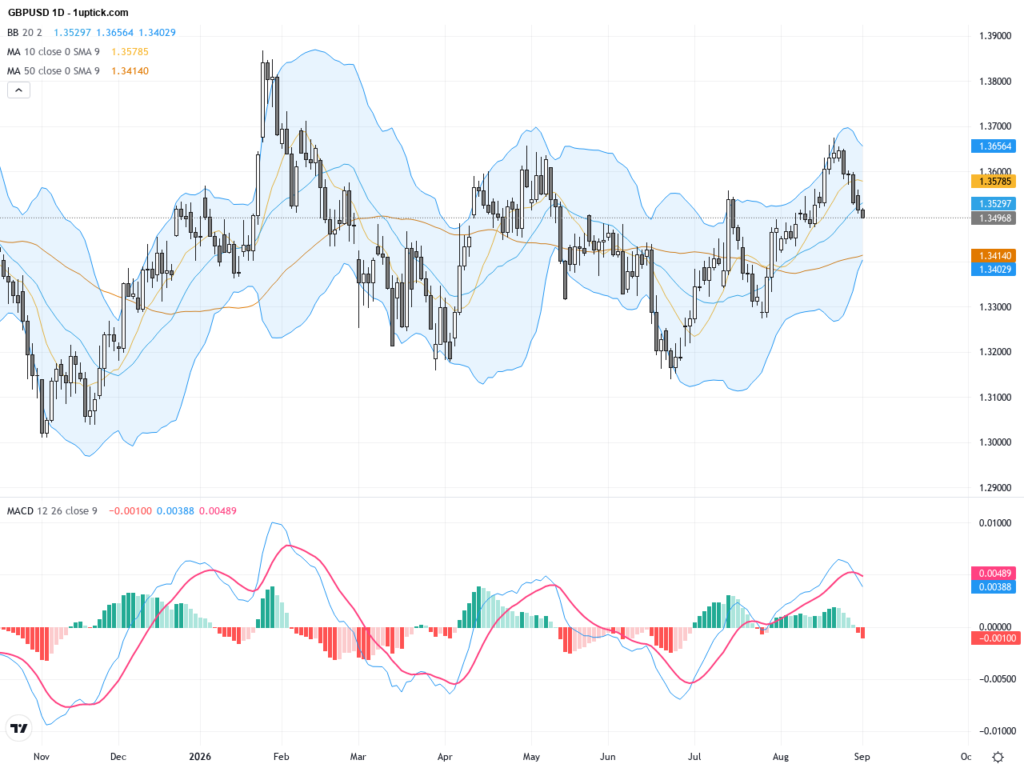
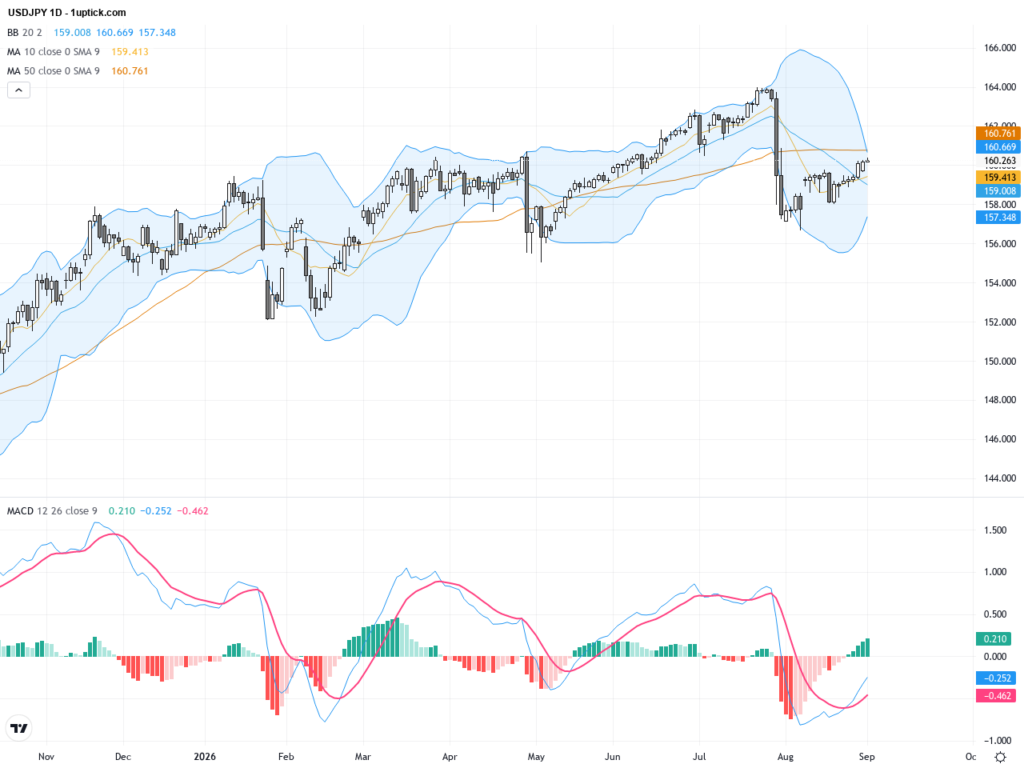
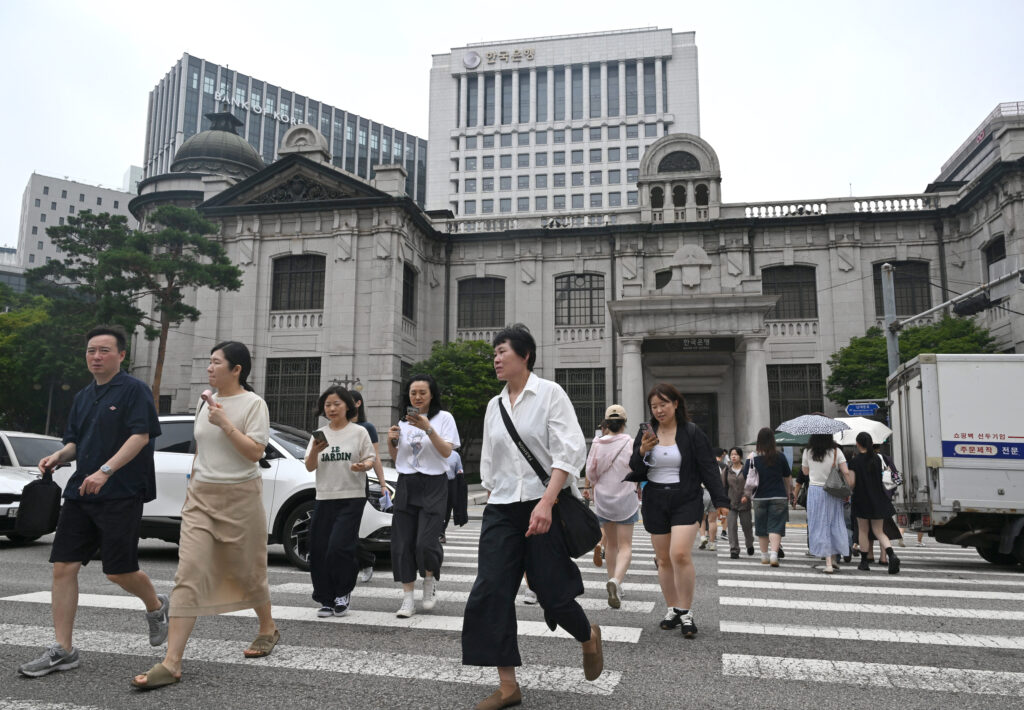
The US-led G20 bloc also pressed Japan to maintain “sound” monetary policy, urging the Bank of Japan (BOJ) to avoid erratic yen volatility. Markets are pricing in at least one BOJ rate hike soon, aiming to narrow the huge interest rate gap with the US. This expectation has already influenced USD/JPY currency moves and could trigger shifts in global funding costs and carry trade strategies, especially in emerging market FX.
Meanwhile, G20’s spotlight on export-dependent growth models and “non-market” distortions highlights the ongoing friction with China—the lone holdout among G20 members on these reforms. This policy divide clouds future trade and capital flow prospects, feeding volatility in currencies linked to significant trade surpluses.
Investment Landscape: Growth With Caution
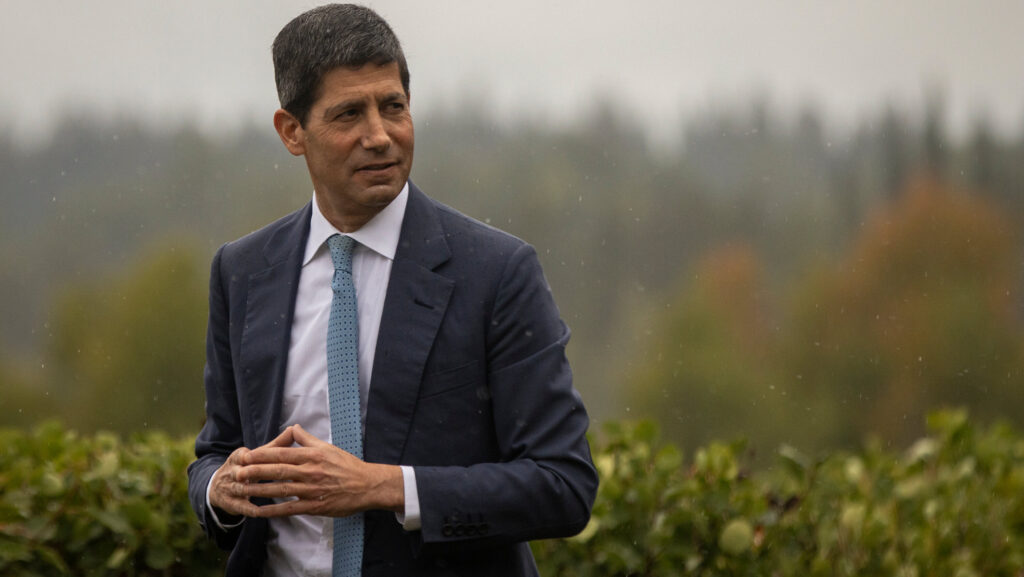
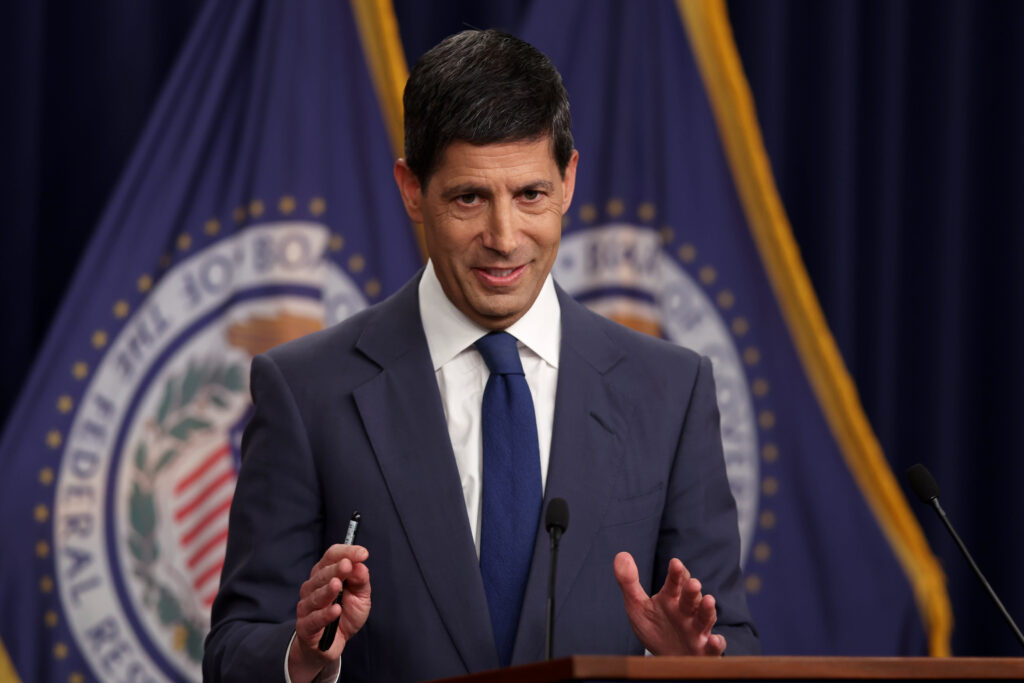
Federal Reserve Chair Kevin Warsh framed the global outlook as a transition from a prolonged “secular stagnation” era to one of “secular growth.” That’s good news for cyclical sectors and investment-led industries. Yet, persistent inflation, fiscal pressures, and geopolitical uncertainties temper this optimism, underpinning higher equity risk premiums—especially hitting real estate and smaller domestic financial stocks sensitive to interest rates.
Commodities and Inflation: An Ongoing Tug of War
While commodities weren’t front and center at Asheville, the G20’s acute attentiveness to inflation and supply-side distortions signals continued market focus on energy and food prices—critical drivers of headline inflation. This dynamic often delays or moderates rate-cut cycles, which in turn affect commodity demand and storage economics.
What to Watch Next: Key Market Drivers Into 2026
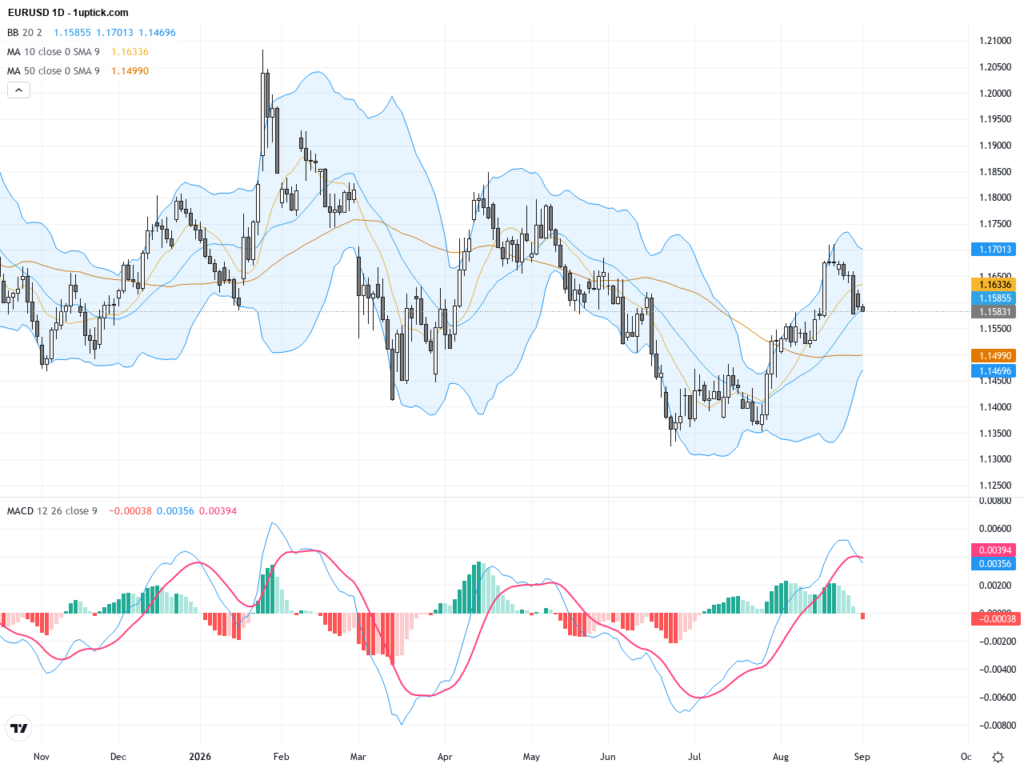
- The pace and size of global rate cuts by the Fed, ECB, and BOJ will be closely monitored, with special attention to whether this translates into sustained declines in mortgage and consumer borrowing costs.
- Japan’s monetary policy moves will remain a critical barometer for yen volatility, global funding costs, and the health of carry trades.
- US-China clashes over “non-market” trade impediments present a wildcard, with potential ripple effects on supply chains, inflation trends, and interest rate trajectories.
- Ultimately, for communities like Asheville, translating these global policy signals into local lending rates and consumer credit conditions will be the key metric determining household financial relief or strain later in 2026.
In sum, the Asheville G20 meeting sends a clear message: inflation and fiscal risks persist, keeping rates high and borrowing costly. That reality weighs heavily on consumer wallets and investment strategies alike. Watching how these global currents influence local lending and economic conditions will be essential to reading the broader financial landscape—and anyone with a mortgage or loan should keep a close eye on these developments throughout the year.