Americans Tap Savings and Debt Amid Widespread Financial Distress
Nearly all Americans are cutting back on spending—even on essentials—signaling widespread financial strain as households dip into savings and rack up debt.

Nearly all Americans are cutting back on spending—even on essentials—signaling widespread financial strain as households dip into savings and rack up debt.

Richmond Fed President Tom Barkin says recent job data shows only modest gains in employment amid a continuing low-hiring environment, signaling caution among businesses navigating economic uncertainties.
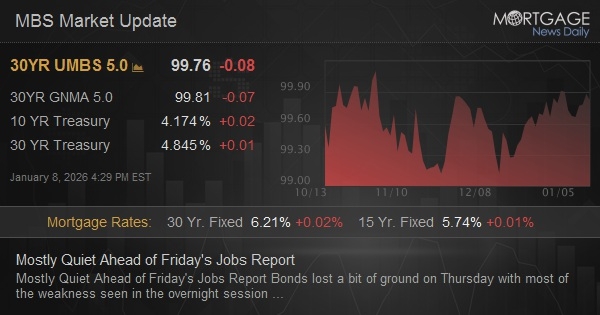
Ahead of Friday’s much-anticipated jobs report, bond markets have been modestly shaky but largely subdued. Recent economic data shows mixed signals, leaving investors cautious as they await concrete clues on employment growth and unemployment rates that could set the tone for market direction.
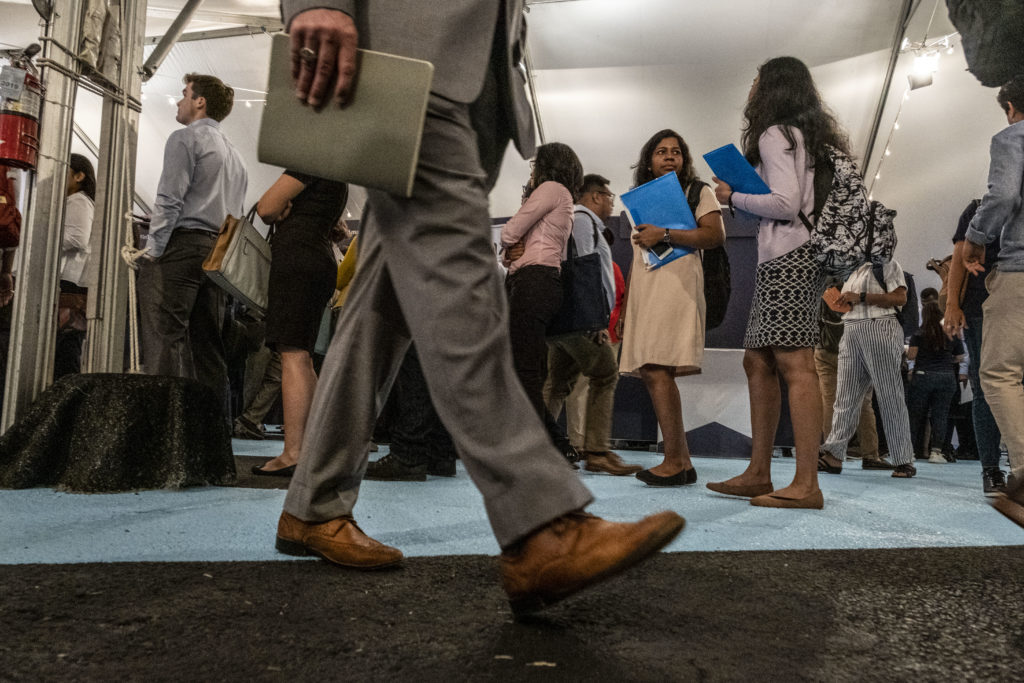
Northern Virginia saw a drop of 8,200 jobs in 2025 as federal workforce reductions ripple through the region, pushing non-farm employment down by 0.5%. This highlights the local economic impact of federal downsizing.

As 2026 unfolds, shifts in tariff policies, manufacturing rebounds, and a sizzling housing market raise important questions for your finances. Plus, how Argentine political newcomer Javier Milei’s bold reforms might be signaling fresh opportunities in emerging markets. Let’s dive into the trends set to shape your financial decisions this year.
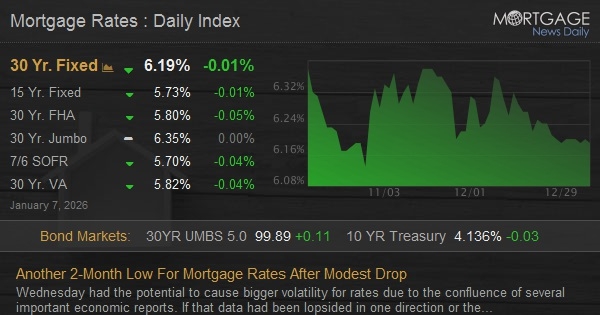
Mortgage rates for 30-year fixed loans have modestly dropped, returning to their lowest levels in two months as markets await Friday’s crucial jobs report.

After years battling hyperinflation and food shortages, Venezuela was showing faint signs of economic recovery — until President Trump’s sanctions campaign slammed the brakes on progress.

After a year marked by war, mass mobilization, and missile attacks, Israel’s economy stands as a surprising beacon of strength and innovation. What lessons does it offer compared to vast, oil-rich nations with peaceful borders?

Donald Trump asserts that recent tariff policies have not only bolstered America’s economic and national security but are expected to generate over $600 billion in revenue, despite media skepticism, boosting the U.S.’s global standing.

Did Trump’s promises of a manufacturing comeback and cheaper prices really pan out? Catherine Rampell breaks down the latest data to reveal the truth behind MAGA’s economic claims.

Moody’s senior economist Mark Zandi forecasts sustained economic growth in 2026 but warns of weaker job creation, rising unemployment, and persistent inflation that could pressure key market sectors.

Minnesota’s manufacturing sector shrank notably in 2025 as rising tariffs hit smaller companies hardest, pushing manufacturing managers’ confidence lower and creating an uncertain outlook for recovery.
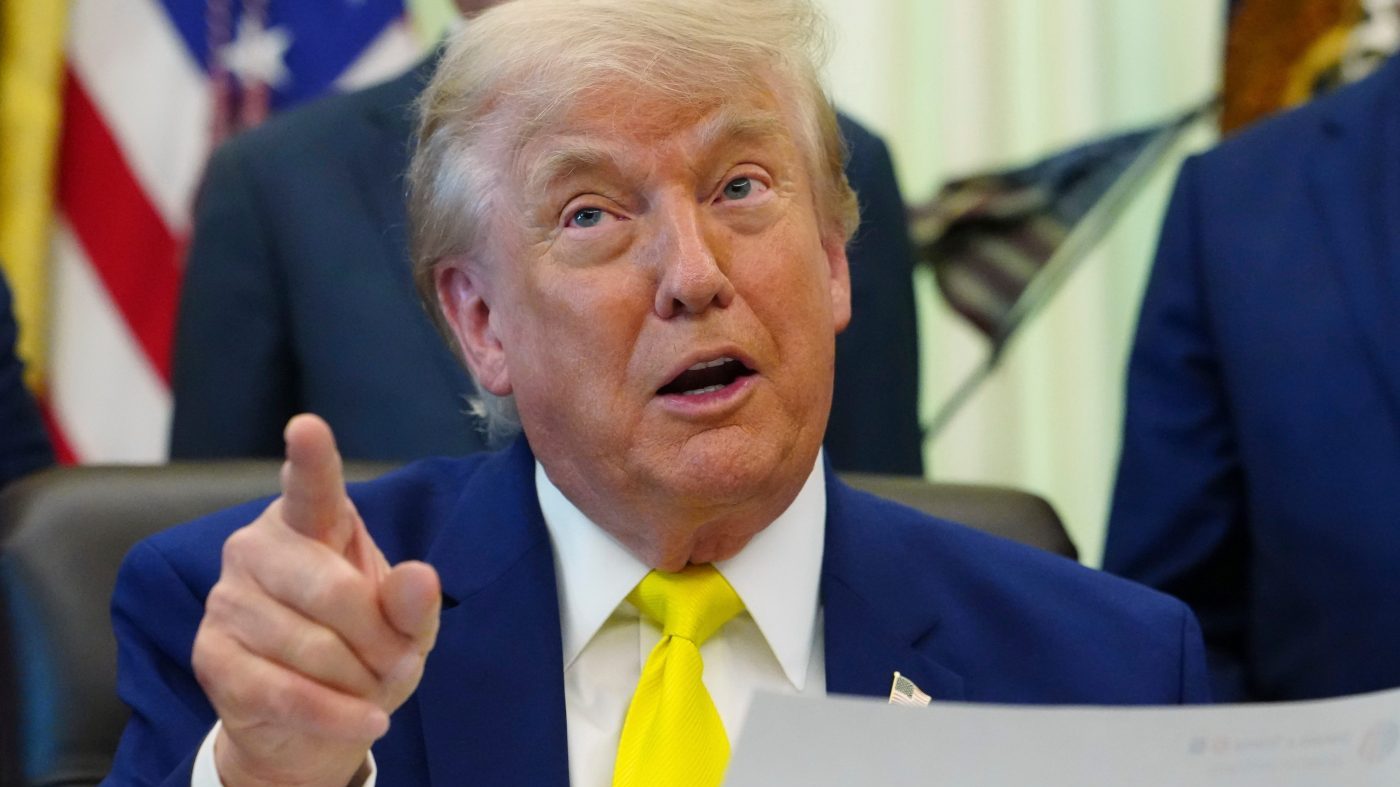
May’s US nonfarm payrolls rose by 172,000 with unemployment steady at 4.3%, signaling a still-resilient labor market. This robust job growth is pushing markets to reconsider the likelihood of near-term Fed rate cuts, boosting the dollar and Treasury yields. Here’s a deep dive into what these numbers mean for the economy and markets ahead.

McKinsey’s Greater China leaders Joe Ngai and Nick Leung emphasize that despite recent economic headwinds and geopolitical risks, China remains unmatched as a manufacturing powerhouse, innovation hub, and massive consumer market. Success now depends on adapting strategies toward advanced manufacturing, green tech, and local consumption while navigating tighter regulation.

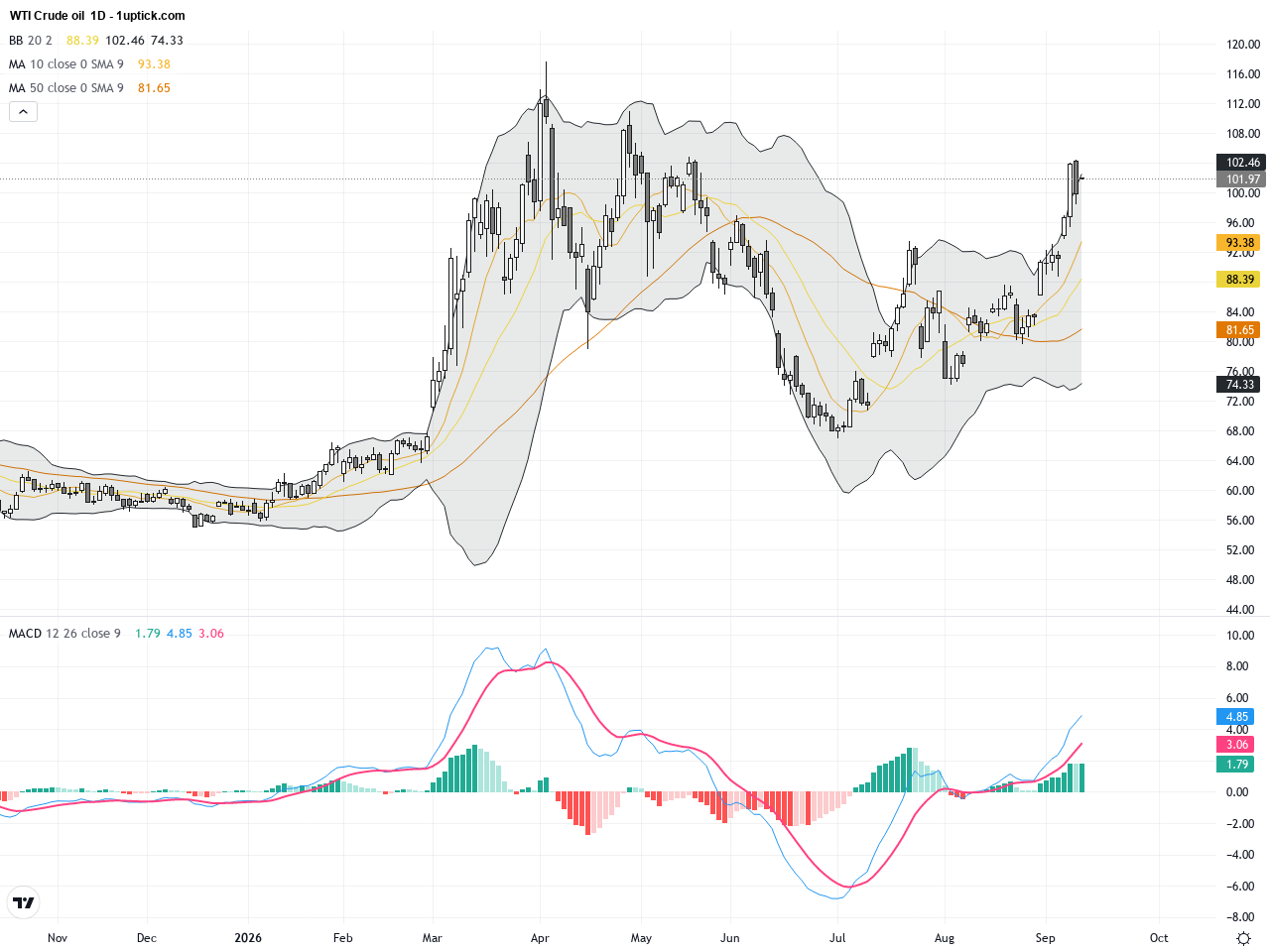
U.S. 30-year fixed mortgage rates have nudged above 6.5%, fueled by rising oil prices and geopolitical risks that keep inflation fears alive. The Fed’s rate path looks uncertain, and the housing market is feeling the heat. What does this mean for buyers and investors?
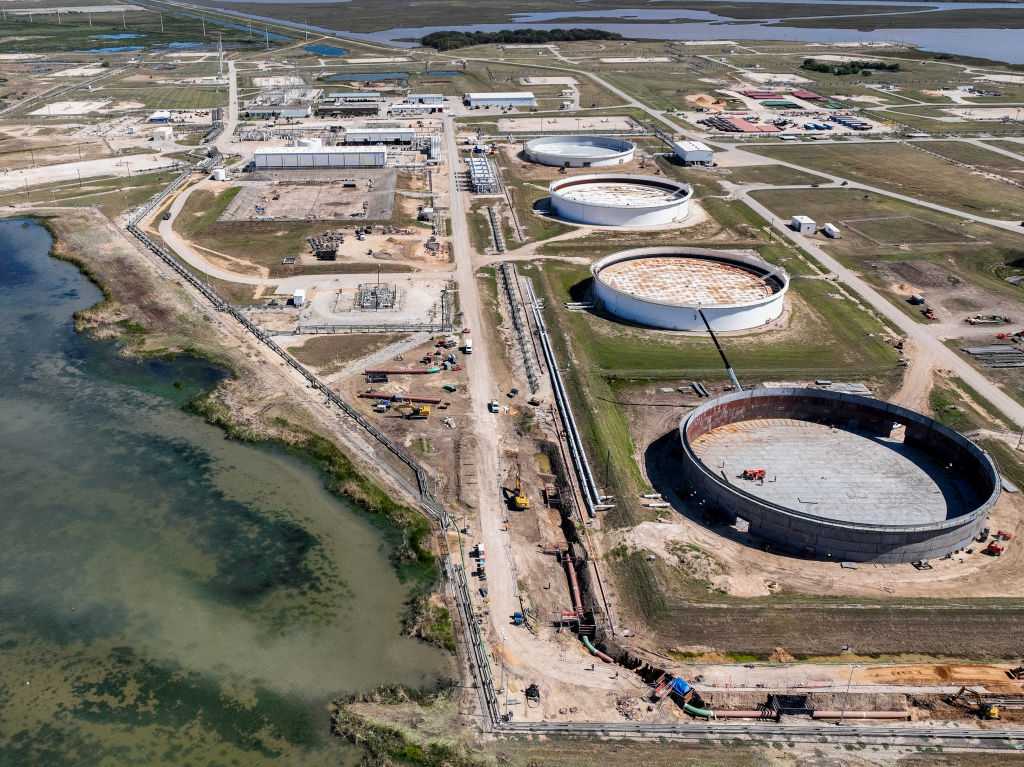
The U.S. Strategic Petroleum Reserve has dropped sharply to about 365 million barrels—its lowest level in roughly 40 years. This shrinking emergency stockpile reduces America’s buffer against sudden oil shocks, potentially fueling more volatile oil prices and impacting sectors from energy to consumer spending over the months ahead.

Under Trump’s ongoing presidency, the US bond market is flashing warning signs about inflation and fiscal deficits. Long-term Treasury yields have been rising amid persistent uncertainty over Fed policy shifts and fiscal plans related to tax cuts and tariffs. This post unpacks how these shifts impact bonds, stocks, the dollar, and commodities while highlighting key data and policy developments to watch.

South Korea’s booming semiconductor and AI-driven exports are set to lift 2026 exports by 30%, reinforcing a stronger Korean won and prolonged hawkish policy, but risks from sector concentration and geopolitics remain.

 |
| Gold V.1.3.1 signal Telegram Channel (English) |