Insightz

Insightz
Top Market Movers Today: Government Shutdown Impact, $40B M&A Deal, Rare Earths Surge, Alphabet’s Verily Shift & Taylor Swift Album Release

Top Market Movers Today: Government Shutdown Impact, $40B M&A Deal, Rare Earths Surge, Alphabet’s Verily Shift & Taylor Swift Album Release

Top Market Movers Today: How the Government Shutdown, Major M&A, Rare Earths Rally, Alphabet’s Verily Shift, and Taylor Swift’s Album Release Are Shaping Global Markets

Markets are responding to a cascade of major events today, from a U.S. government shutdown and a $40 billion merger and acquisition deal to a surge in rare earth minerals, strategic changes at Alphabet’s Verily, and the release of a new Taylor Swift album—each influencing different corners of the global economy and investment landscape.

**Government Shutdown Takes Center Stage**
The U.S. government has officially shut down following a stalemate in Congress over funding, raising concerns about short-term economic disruption. However, stocks have so far remained resilient, with major indices actually rising on the first day of the shutdown. Investors appear to be taking the event in stride, reflecting a broader sentiment that such political standoffs tend to have minimal long-term market impact. Still, experts warn that prolonged uncertainty could increase volatility and temporarily disrupt government services affecting small businesses and infrastructure projects.

**$40 Billion M&A Deal Energizes Corporate Activity**
In a move reshaping the corporate landscape, a blockbuster $40 billion merger and acquisition deal has been announced, sending ripples across industries and driving renewed interest in dealmaking. This transaction underscores the ongoing appetite for large-scale consolidation as companies seek to bolster their market positions and unlock new growth opportunities in a competitive environment.

**Rare Earth Metals Rally on Supply Concerns**
Rare earth minerals, critical for technology and renewable energy sectors, are surging as geopolitical tensions and supply chain disruptions fuel investor demand. The rally highlights the strategic importance of these materials and the broader scramble among nations and corporations to secure long-term access.

**Alphabet’s Verily Announces Strategic Pivot**
Alphabet’s life sciences unit, Verily, is making headlines with a significant strategic shift expected to reposition the company within the evolving healthcare and technology space. The move signals Alphabet’s continued commitment to innovation and adaptation in high-growth sectors.

**Taylor Swift Album Release Moves Markets in Unexpected Ways**
The much-anticipated release of Taylor Swift’s new album is not just a cultural event—it’s also moving markets. Streaming platforms, retailers, and even hospitality sectors are seeing a surge in activity, demonstrating the influence of major entertainment releases on consumer behavior and related industries.

**Stay Informed on the Latest Market Trends**
For investors, businesses, and analysts, today’s events underscore the interconnectedness of politics, technology, commodities, and entertainment in driving market dynamics. Keeping a close watch on these developments is essential for navigating an increasingly complex and fast-moving global economy.

US Labor Market Weakens Amid Government Shutdown and Rising Job Losses

US Labor Market Weakens Amid Government Shutdown and Rising Job Losses

The U.S. labor market showed signs of weakening in October 2023 amid challenges such as a government shutdown and rising job losses. Nonfarm payroll employment increased by only 150,000, well below expectations and marking the slowest monthly gain since mid-2023. The unemployment rate held steady near 3.9%, but the total number of unemployed persons rose, alongside a decline in self-employment figures. Job losses were particularly pronounced in manufacturing due to strike activity, while modest gains occurred in education, health services, government, and construction sectors. Additionally, labor force participation remained relatively flat, and more workers reported lost income or increased job search activity. These trends indicate a cooling labor market, with possible impacts on economic growth and wage pressures as various sectors adjust to ongoing uncertainties.

“US Dollar Volatility: How Political Uncertainty and Economic Data Surprises Are Impacting the Global Currency”

“US Dollar Volatility: How Political Uncertainty and Economic Data Surprises Are Impacting the Global Currency”

**US Dollar Volatility: Navigating Political Uncertainty and Economic Shifts**

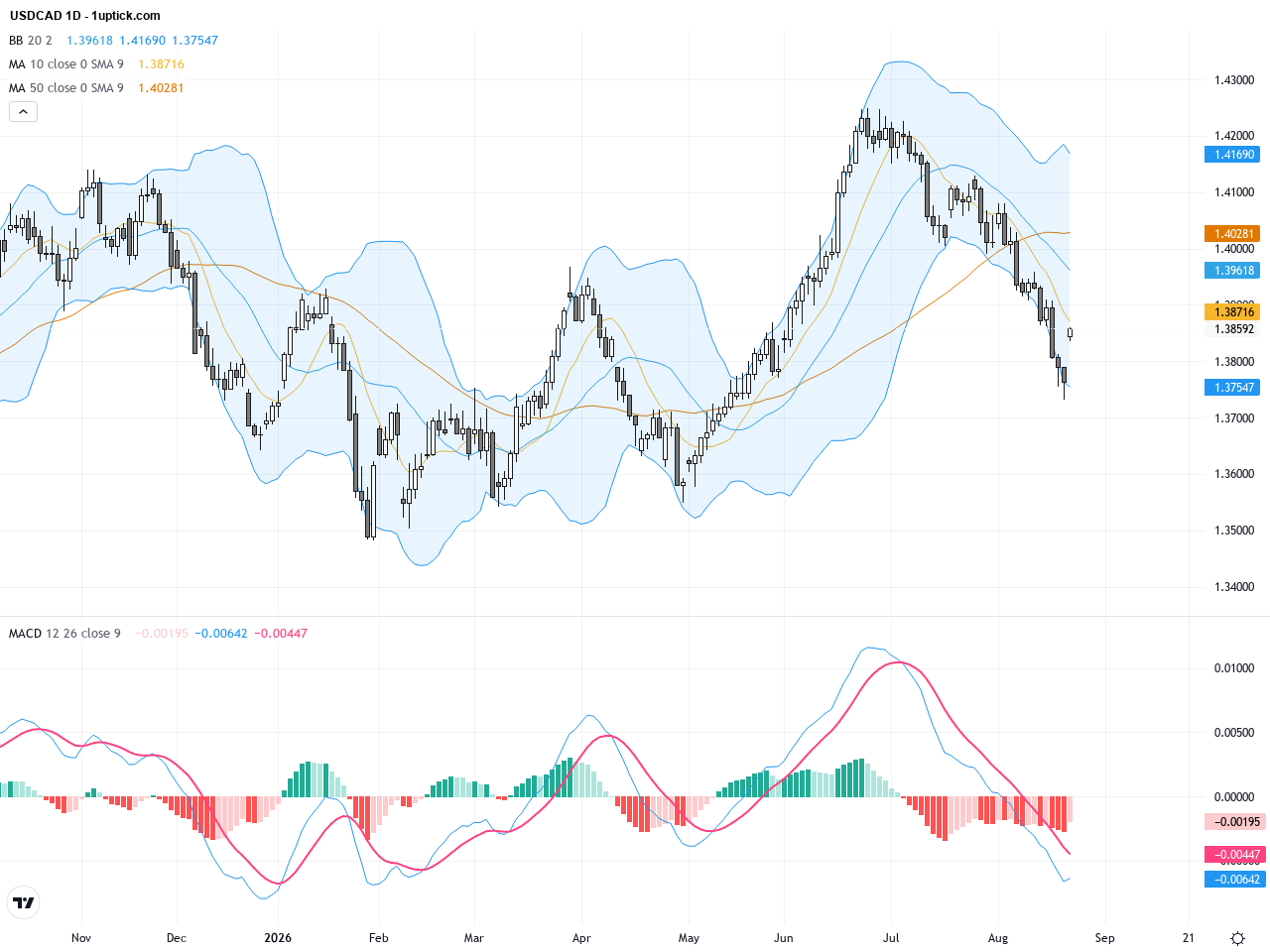
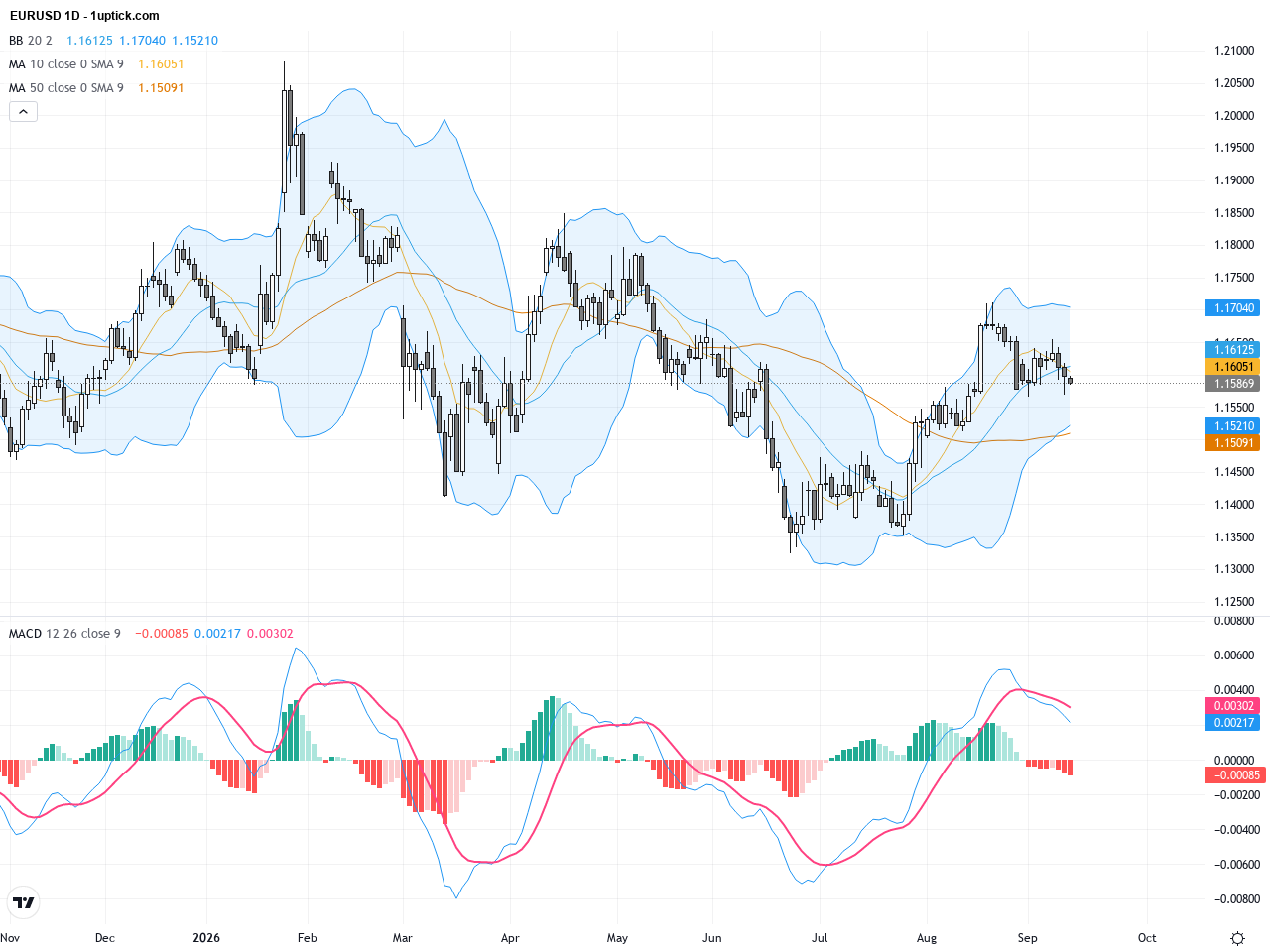
The US dollar has been experiencing significant volatility in recent times, influenced by political uncertainty and unexpected economic data. The dollar, traditionally seen as a safe-haven currency, has witnessed unprecedented behavior, particularly following major policy announcements. Tariffs and fiscal policies have played a crucial role in shaping the dollar’s trajectory, with investors increasingly questioning the stability of US financial assets.

The first half of 2025 saw a substantial decline in the dollar’s value, marking the largest drop in over 50 years. This downturn is attributed to various factors, including heightened tariff threats, growing fiscal deficits, and shifts in global economic dynamics. As the dollar weakens, it poses both challenges and opportunities for investors and businesses alike.

For investors, maintaining a diversified portfolio is crucial during these times. The depreciation of the dollar can make US assets less appealing to foreign investors, but it also presents opportunities for domestic exporters. Additionally, the rise in import prices could exacerbate inflationary pressures.

Understanding the complex interplay between political and economic factors is essential for navigating the current landscape of US dollar volatility. As the global economy continues to evolve, stakeholders must remain vigilant about potential future fluctuations in the currency market.

How U.S. Government Shutdowns Impact Markets and What Investors Need to Know

How U.S. Government Shutdowns Impact Markets and What Investors Need to Know

**How U.S. Government Shutdowns Impact Markets: A Comprehensive Guide**

U.S. government shutdowns have significant implications for markets and investors. These events occur when Congress fails to pass necessary spending bills, leading to a halt in non-essential government services. Hundreds of thousands of federal workers are furloughed, and many government services, including national parks and nutrition assistance programs, are impacted. However, essential services like national security, emergency medical care, and law enforcement continue.

From an economic perspective, government shutdowns can dampen economic output, reduce consumer spending, and delay federal compensation. The effects on GDP are often temporary, with most lost output recovered once the government reopens. However, long-term consequences can affect small and mid-sized businesses and weaken the broader economy. Investors should be aware of these dynamics to make informed decisions during such periods. Shutting down the government can lead to inefficiencies, wasting taxpayer dollars and delaying new initiatives, which can have lasting impacts on the nation’s contracting partners and businesses.

To navigate these challenges, understanding the immediate and long-term implications of government shutdowns is crucial for both investors and policymakers.

**Keyword phrases for optimization:** U.S. government shutdowns, market impacts, investor insights, economic effects, government funding lapses.

**Meta description:** Discover how U.S. government shutdowns affect markets and what investors should know. Learn about the economic and service impacts to make informed decisions.

**Header tags:**
– **Impact on Services**: Government shutdowns impact various public services, including federal workers, national parks, and nutrition programs.
– **Economic Effects**: Shutdowns can reduce GDP, delay spending, and affect consumer spending among federal workers.
– **Investor Considerations**: Understanding the short and long-term market implications is key for investors during shutdowns.

U.S. Government Shutdown 2025: Impact on Treasury Yields, Federal Reserve Decisions, and Market Volatility

U.S. Government Shutdown 2025: Impact on Treasury Yields, Federal Reserve Decisions, and Market Volatility

Here’s an SEO-optimized excerpt for your article:

“Discover how the 2025 U.S. Government Shutdown impacts Treasury Yields, Federal Reserve Decisions, and Market Volatility. Learn the economic implications and how these factors intertwine to shape financial markets.”

This excerpt is designed to be concise, informative, and keyword-friendly to enhance SEO and reader engagement.

U.S. Government Shutdown Drives Stock Market Downturn While Lithium Americas Shares Soar Amid EV Boom

U.S. Government Shutdown Drives Stock Market Downturn While Lithium Americas Shares Soar Amid EV Boom

U.S. Government shutdown concerns are triggering a downturn in the stock market, creating uncertainty among investors. Meanwhile, shares of Lithium Americas are soaring, fueled by strong demand for electric vehicles (EVs) and the growing lithium market. This contrast highlights shifting investor focus from political risks to the booming EV sector, with Lithium Americas positioned to benefit significantly from the global transition to clean energy and electric mobility.

“Bitcoin’s Rise Amid Political Turmoil: Why Investors Are Turning to Crypto in Uncertain Times”

“Bitcoin’s Rise Amid Political Turmoil: Why Investors Are Turning to Crypto in Uncertain Times”

Bitcoin is increasingly viewed as a safe-haven asset amid political turmoil and economic uncertainty, driving investor interest in cryptocurrency during times of instability. The ongoing U.S. government shutdown and heightened political polarization have intensified market volatility, prompting many investors to turn to Bitcoin as a digital hedge against traditional financial risks. Meanwhile, significant regulatory developments in 2025 are reshaping the U.S. crypto landscape, offering clearer frameworks that boost confidence in digital assets. As family offices and institutional investors adapt to geopolitical risks, Bitcoin and other cryptocurrencies are gaining prominence as strategic tools for portfolio diversification and risk management in uncertain times.

European Markets Rally as Healthcare Stocks Surge Amid U.S. Shutdown Uncertainty and Mixed Sector Performance

European Markets Rally as Healthcare Stocks Surge Amid U.S. Shutdown Uncertainty and Mixed Sector Performance

European markets are rallying as healthcare stocks surge, driven by a new deal between the US government and Pfizer that eased pricing uncertainties for drugmakers. The STOXX Europe 600 index gained amid a mixed sector performance, with healthcare leading a notable 3.1% increase while technology and real estate sectors saw declines. Despite ongoing concerns about a potential US government shutdown affecting economic data releases, investor optimism has kept European stocks on an upward trajectory. Key pharmaceutical companies, including Novartis after FDA approval of a new treatment, also contributed to market gains. This positive momentum marks a strong close to September and reflects broader resilience in European equities amid global economic uncertainties.

First Brands Group Files Chapter 11 Bankruptcy Amid $10–50 Billion Liability and Supply Chain Finance Risks

First Brands Group Files Chapter 11 Bankruptcy Amid $10–50 Billion Liability and Supply Chain Finance Risks

First Brands Group has filed for Chapter 11 bankruptcy, facing liabilities estimated between $10 billion and $50 billion. The company’s financial troubles stem from significant supply chain finance risks, impacting its operations and creditors. This bankruptcy filing highlights the growing challenges in managing large-scale liabilities and complex supply chain financing in today’s market. Stay updated on the latest developments surrounding First Brands Group’s restructuring efforts and industry implications.

Why 80 U.S. Colleges Are Facing Closure by 2029: The Demographic and Financial Crisis Reshaping Higher Education

Why 80 U.S. Colleges Are Facing Closure by 2029: The Demographic and Financial Crisis Reshaping Higher Education

Up to 80 U.S. colleges are projected to close by 2029 due to a combination of declining student enrollment, rising tuition costs, and financial challenges reshaping higher education. This demographic cliff is expected to reduce enrollment by about 15% between 2025 and 2029, putting immense pressure on smaller and financially vulnerable institutions, especially private nonprofits and for-profit colleges. These closures will impact thousands of students and staff, as colleges often serve as key economic and cultural anchors in their communities. The trend reflects broader shifts in the higher education landscape, including increasing doubts about the value of a college degree and regional economic factors, leading to a wave of consolidations and shutdowns nationwide.

How a Government Shutdown Disrupts Economic Data and Fuels Market Uncertainty

How a Government Shutdown Disrupts Economic Data and Fuels Market Uncertainty

A government shutdown significantly disrupts the release of critical economic data by halting operations at key agencies like the Bureau of Economic Analysis and the Census Bureau. The longer the shutdown lasts, the greater the delays in data collection and reporting, which can cause data releases to be postponed or issued in large, consolidated batches. These interruptions hinder accurate market analysis and create uncertainty for policymakers, economists, and investors, impacting economic decision-making and financial stability. Understanding the effects of government shutdowns on economic data flow is essential for anticipating market volatility and managing fiscal policy risks.

How to Successfully Navigate Texas’ Job Market Amid a Recent Slowdown and Find Opportunities in Growing Sectors

How to Successfully Navigate Texas’ Job Market Amid a Recent Slowdown and Find Opportunities in Growing Sectors

Navigating Texas’ job market amid recent economic shifts requires insight into current trends and growth sectors. Despite a modest slowdown, Texas continues to add jobs across various industries, with health services, financial activities, and hospitality leading growth. The state’s unemployment rate remains low around 4.1%, reflecting a resilient labor force and expanding employment opportunities. For job seekers, focusing on growing sectors like education, healthcare, construction, and trade can enhance prospects. Additionally, emerging opportunities tied to energy trade deals and defense manufacturing offer promising career paths. Staying informed about local labor market data and leveraging education and training resources can help individuals successfully find opportunities in Texas’ evolving economy.

1 17 18 19 20 21 86
US Mortgage Rates Fall for Second Week to Lowest Since October
05Dec

US Mortgage Rates Fall for Second Week to Lowest Since October

US mortgage rates have fallen for the second consecutive week, with the 30-year fixed rate dropping to 6.19%, the lowest since October.

Over 1.1 Million Layoffs Planned in 2025 — Highest Since Pandemic Began
05Dec

Over 1.1 Million Layoffs Planned in 2025 — Highest Since Pandemic Began

The 2025 global layoffs surge past 1.1 million, marking the highest wave since the onset of the 2020 pandemic. Businesses are recalibrating strategies amid economic headwinds, signaling caution for investors and job seekers alike.

Economists Predict a Housing ‘Reset’ in 2026, Not a Rebound
05Dec

Economists Predict a Housing ‘Reset’ in 2026, Not a Rebound

What’s Ahead for Housing in 2026? A Reset, Not a Rally After years of volatile swings in mortgage rates and skyrocketing prices, experts now warn that 2026 won’t bring the kind of housing rebound many might hope for. Instead, economists are talking about a ‘reset’—a period of normalization and stability rather than a rapid resurgence. […]

What’s Ahead for Housing in 2026? A Reset, Not a Rally After years of volatile swings in mortgage rates and skyrocketing prices, experts now warn that 2026 won’t bring the kind of housing rebound many might hope for. Instead, economists are talking about a ‘reset’—a period of normalization and stability rather than a rapid resurgence. […]

What’s Ahead for Housing in 2026? A Reset, Not a Rally After years of volatile swings in mortgage rates and skyrocketing prices, experts now warn that 2026 won’t bring the kind of housing rebound many might hope for. Instead, economists are talking about a ‘reset’—a period of normalization and stability rather than a rapid resurgence. […]

1 17 18 19 20 21 171

1uptick Analytics @

Maximize your profit at ease

Risk Warning​

*Investment involves risk. You may use the information, strategies and trading signals on this website for academic and reference purposes at your own discretion. 1uptick cannot and does not guarantee that any current or future buy or sell comments and messages posted on this website/app will be profitable. Past performance is not necessarily indicative of future performance. It is impossible for 1uptick to make such guarantees and users should not make such assumptions. Readers should seek independent professional advice before executing a transaction. 1uptick will not solicit any subscribers or visitors to execute any transactions, and you are responsible for all executed transactions.

© 2022-25 – 1uptick Analytics all rights reserved.


Risk Warning​

*Investment involves risk. You may use the information, strategies and trading signals on this website for academic and reference purposes at your own discretion. 1uptick cannot and does not guarantee that any current or future buy or sell comments and messages posted on this website/app will be profitable. Past performance is not necessarily indicative of future performance. It is impossible for 1uptick to make such guarantees and users should not make such assumptions. Readers should seek independent professional advice before executing a transaction. 1uptick will not solicit any subscribers or visitors to execute any transactions, and you are responsible for all executed transactions.

© 1uptick Analytics all rights reserved.

Home
Analysis
Calendar
Tools
Signals