Insightz

Insightz
Global Inflation Trends and Central Bank Policies: What Investors Must Watch in 2025

Global Inflation Trends and Central Bank Policies: What Investors Must Watch in 2025

Global inflation in 2025 is expected to show divergent trends, with overall inflation moderating worldwide but remaining persistently high in the United States. Many regions, including parts of Europe and developed countries, are projected to see inflation falling closer to or below target levels, while emerging markets and areas affected by geopolitical tensions, such as Eastern Europe and the Middle East, experience elevated inflation pressures. Central banks face the challenge of balancing rate policies amid this uneven inflation environment, with key risks stemming from tariffs, trade tensions, and geopolitical instability. Investors should closely monitor global core inflation trajectories, central bank policy moves, and evolving geopolitical dynamics as these factors will shape economic growth, market volatility, and investment opportunities throughout 2025.

Europe’s Economic Revival in 2025: Key Signs of a Growing Comeback and Future Growth Prospects

Europe’s Economic Revival in 2025: Key Signs of a Growing Comeback and Future Growth Prospects

Europe’s economic revival in 2025 signals a modest but steady recovery, with the EU and euro area GDP growth projected around 1.0% to 1.3%. This growth is driven by rebounding investment, sustained private consumption supported by rising real incomes, and improving foreign demand despite global trade uncertainties. Inflation is expected to ease toward central bank targets, aided by disinflationary pressures and cautious monetary policy. Key sectors like manufacturing and services show renewed momentum, although growth rates vary significantly across countries. Challenges remain from geopolitical tensions, trade policy shifts, and demographic pressures, but continued fiscal prudence, structural reforms, and market integration are crucial for sustaining recovery and boosting future growth prospects in Europe.

Why Gen Z’s Credit Scores Are Dropping in 2025 and How to Navigate Financial Challenges

Why Gen Z’s Credit Scores Are Dropping in 2025 and How to Navigate Financial Challenges

Gen Z’s credit scores are experiencing a notable decline in 2025, primarily due to rising student loan debt and shorter credit histories compared to older generations. While younger consumers show strong proactive financial habits—checking their credit scores more frequently and prioritizing credit health—the challenges of building long-term credit remain significant. To navigate these financial hurdles, Gen Z should focus on timely credit payments, limiting new credit applications, and responsibly managing existing credit. Understanding these strategies can help reverse credit score declines and establish a stronger financial foundation for the future.

Is Private Credit the Next Financial Casino? Risks, Growth, and the Future of Private Lending

Is Private Credit the Next Financial Casino? Risks, Growth, and the Future of Private Lending

Private credit is rapidly emerging as a significant force in the financial markets in 2025, driven by banks pulling back from lending and investors seeking higher, less correlated income streams. With the market projected to reach $2.6 to $2.8 trillion by 2028-2029, private credit offers flexible financing solutions primarily for middle-market companies and sectors like healthcare and technology. This asset class stands out by providing attractive risk-adjusted returns, resilience through market volatility, and opportunities for institutional and retail investors through ETFs that offer daily liquidity and diversification. While macroeconomic uncertainties and refinancing challenges ahead require caution, private credit is positioned for robust growth, with increasing deal flow supported by significant private equity dry powder and evolving specialty credit strategies. Investors are also seeing more concentration among larger funds and a shift towards niche lending approaches, indicating a maturing and dynamic sector that could become a mainstream income allocation option moving forward.

How Kroger Shoppers Are Navigating Rising Grocery Prices and Saving in 2025

How Kroger Shoppers Are Navigating Rising Grocery Prices and Saving in 2025

Kroger shoppers in 2025 are adapting to rising grocery prices by taking advantage of sweeping price cuts, paper coupons, and value-driven shopping strategies. Kroger has lowered prices on thousands of items and strengthened its private label offerings, which are outselling national brands, helping customers stretch their grocery budgets. While lower- and middle-income shoppers focus on deals, store brands, and smaller frequent trips, higher-income shoppers tend to buy more premium products and larger pack sizes. Despite some challenges with pricing accuracy on sale items, Kroger continues to enhance the customer experience through focused promotions and operational improvements, positioning itself as a cost-conscious choice for grocery shoppers amid economic uncertainty.

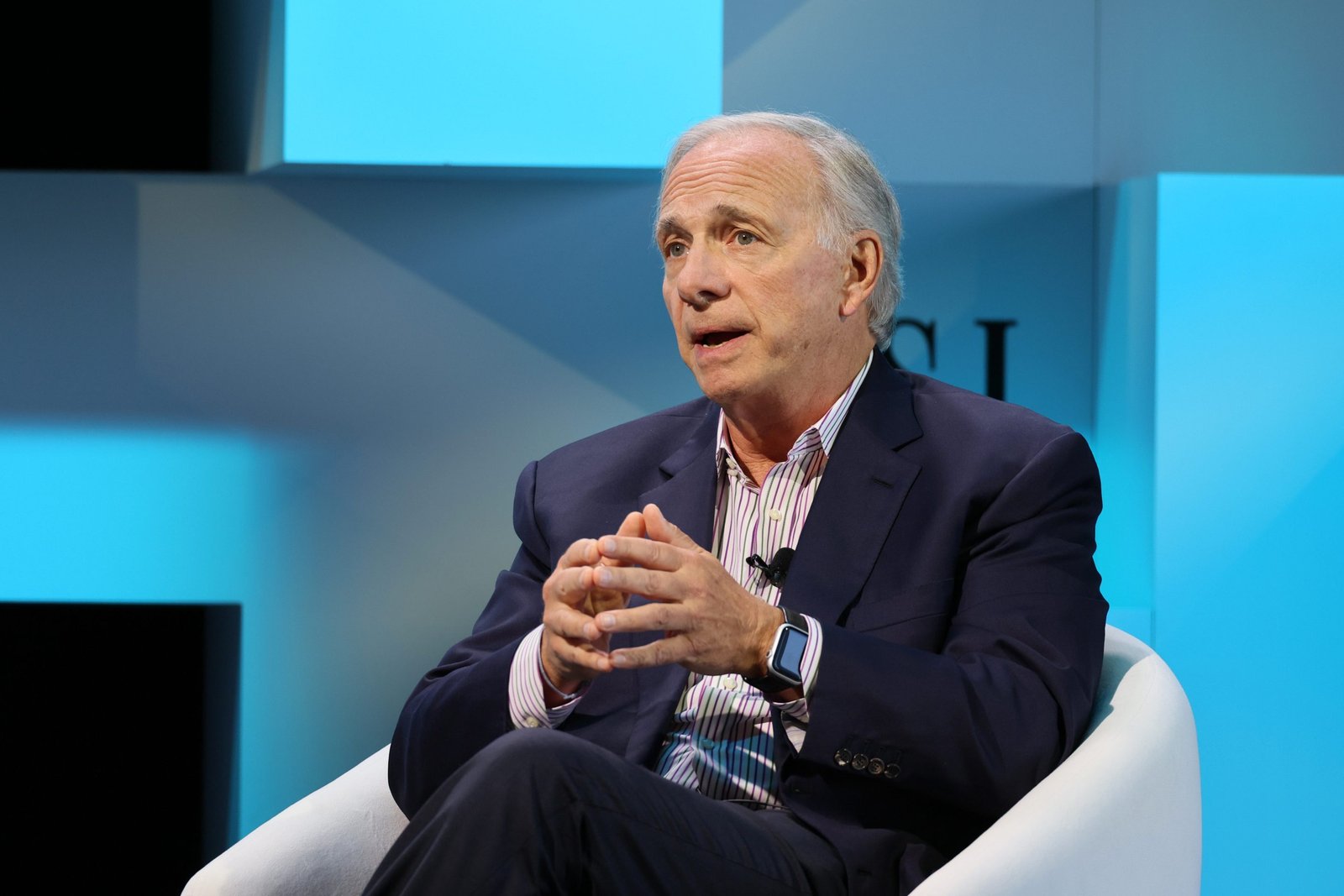
Ray Dalio Urges Investors to Allocate 15% to Gold and Bitcoin Amid Rising US Debt Crisis

Ray Dalio Urges Investors to Allocate 15% to Gold and Bitcoin Amid Rising US Debt Crisis

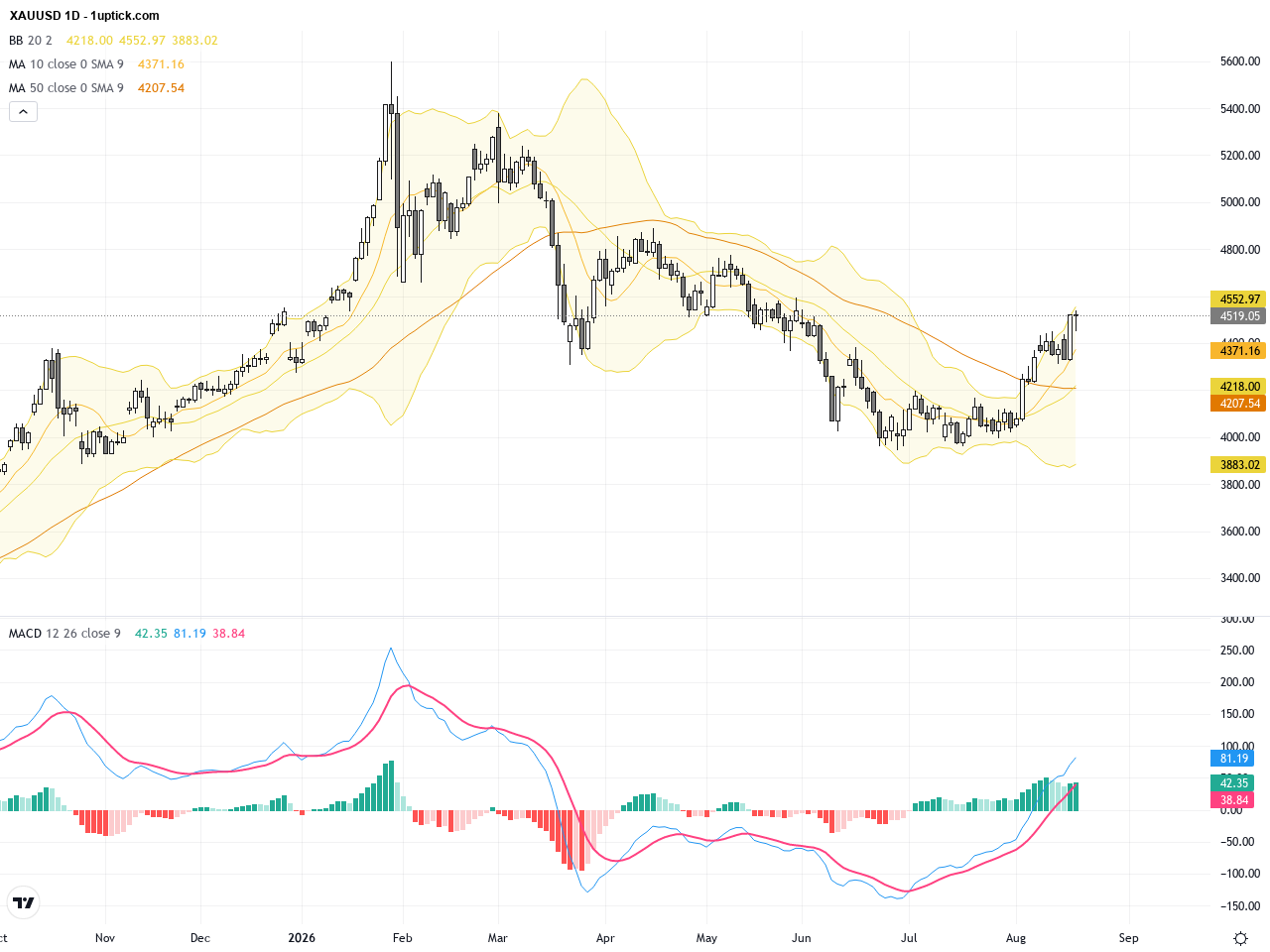
Ray Dalio, founder of Bridgewater Associates, advises investors to allocate **15% of their portfolio to gold and Bitcoin** as a strategic hedge against the rising US debt crisis and potential dollar devaluation. Emphasizing diversification and risk management, Dalio prefers gold but acknowledges Bitcoin’s appeal due to its limited supply and role as an alternative store of value amid fiscal instability. With concerns growing over skyrocketing US government debt and its impact on traditional assets like stocks and bonds, including AI-driven stocks, Dalio underscores the importance of safeguarding portfolios with these safe-haven assets. This measured allocation aims to optimize the return-to-risk ratio while preparing investors for economic uncertainties and a shifting financial landscape.

Bank of Japan Begins Gradual Unwinding of $537 Billion ETF and J-REIT Holdings Signaling Economic Confidence

Bank of Japan Begins Gradual Unwinding of $537 Billion ETF and J-REIT Holdings Signaling Economic Confidence

The Bank of Japan has commenced a gradual unwind of its $537 billion holdings in exchange-traded funds (ETFs) and Japan real estate investment trusts (J-REITs), marking a strategic shift that signals growing confidence in Japan’s economic stability. Following the achievement of a sustainable 2% price stability target, the central bank is now carefully selling these assets to avoid market disruption and losses, underscoring its commitment to a stable financial environment. This phased disposal reflects the Bank’s new monetary policy framework and signals positive economic momentum in Japan.

Federal Reserve Cuts Interest Rates to 4.00%–4.25% in September 2025 Amid Inflation and Labor Market Concerns with More Cuts Projected

Federal Reserve Cuts Interest Rates to 4.00%–4.25% in September 2025 Amid Inflation and Labor Market Concerns with More Cuts Projected

The Federal Reserve lowered interest rates by 0.25 percentage points in September 2025, setting the target range to 4.00%–4.25% to address concerns about inflation and a softening labor market. This rate cut reflects the Fed’s ongoing effort to balance slowing job growth and inflation pressures. The updated Fed projections, shown in the dot plot, suggest the possibility of two additional rate cuts later this year and one more cut in 2026, depending on economic conditions. Market participants are closely watching labor market indicators and inflation trends, as these will influence the Federal Reserve’s future monetary policy decisions and interest rate adjustments. Stay informed on the latest Fed moves to understand their impact on borrowing costs, investments, and the broader economy.

Federal Reserve Cuts Interest Rates for First Time in 2025 Amid Labor Market Weakness and Persistent Inflation

Federal Reserve Cuts Interest Rates for First Time in 2025 Amid Labor Market Weakness and Persistent Inflation

The Federal Reserve cut interest rates by 25 basis points in September 2025, marking its first rate reduction this year amid signs of a weakening labor market and persistent inflation pressures. The benchmark federal funds rate was lowered to a target range of 4% to 4.25%, as policymakers balance slowing job gains and a rising unemployment rate with inflation that remains above the Fed’s 2% target. This move reflects growing concerns about downside risks to employment despite ongoing inflation challenges, highlighting the Fed’s efforts to support economic stability in a complex environment. The decision also underscores the central bank’s cautious approach to monetary policy amid changing economic conditions and elevated price pressures.

America’s K-Shaped Economy in 2025: Understanding the Growing Divide Between Winners and Losers

America’s K-Shaped Economy in 2025: Understanding the Growing Divide Between Winners and Losers

America’s K-shaped economy in 2025 reveals a widening divide between economic winners and losers, where the wealthiest individuals and large corporations experience robust growth while middle- and lower-income groups face stagnation or decline. This split recovery means consumer spending is increasingly supported by the top 20% of earners, fueling stock market gains and corporate profits, while small businesses and workers struggle with limited income growth. The uneven rebound is reshaping economic opportunities, job markets, and social dynamics, highlighting the ongoing challenges of inequality and the divergent paths of recovery across different sectors and demographics. Understanding this K-shaped pattern is crucial for making informed financial decisions and preparing for the evolving labor market and economic landscape in 2025.

Federal Reserve’s September 2025 Rate Cut: Economic Impact, Inflation Outlook, and Future Projections

Federal Reserve’s September 2025 Rate Cut: Economic Impact, Inflation Outlook, and Future Projections

The Federal Reserve announced a 25 basis point cut to the federal funds rate in September 2025, lowering it to a target range of 4.00%–4.25%. This marks the first rate reduction since December and signals the Fed’s response to a cooling labor market and recent inflation trends. Despite modest job growth and a slight uptick in unemployment, inflation accelerated to 2.9% in August, prompting cautious monetary easing. The Fed’s move aims to support economic stability while maintaining flexibility for further rate adjustments, as updated economic projections and a new dot plot indicate potential additional cuts before the end of the year. This policy shift is expected to influence borrowing costs, investment decisions, and inflation outlooks in the coming months.

Consumer Spending in 2025: Trends, Challenges, and Strategies for Business Success

Consumer Spending in 2025: Trends, Challenges, and Strategies for Business Success

Consumer spending in 2025 is shaped by evolving trends, including a strong emphasis on sustainability, with many consumers willing to pay a premium for eco-friendly products, especially among Millennials and Gen Z. Spending continues to grow steadily, driven by these younger cohorts entering peak earning years, despite some caution around discretionary expenses. In the U.S., consumer optimism remains relatively high, supported by low unemployment and steady job growth, yet concerns over inflation and rising prices persist. Businesses that adapt to these trends—focusing on sustainable offerings, transparency, and meeting the demand for convenience—will find strategies for success in a dynamic market environment. Overall, consumer spending is projected to rise modestly, reflecting both positive economic factors and cautious financial behavior.

1 20 21 22 23 24 86
India’s Manufacturing PMI Drops to 56.6 in November as US Tariffs Hit Export Orders
01Dec

India’s Manufacturing PMI Drops to 56.6 in November as US Tariffs Hit Export Orders

India’s manufacturing sector experienced a significant slowdown in November, though it continues to maintain expansionary conditions. The HSBC India Manufacturing PMI eased to 56.6 from October’s 59.2, representing the slowest pace of growth since February. This decline was primarily driven by the sharp impact of US 50% tariffs on exports and the waning effects of […]

UK Chancellor Insists She Can Be Trusted With Britain’s Finances Amid Public Misleading Claims
30Nov

UK Chancellor Insists She Can Be Trusted With Britain’s Finances Amid Public Misleading Claims

UK Chancellor Rachel Reeves has made a strong defense of her trustworthiness in managing Britain’s finances during heated parliamentary exchanges, asserting that she remains credible despite allegations that she misled the public in the lead-up to her latest Budget announcement. The political clash centers on scrutiny of Budget leaks and questions about internal communications and […]

American, Air France, Iberia, and Global Airlines Drive Spain’s Tourism Surge: International Visitor Numbers Climb 5% in 2025
29Nov

American, Air France, Iberia, and Global Airlines Drive Spain’s Tourism Surge: International Visitor Numbers Climb 5% in 2025

Spain is experiencing a remarkable tourism renaissance in 2025, with major carriers including American Airlines, Air France, Iberia, British Airways, Wizz Air, and Vueling playing a central role in driving record visitor numbers. Throughout the first nine months of 2025, Spain welcomed over 55 million international tourists, marking a 5% increase compared to the same […]

USD/JPY Outlook: Tokyo Inflation Signals Keep December BOJ Rate Hike in Play
28Nov

USD/JPY Outlook: Tokyo Inflation Signals Keep December BOJ Rate Hike in Play

The Bank of Japan is facing renewed pressure to tighten monetary policy, and this shift is sending ripples through the USD/JPY market. Recent inflation data from Tokyo and strengthening wage signals are pushing traders to recalibrate their expectations for BOJ rate decisions. Market participants are now significantly increasing their bets on BOJ rate hikes. According […]

Holiday Toy Shopping Gets Tougher: How 30% Tariffs Are Reshaping This Year’s Gift Lists
27Nov

Holiday Toy Shopping Gets Tougher: How 30% Tariffs Are Reshaping This Year’s Gift Lists

This year’s Christmas shopping season is about to get a lot more complicated for families looking to fill their carts with toys. The culprit? A major shift in U.S. trade policy that’s already disrupting the global toy market. The Trump administration has imposed a 30% tariff on imports from China, where the vast majority of […]

Where Does Your UK Tax Go? 2025 Tax Revenue and Government Spending Explained
26Nov

Where Does Your UK Tax Go? 2025 Tax Revenue and Government Spending Explained

The UK government’s latest tax revenue figures show that October 2025 saw a rise to £63.64 billion, up from £63.415 billion in September, marking a new record high. According to the Institute for Fiscal Studies (IFS), total tax revenue for 2023-24 is forecast to reach £950 billion, equivalent to 36.9% of GDP—one of the highest […]

1 20 21 22 23 24 171

1uptick Analytics @

Maximize your profit at ease

Risk Warning​

*Investment involves risk. You may use the information, strategies and trading signals on this website for academic and reference purposes at your own discretion. 1uptick cannot and does not guarantee that any current or future buy or sell comments and messages posted on this website/app will be profitable. Past performance is not necessarily indicative of future performance. It is impossible for 1uptick to make such guarantees and users should not make such assumptions. Readers should seek independent professional advice before executing a transaction. 1uptick will not solicit any subscribers or visitors to execute any transactions, and you are responsible for all executed transactions.

© 2022-25 – 1uptick Analytics all rights reserved.


Risk Warning​

*Investment involves risk. You may use the information, strategies and trading signals on this website for academic and reference purposes at your own discretion. 1uptick cannot and does not guarantee that any current or future buy or sell comments and messages posted on this website/app will be profitable. Past performance is not necessarily indicative of future performance. It is impossible for 1uptick to make such guarantees and users should not make such assumptions. Readers should seek independent professional advice before executing a transaction. 1uptick will not solicit any subscribers or visitors to execute any transactions, and you are responsible for all executed transactions.

© 1uptick Analytics all rights reserved.

Home
Analysis
Calendar
Tools
Signals